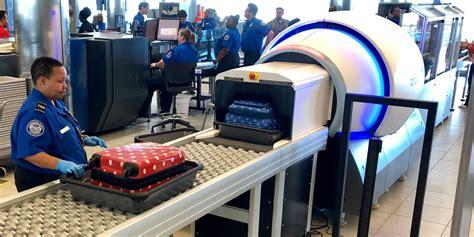
Airport security has changed dramatically in recent years. The days of removing every laptop, tablet, and small electronic device from a carry-on bag are slowly disappearing at many airports. For millions of passengers, the arrival of advanced scanning technology feels like a long-awaited improvement: shorter lines, fewer unpacking rituals, and a smoother journey through the checkpoint.
However, the same technology making airport screening easier for most travelers has created unexpected problems for a smaller group of passengers. The advanced scanners used by Transportation Security Administration are designed to provide better security images, but their powerful imaging systems can affect certain sensitive items. The biggest concern is not modern electronics like laptops or smartphones. It is undeveloped photographic film, a product that has survived the digital revolution but remains popular among photographers and travelers seeking a traditional image style.
The issue highlights an important reality of modern airport security: convenience for one type of traveler can create complications for another. A scanner that allows a business traveler to leave a laptop inside a backpack may require an analog photographer to completely rethink how they pack their camera equipment.
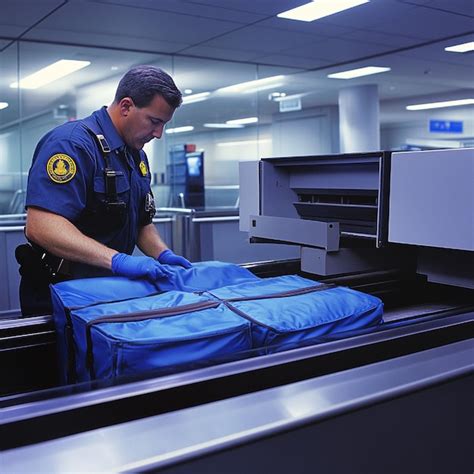
How TSA CT Scanners Changed Airport Security Screening
Traditional airport X-ray machines created two-dimensional images of carry-on bags. While effective, these flat images made it difficult for security officers to understand how objects were arranged inside crowded luggage. Layers of electronics, clothing, and personal items could overlap, forcing passengers to remove larger devices such as laptops for separate inspection.
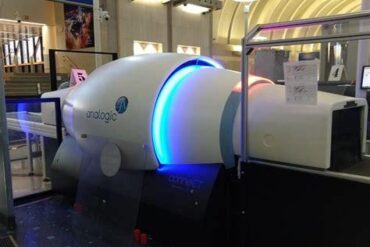
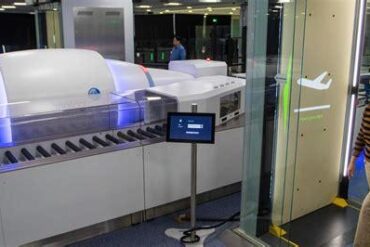
The introduction of computed tomography (CT) scanners changed that process. Instead of producing a simple flat image, CT technology creates a three-dimensional view of the entire bag. Security officers can rotate and examine the contents from different angles, making it easier to identify possible threats without requiring passengers to unpack as many items.
The technology has become a major part of the modernization of airport security checkpoints in the United States. Large airports, including major hubs such as Hartsfield–Jackson Atlanta International Airport, Chicago O’Hare International Airport, and John F. Kennedy International Airport, have introduced CT-based screening lanes.
For ordinary travelers, the advantage is obvious. Bags can often remain closed, laptops can stay inside, and passengers no longer need to carefully arrange electronics near the top of their carry-on. The checkpoint experience becomes faster and less stressful, especially during busy travel periods.
But the improved imaging capability comes from a more sophisticated scanning process. CT scanners use stronger and more detailed imaging methods than older systems, and that difference matters when passengers carry materials that are sensitive to radiation exposure.
Why Airport CT Scanners Are Dangerous for Film Photography
The biggest hidden problem with these scanners affects photographers who still use analog film. Unlike digital cameras, undeveloped film contains chemical materials that react to radiation. Exposure during security screening can alter the film before it is developed, creating unwanted effects that cannot be fixed later.
The damage may appear as fogging, reduced contrast, strange patterns, color shifts, or permanent image degradation. In some cases, photographers may not discover the problem until days or weeks after a trip when the film is finally processed.
The risk applies to several types of photographic materials, including unused film rolls, disposable cameras, instant film, and cameras that already contain undeveloped film. The problem is especially frustrating because the traveler may believe the camera equipment is protected simply because it is inside a carry-on bag.
Digital photography equipment does not face the same concern. Digital cameras, lenses, memory cards, batteries, and laptops are not affected in the same way by these scanners. The issue is specifically related to light-sensitive film materials that have not yet been processed.
This creates an unusual situation at modern security checkpoints. A passenger carrying a high-end laptop worth thousands of dollars may enjoy a faster screening process, while another passenger carrying a few inexpensive rolls of film may need special handling to protect irreplaceable photographs.
Film Travelers Need a Different Airport Security Strategy
For photographers traveling with analog equipment, preparation has become essential. The safest approach is to avoid placing undeveloped film through CT scanners whenever possible.
Travelers should keep film inside their carry-on luggage rather than checked baggage. Although many passengers assume checked luggage is safer because it avoids the passenger screening area, it removes the opportunity to request a manual inspection. Checked bags may also go through powerful screening equipment without the traveler present.
The best packing method is to keep film easily accessible. Instead of placing rolls at the bottom of a suitcase underneath clothing and accessories, photographers should store them near the top of the bag. A clear plastic bag can make inspection easier and reduce delays at the checkpoint.
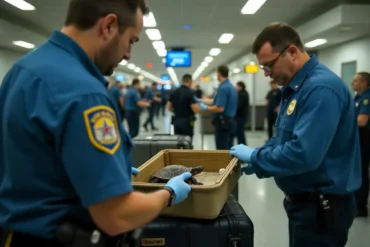
When reaching security, travelers should politely inform the officer that they are carrying undeveloped film and request a hand inspection. The process usually involves a visual inspection and additional security procedures, such as explosive residue testing.
Although a manual inspection takes extra time, it is usually a small inconvenience compared with losing an entire collection of travel photographs. Photographers should also allow additional time before flights because the process may take several minutes depending on airport conditions.
Why Checked Bags Are a Bad Choice for Analog Cameras
Many travelers focus on protecting valuable equipment from theft or damage and naturally choose to keep cameras inside carry-on bags. For film photographers, there is another reason to keep everything in the cabin: control.
Once a checked suitcase disappears behind the airline counter, passengers lose the ability to request special screening procedures. The traveler cannot easily explain that a bag contains sensitive photographic materials or ask for a manual inspection.
This makes carry-on packing more important than ever. Film should remain with the passenger throughout the journey, preferably in a small personal item or easily accessible camera bag.
International travel can make the situation more complicated. While passengers traveling through the United States can request a hand inspection, procedures vary between countries. A photographer connecting through multiple airports may need to make the same request several times during a single journey.
The growth of CT scanners means experienced photographers increasingly plan their airport routine around security technology, not just airline baggage rules.
CT Scanners Also Change How Passengers Pack Carry-On Bags
Film damage is the most discussed issue, but CT scanners have another effect that many passengers overlook: they can make oversized carry-on bags harder to manage.
Airport security lanes have physical scanner openings with fixed dimensions. A suitcase that technically meets an airline’s flexible interpretation of carry-on rules may not physically fit through a CT machine. When that happens, the problem appears before boarding, during security screening.
For years, some travelers relied on soft-sided luggage, expandable bags, or slightly oversized suitcases that could sometimes pass through airport procedures depending on the situation. Airline enforcement could vary based on staff, aircraft type, and flight conditions.
The introduction of CT scanners reduces that flexibility. A bag that cannot enter the scanner cannot continue through that screening lane. In practice, the technology has become an additional checkpoint where passengers must consider size restrictions.
This means travelers now need to pack according to two separate requirements: the airline’s baggage rules and the airport security system’s physical limitations.
The Future of Airport Security Requires Smarter Packing
The arrival of CT scanners represents a major improvement in airport security. For most passengers, the ability to keep laptops and liquids inside bags is a meaningful quality-of-life improvement. It reduces clutter at checkpoints and allows security officers to focus on identifying genuine threats.
However, technology upgrades often create new challenges that are easy to miss. The same advanced system that makes digital travelers more comfortable can create problems for people carrying specialized equipment, particularly analog photographers.
The lesson is not that CT scanners are harmful or unnecessary. Their security benefits are significant. Instead, travelers need to understand that different materials react differently to modern screening technology.
A well-packed carry-on today is not simply organized around convenience. It must consider security procedures, physical scanner limits, and the specific needs of the items being transported.
For most passengers, the adjustment is simple: keep bags reasonably sized and pack important items logically. For film photographers, the adjustment is more important: keep undeveloped film accessible, request hand inspections, and never assume that a protective camera bag can shield sensitive materials from CT scanning.
Airport security is becoming faster and more advanced, but travelers still need to understand the machines they are passing through. The newest technology may remove some old travel frustrations, yet it also creates a new rule for certain passengers: pack for the scanner, not just the flight.