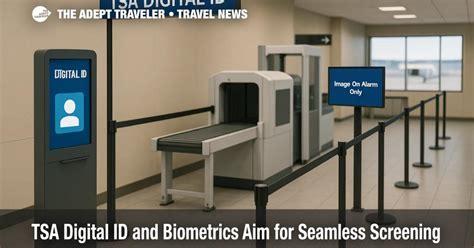
The Transportation Security Administration (TSA) is steadily ushering in a new era of streamlined airport experiences with its digital ID system. Over 250 airports across the United States now allow travelers to scan a digital version of their government-issued identification directly from their smartphones. The initiative aims to improve speed, reduce the hassle of handling physical documents, and add a layer of security that combats forgery.
By enabling digital IDs in the Apple Wallet, Google Wallet, Samsung Wallet, or approved state-issued apps, travelers can simply scan their ID at security checkpoints equipped with TSA’s designated scanners. According to the TSA, this process is entirely optional, encrypted, and promises enhanced protection compared to traditional IDs.
But the core question remains: Does it actually accelerate airport travel, or is this just a well-intentioned tech dream?
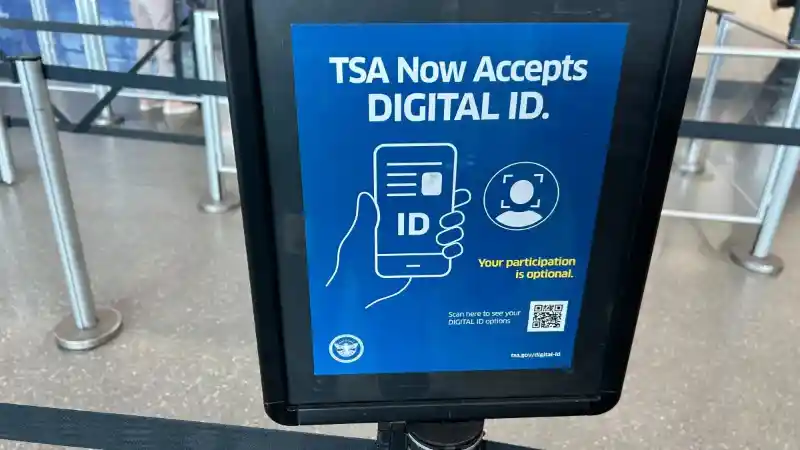
The Promise of Faster Travel Through Digital Efficiency
At first glance, the digital ID model seems like a no-brainer. The system capitalizes on automation, bypassing the delays of manual document checks. No more fumbling through bags to pull out a physical ID while balancing carry-ons and boarding passes. The convenience of a single tap or scan from a familiar device is an appealing proposition.
By scanning digital IDs instead of handing them to TSA officers, the process cuts down on physical exchange, minimizes contact, and ideally speeds up identification confirmation. The system works similarly to mobile movie tickets or digital hotel check-ins, which have already reshaped expectations around service efficiency.
In theory, lines move faster, interaction points are reduced, and agents are freed up to focus on more complex tasks. The use of biometric authentication, like Face ID or fingerprint verification, adds another layer of security while maintaining a hands-off process. In environments where speed, safety, and accuracy are paramount, these features can translate into meaningful time savings for both passengers and staff.
Where Theory Meets Reality: The Bottlenecks
Despite the well-engineered vision, real-world use cases reveal that implementation is far from flawless. While TSA has invested in secure and capable scanning technology, user experiences vary significantly, often determined by technical hiccups or gaps in user knowledge.
First, there are hardware limitations. Not all travelers own newer smartphones that support seamless operation of digital wallets. Older devices may experience lag, making the process as time-consuming—if not more—than pulling out a plastic ID. Moreover, while the apps don’t require an internet connection to function, they do require a charged device. A dead phone battery at the checkpoint renders the digital ID useless.
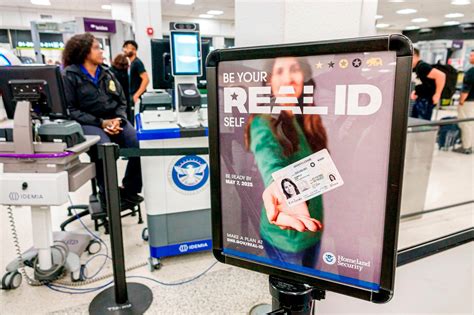
In such cases, TSA agents must fall back on the physical ID, which travelers are still required to carry. This dual-document burden introduces redundancy. Instead of eliminating steps, travelers may find themselves preparing both digital and physical forms of ID just in case one method fails. This preparation time, coupled with the need to learn how to properly set up and use the app, contributes to added friction in the travel process.
The Human Factor: Learning Curves and System Familiarity
A significant bottleneck in this digital migration is user adaptability. Unlike scanning a QR code for a coffee shop loyalty card, TSA’s digital ID protocol involves nuanced steps, sometimes including biometric verification and device authentication prompts. Many users, particularly less tech-savvy travelers, may fumble through the setup or display process.
Agents, too, are learning how to incorporate digital ID verification into their routines. Inconsistencies between airport locations—where some TSA agents may be highly proficient while others are still adapting—contribute to a patchwork experience. Travelers might sail through one checkpoint only to find a longer delay at the next due to unfamiliarity or malfunction.
As a result, what was meant to be a streamlined, automated process often feels like a beta test on a national scale. The digital ID system is only as efficient as its slowest component, be it the scanner, the software, the phone, or the human behind it.
Security and Trust: The Double-Edged Sword
TSA promotes the digital ID as a more secure option due to the difficulty of duplicating or tampering with digital credentials. Embedded within a mobile wallet and often protected by biometric locks, these IDs arguably present fewer opportunities for fraud.
However, security comes with scrutiny. Not all travelers feel comfortable storing their sensitive personal identification within their mobile devices, fearing hacks, data leaks, or privacy invasions. While TSA insists on the integrity of the system, widespread trust is still building.
Until confidence in both security and utility becomes widespread, many travelers will likely default to traditional IDs, slowing adoption rates and diluting the system’s ability to improve overall travel efficiency.
Conclusion: Progress With Caveats
The TSA’s digital ID system represents a bold step toward digitized airport experiences, mirroring the broader push toward contactless, paperless services in nearly every industry. When it works smoothly, it absolutely can reduce processing time and simplify checkpoint navigation. However, current realities—technological dependencies, inconsistent training, and public hesitance—limit the system’s ability to fully deliver on its promises.
Widespread success will require:
- Continued technological refinement
- Standardized agent training across airports
- Better public education on setup and use
- Contingency protocols for tech failures
Until then, TSA’s digital ID remains a promising convenience, but not yet the universal time-saver it aspires to be.