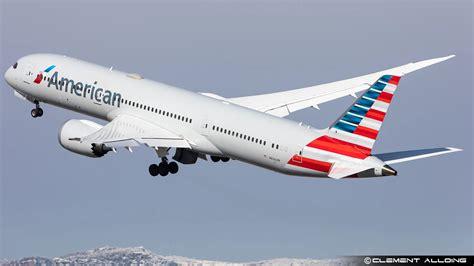
American Airlines, the largest carrier in the United States, is making a calculated retreat from six domestic routes, signaling a strategic recalibration rather than a sweeping network overhaul. Despite operating an average of 6,800+ daily flights and commanding a dominant share of the domestic market, the airline is not immune to rising operational costs—particularly jet fuel prices, which are reshaping route economics across the industry.
Why American Airlines Is Suspending Key Domestic Routes
The decision to suspend these routes between August 5 and October 5 reflects a precise response to seasonal demand fluctuations and cost pressures. While the number—six routes—may appear modest, the implications run deeper. Several of these routes were either recently launched or reinstated, suggesting that even newly introduced services are being scrutinized under tighter financial conditions.
Airlines routinely adjust schedules, but suspensions like these often highlight routes that struggle to achieve sustainable profitability. In this case, the affected routes connect major cities but face intense competition, limited yields, or shifting passenger preferences.
The Full List of Suspended Routes
American Airlines has confirmed the temporary suspension of the following routes:
- Los Angeles (LAX) to Cleveland
- Los Angeles (LAX) to Columbus
- Los Angeles (LAX) to Pittsburgh
- Los Angeles (LAX) to Washington Dulles (IAD)
- Charlotte (CLT) to Ontario (ONT)
- Charlotte (CLT) to Sacramento (SMF)
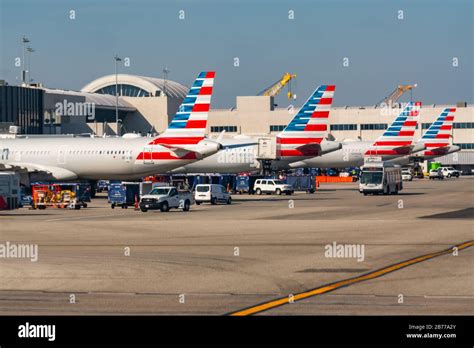
Each of these routes was scheduled to operate daily using Boeing 737 variants or Airbus A321 aircraft, underscoring their intended importance within the network.
A Closer Look at Passenger Demand and Market Size
Collectively, these six routes handled over 1.4 million passengers in 2025, translating to roughly 3,800 daily travelers. While that figure may seem substantial, it includes all passengers—both nonstop and connecting—across all airlines.
The nuance lies in how those passengers are distributed. A significant portion relied on connecting itineraries, which often generate lower margins compared to direct, high-demand traffic. Additionally, about 300,000 travelers used these routes as part of longer journeys, further complicating profitability calculations.
LAX to Washington Dulles: A Case Study in Competitive Pressure
Among the suspended routes, LAX–IAD stands out as the largest market. Nearly 650,000 local passengers traveled between the two cities last year, with an additional 187,000 connecting यात्रers. Yet American Airlines captured only a small fraction of this demand.
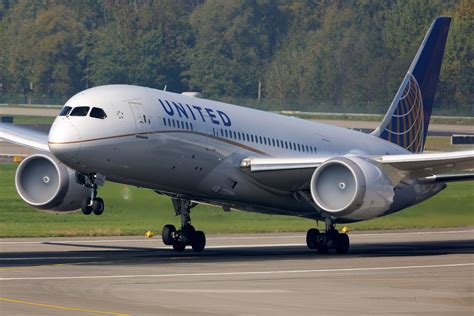
The reason is straightforward: United Airlines dominates this corridor. With both LAX and Dulles serving as major hubs for United, the airline operated up to six daily flights in each direction, many using widebody aircraft like the Boeing 777-200 and 787-9. This capacity advantage translated into an overwhelming 88% market share for United in nonstop traffic.
American’s late entry into this route in April 2026 left it fighting for residual demand, making suspension a pragmatic move rather than a retreat.
The Role of Hub Strategy in Route Viability
American Airlines’ network strength lies in its hubs, particularly Dallas/Fort Worth (DFW) and Miami (MIA). These airports enable efficient connections and high passenger throughput. However, routes that bypass these hubs—such as point-to-point services from LAX—must perform exceptionally well to justify their existence.
This dynamic is evident in the Charlotte to Sacramento route. While it achieved an impressive 88% load factor, only about one-third of passengers were local travelers. The majority connected through Charlotte to other destinations like New York JFK, Orlando, and Philadelphia. Such dependency on connecting traffic can make routes vulnerable when demand softens or costs rise.
Recent Launches Now on Pause
What makes this development particularly notable is the timing. Two of the suspended routes—LAX to Cleveland and LAX to Washington Dulles—were launched as recently as April 2026. Others, like LAX to Columbus and Pittsburgh, had only been reinstated within the past year.
This suggests that American Airlines is aggressively testing and adjusting its network, willing to pause underperforming routes quickly rather than sustain losses. It’s a strategy that prioritizes flexibility over permanence, especially in a volatile economic environment.
What This Means for Travelers and the Industry
For passengers, the immediate impact is reduced nonstop options on these routes, potentially leading to longer यात्रा times or higher fares due to decreased competition. For the industry, it reinforces a broader trend: airlines are becoming increasingly data-driven and agile, constantly reshaping their networks to align with profitability.
American Airlines remains a powerhouse, operating one in four domestic flights in the U.S. Yet even at this scale, precision matters. Every route must justify its place, and in today’s environment, that bar is גבוה.
These suspensions are unlikely to be permanent. Instead, they represent a strategic pause, allowing the airline to reassess demand, optimize resources, and potentially reintroduce services under more favorable conditions.