Automatic Dependent Surveillance–Broadcast (ADS-B) is revolutionizing the way air traffic control (ATC) and aircraft operators track and manage airspace. With increasing demands for safety, capacity, and efficiency, ADS-B Out has emerged as a critical technology that will replace traditional radar systems and reshape the aviation industry. This article will delve into the mechanics of ADS-B Out, its global implementation, benefits, equipment requirements, and the impact on aircraft operators and airspace management.
What is ADS-B Out?
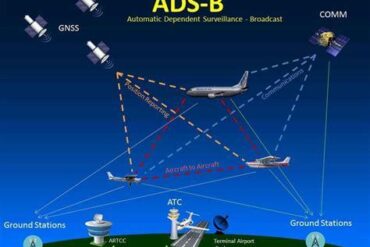
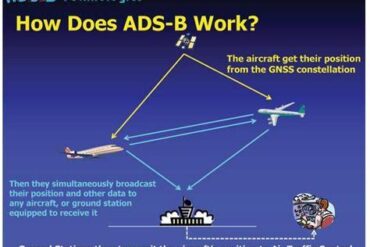
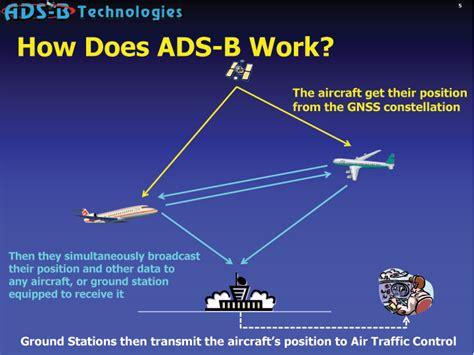
ADS-B Out refers to the transmission of critical aircraft information such as identification, position, altitude, and velocity to ATC and other aircraft. Unlike traditional radar, which relies on ground-based equipment, ADS-B is satellite-based, providing an extremely accurate, three-dimensional view of an aircraft’s location. This information is broadcasted to nearby aircraft and ground systems, allowing for a higher degree of surveillance and collision avoidance.
ADS-B Out is the foundational aspect of Automatic Dependent Surveillance-Broadcast technology. The other side of this communication system is ADS-B In, where an aircraft receives broadcasted information, including aircraft positioning, weather data, and pilot reports. This enables better situational awareness and provides airspace users with data that supports better decision-making.
The Evolution of Aircraft Tracking
Before ADS-B, air traffic control relied heavily on radar systems to track aircraft. While effective, radar has limitations, particularly in remote and oceanic regions. Radar also cannot provide precise position data in real-time, which poses a risk for collision avoidance, especially in densely trafficked airspace.
With ADS-B, aircraft broadcast detailed positioning data continuously, improving the precision and frequency of surveillance. This allows ATC to monitor aircraft more accurately and efficiently, even in regions where radar coverage is poor or unavailable.
ADS-B is part of the NextGen air traffic control modernization efforts in the United States and similar global initiatives. As countries worldwide adopt this technology, ADS-B is set to become the standard method for tracking aircraft across the skies.
How Does ADS-B Out Work?
In the United States, ADS-B-equipped aircraft exchange information on one of two frequencies: 978 MHz or 1090 MHz. The 1090 MHz frequency, known as 1090ES, is the global standard for ADS-B Out and is used by aircraft worldwide. Aircraft operating above 18,000 feet in the U.S. and most other countries will broadcast on the 1090 MHz frequency, which is the same frequency used by Mode S transponders.
The 978 MHz frequency, used by the Universal Access Transceiver (UAT), is primarily for aircraft flying below 18,000 feet. UAT allows for additional services such as graphical weather and traffic information. However, UAT is only available in specific regions like the U.S. and does not replace the 1090 MHz requirement for aircraft operating at higher altitudes.
Key Advantages of ADS-B Out
The transition to ADS-B Out offers numerous advantages for both aircraft operators and air traffic control systems:
- Increased Airspace Capacity and Efficiency: By providing continuous, precise data on aircraft location and movement, ADS-B allows for tighter separation standards, which leads to better utilization of airspace and more efficient flight routing.
- Global Surveillance Coverage: ADS-B Out extends ATC surveillance coverage into regions that were previously underserved by radar, including remote and oceanic areas.
- Enhanced Collision Avoidance: The detailed, real-time data ADS-B provides helps in preventing traffic conflicts, as aircraft can be separated more accurately, reducing the risk of mid-air collisions.
- Lower Operating Costs: ADS-B offers fuel-saving opportunities by optimizing air traffic flow, enabling aircraft to fly more direct routes and avoid delays.
Global Implementation of ADS-B Out
Different countries have different mandates for ADS-B Out equipment, and operators must be aware of regional regulations. Below are some of the key requirements:
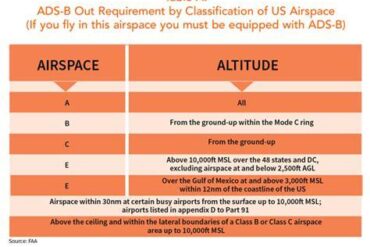
- United States: By January 1, 2020, all aircraft operating in Class A, B, and C airspace and those flying above 10,000 feet must be equipped with ADS-B Out.
- Europe: European regulations require aircraft over 5,700 kg (12,500 lbs.) maximum takeoff weight or a cruise speed above 250 knots to be equipped with ADS-B Out by January 2020.
- Australia: ADS-B Out is mandatory for aircraft flying at or above FL 290 (29,000 feet) starting from December 12, 2013.
These mandates are part of a global push to standardize surveillance systems across international airspace, ensuring the seamless operation of aircraft worldwide.
What Equipment Is Required for ADS-B Out?
To equip an aircraft with ADS-B Out, operators need several key components:
- WAAS-Capable GPS Receiver: This receiver ensures that the aircraft’s position data is accurate enough for ADS-B to function correctly.
- Upgraded Transponder: The aircraft’s transponder needs to be updated to meet ADS-B Out requirements. These upgrades may include new software and hardware components.
- Flight ID: The system must be able to input the aircraft’s flight identification, ensuring it is correctly broadcasted to ATC and other aircraft.
- Avionics Integration: In some aircraft, the integration of ADS-B may require significant upgrades to control heads and data routing hardware.
It’s important to note that not all aircraft will require a complete overhaul of their avionics. Many aircraft already have some of the necessary components, particularly if they are equipped with Mode S transponders.
Costs and Installation Considerations
The costs of upgrading to ADS-B Out can vary widely depending on the aircraft’s age, existing equipment, and the complexity of the installation. It is recommended to schedule the upgrade well in advance, particularly if the aircraft is due for major maintenance, as the process can involve significant wiring changes.
Some aircraft may also need to upgrade their avionics control heads and data routing systems to ensure full compatibility with ADS-B Out standards.
ADS-B Out and Future of Air Traffic Management
The introduction of ADS-B Out is a critical step in modernizing the global aviation system. It promises to reduce reliance on radar, improve air traffic management, and provide better separation standards. With its ability to track aircraft in real-time across vast areas, ADS-B Out will enable safer, more efficient air travel in the years to come.
As more nations and airlines adopt this technology, airspace users can expect to see a significant reduction in delays, more direct flight paths, and enhanced safety in even the most congested airspace.
In conclusion, ADS-B Out is not just a regulatory requirement; it is an opportunity for aviation to become more efficient, safe, and sustainable. By embracing this technology, aircraft operators contribute to a global effort to modernize air traffic control systems and ensure a safer, more connected world of aviation.