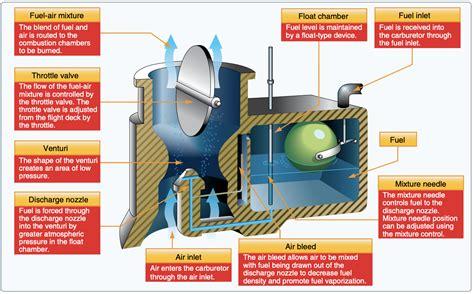
An airplane carburetor is a pivotal yet often misunderstood component of piston-engine aircraft, responsible for performing a delicate balancing act: mixing air and fuel in precise proportions to power the engine efficiently. To comprehend how it functions, we must examine not only the mechanics of fuel-air mixing but also the design of the venturi, the types of carburetors used in aviation, the importance of carburetor heat, and how these elements interact under dynamic flight conditions.
At its core, a carburetor serves as the induction system of an aircraft engine. It pulls in air, mixes it with a metered quantity of fuel, and delivers this combustible mixture to the engine cylinders. The fundamental physics enabling this process hinge on the venturi effect, a principle that exploits pressure differentials to draw fuel into the airstream.
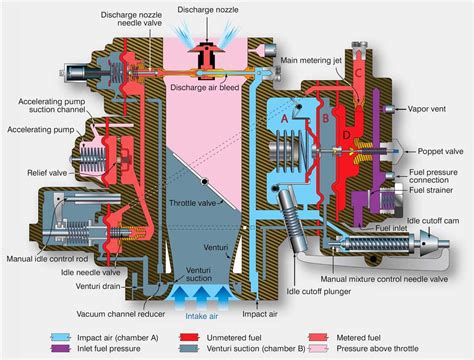
The Venturi: Heart of the Fuel-Air Mixing Process
Inside the carburetor, the venturi is a narrow, constricted section of tubing where incoming air is forced to accelerate. This increase in velocity causes a drop in pressure at the throat of the venturi. In this low-pressure region, fuel is drawn from the main discharge nozzle, atomized, and mixed with the fast-moving air.
As the engine runs, each cylinder undergoes an intake stroke, drawing the mixture in from the carburetor. The amount of fuel pulled through the nozzle is governed by the mixture control lever in the cockpit, allowing the pilot to enrich or lean the mixture based on altitude and engine performance. Meanwhile, the throttle determines how much of this mixture flows into the engine, effectively regulating power output.
This seemingly simple process is an intricate balancing act. If the mixture is too rich (too much fuel), the engine may run rough and inefficient. If too lean (not enough fuel), it risks overheating or detonation, both of which can lead to catastrophic engine failure.
Float-Type vs Pressure-Type Carburetors
Aircraft carburetors generally fall into two categories: float-type and pressure-type. The overwhelming majority of light aircraft utilize float-type systems due to their simplicity and reliability in low-to-mid performance settings.
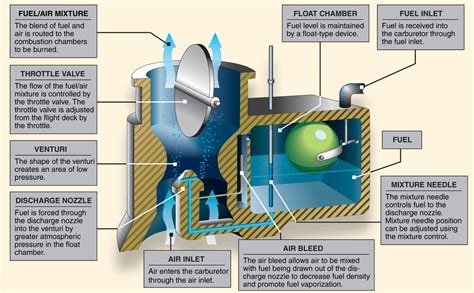
Float-Type Carburetor
A float-type carburetor uses a float chamber to regulate fuel levels. Inside, a small float—similar to that in a toilet tank—rises and falls with the fuel. As fuel is consumed, the float lowers, opening a needle valve that allows more fuel in. When the chamber is full, the float rises, closing the valve and halting fuel flow. This feedback loop maintains a consistent supply of fuel ready to be drawn into the venturi.
This design is mechanically simple but comes with limitations, particularly during inverted flight or abrupt maneuvers, where fuel sloshing may disrupt the float’s balance. For this reason, float-type systems are mostly found on general aviation aircraft and not aerobatic or high-performance models.
Pressure-Type Carburetor
In contrast, a pressure-type carburetor, typically seen in more complex aircraft, uses a fuel pump to deliver pressurized fuel directly to the discharge nozzle. This eliminates the need for a float mechanism and allows for more consistent fuel delivery under varying flight attitudes. However, the complexity and cost of such systems restrict their use to specific aircraft classes.
The Role of Carburetor Heat in Ice Prevention
Despite their essential function, carburetors suffer from a critical vulnerability: carburetor icing. Under the right conditions, ice can form inside the venturi, blocking airflow and starving the engine of its necessary fuel-air mixture.
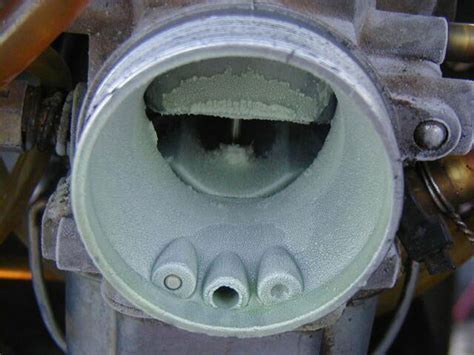
The formation of ice is a byproduct of the pressure and temperature drop within the venturi. As the air accelerates and pressure falls, the temperature can plunge below freezing—even if the outside air temperature is above 32°F (0°C). When combined with high humidity, this creates the ideal scenario for ice to accumulate inside the carburetor throat.
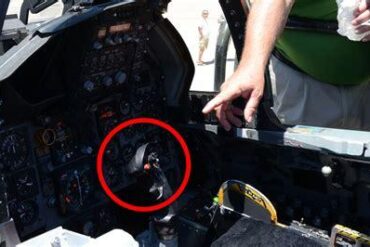
Pilots are trained to recognize the symptoms of carb icing: a gradual drop in engine RPM, followed by rough running. If unaddressed, the condition can escalate into a complete engine failure. To counter this, aircraft equipped with carburetors feature a carburetor heat system.
How Carburetor Heat Works
The carburetor heat system redirects warm air—typically from a shroud surrounding the engine’s exhaust—into the carburetor inlet. This warms the air and venturi, preventing or melting ice. While engaging carb heat causes a slight drop in engine RPM due to the introduction of less dense warm air, this is a small price to pay for avoiding engine failure due to ice.
Carb heat can be used proactively to prevent ice from forming or reactively to melt ice once detected. However, it is generally recommended to apply it before symptoms appear, especially in moist and cool flight conditions.
Why RPM Drops With Carb Heat
When applying carburetor heat, pilots often notice an immediate RPM drop. This phenomenon stems from the thermodynamic reality that warm air is less dense than cool air. As a result, the engine receives less oxygen per volume of air, reducing combustion efficiency and therefore power.
However, this drop is temporary and preferable to a potential loss of engine power due to icing. The RPM may recover slightly after melting any accumulated ice, confirming the system’s effectiveness. As a best practice, many pilots cycle the carb heat every 15–20 minutes during cruise, especially when flying in high-humidity or cool environments.
Carburetor Operation at Altitude and Power Settings
Altitude significantly impacts carburetor performance. As altitude increases, air density decreases, necessitating a leaner fuel-air mixture to maintain combustion efficiency. Pilots must monitor engine performance, exhaust gas temperature (EGT), and other indicators to adjust the mixture accordingly using the mixture control.
Running too rich at altitude wastes fuel and can cause carbon buildup. Running too lean can lead to overheating, engine knocking, or detonation. Mastery of mixture control is a crucial element of pilot proficiency, particularly on long cross-country flights or during climbs through varying atmospheric layers.
Carburetor Design Considerations in Aircraft Engineering
From an engineering standpoint, carburetors must be designed with aerodynamic efficiency, vibration tolerance, and thermal management in mind. They must withstand varying loads, altitudes, and sudden throttle changes. Key considerations include:
- Material durability to resist corrosion from avgas
- Precision in venturi shape to ensure stable fuel draw across RPM ranges
- Drain systems to prevent flooding
- Throttle linkage design for smooth cockpit control response
Despite their complexity, carburetors remain cost-effective and lightweight, making them ideal for certain general aviation platforms, especially trainers and legacy airframes.
Why Fuel Injection Has Supplanted Carburetors in Modern Aircraft
Many newer aircraft, especially those with high-performance or aerobatic capabilities, now rely on fuel-injected engines. These systems eliminate the venturi and float altogether, instead using precision nozzles to inject fuel directly into the intake manifold or cylinders.
Fuel injection offers several advantages over carburetors:
- Greater resistance to icing
- Improved fuel efficiency
- Better altitude compensation
- More uniform distribution of mixture among cylinders
However, fuel-injected systems are more expensive, more complex, and require electric priming systems for cold starts. For this reason, float-type carburetors remain common in flight schools, recreational aircraft, and certain certified platforms.
Conclusion: Mastering Carburetor Knowledge for Safe Flying
Understanding how an airplane carburetor works is more than an academic exercise; it’s a critical safety skill for pilots flying aircraft equipped with these devices. Mastery of the venturi system, proactive use of carb heat, and appropriate mixture adjustments can make the difference between a smooth flight and an unexpected emergency.
While carburetors may seem antiquated in the age of digital avionics and fuel injection, they remain a mainstay in general aviation. Pilots who understand their nuances not only fly more efficiently but do so with the confidence born from mechanical fluency and situational awareness.