Radial engines powered some of the most legendary aircraft in aviation history, combining durability, reliability, and high power output in a uniquely simple yet effective design. Their circular arrangement of cylinders and straightforward mechanical principles made them a dominant force in aviation before jet propulsion reshaped the skies.
The Origins of Radial Engines
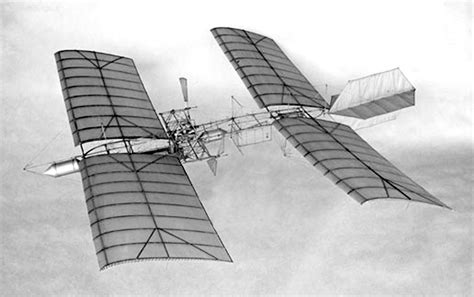
The concept of the radial engine predates even the first successful flights. In the early 1900s, C.M. Manly developed a liquid-cooled, five-cylinder radial engine intended for Samuel Langley’s Aerodrome, planting the seeds for a mechanical revolution. Initially competing against rotary and inline water-cooled engines, radial engines gained favor thanks to their superior efficiency and compact power delivery.
By the end of World War I, radial engines overtook rotary engines, offering better performance and fewer mechanical issues. The interwar period saw radial engines rise to prominence, culminating in their widespread use during World War II, powering bombers like the B-17 Flying Fortress and the B-25 Mitchell.
Evolution of Radial Engines
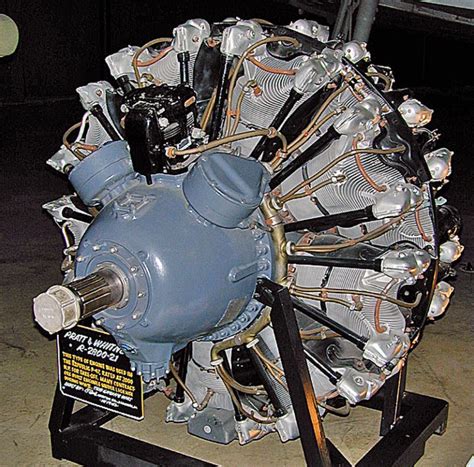
Following their introduction, radial engines underwent rapid technological improvements. Early designs, while reliable, were limited in horsepower. Advances in metallurgy, fuel delivery, and mechanical engineering paved the way for engines like the Pratt & Whitney R-2800 and Wright R-1820, which delivered unprecedented performance.
A significant milestone was the development of twin-row radial engines, where two rows of cylinders were stacked to provide greater power without increasing the engine’s diameter dramatically. This innovation was critical for aircraft like the Boeing B-29 Superfortress, which demanded both range and heavy payload capacity.
How Does a Radial Engine Work?
Despite their distinct layout, radial engines follow the familiar four-stroke cycle: intake, compression, power, and exhaust. However, their unique structure enhances cooling and operational balance.
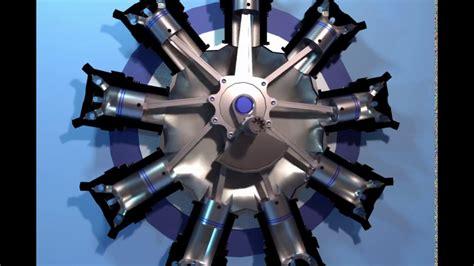
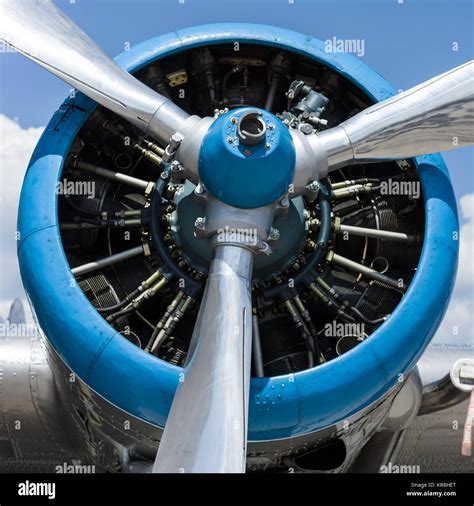
Cylinders are mounted in a circular pattern around a single crankshaft, typically arranged in odd numbers—such as five, seven, or nine cylinders per row—to ensure an even firing order. This circular arrangement is crucial for maintaining smooth operation and minimizing vibration.
At the heart of the design lies the master rod and articulating rod system. One piston, designated as the “master,” connects directly to the crankshaft, while all other pistons attach to the master rod via articulating rods. This arrangement ensures synchronized movement and consistent power delivery.
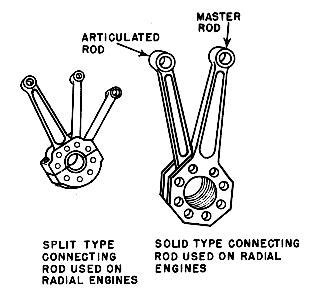
Because radial engines are air-cooled, airflow reaches each cylinder directly, enhancing engine durability. However, cooling becomes more challenging with twin-row designs, often necessitating supplementary cooling innovations.
The Role of the Master Rod and Articulating Rods
The master rod system is integral to a radial engine’s seamless operation. Unlike inline engines where each piston has its own crankshaft connection, the radial’s master rod design reduces mechanical complexity and wear points.
The articulating rods pivot around the master rod, allowing each cylinder to contribute to the rotational force without direct linkage to the crankshaft. This setup is both elegant and highly effective, explaining the radial engine’s legendary reputation for reliability.
Advantages of Radial Engines
Radial engines offered several key benefits that made them ideal for early aviation:
- Air Cooling: Eliminated the need for complex and heavy radiator systems.
- Durability: Fewer moving parts and robust construction reduced mechanical failures.
- Reliability: Even firing order and reduced vibration ensured consistent performance.
- Power-to-Weight Ratio: Produced high horsepower relative to engine weight.
- Ease of Maintenance: Exposed cylinder heads allowed for quick inspections and repairs.
These advantages made radial engines particularly suited for combat and heavy transport aircraft.
Aerodynamic Considerations and Limitations
Despite their strengths, radial engines were not without drawbacks. Their large frontal area significantly increased aerodynamic drag, hampering high-speed performance. Engineers designed streamlined cowlings and cooling fins to mitigate these effects, but the fundamental issue of drag persisted.
Cooling inefficiencies in twin-row configurations also posed problems, requiring careful engineering to prevent overheating of rear cylinders.
Challenges and Decline of Radial Engines
Several factors contributed to the radial engine’s decline:
- Aerodynamic Drag: Streamlined inline engines provided better performance at higher speeds.
- Cooling Complexities: Multi-row engines needed elaborate solutions for adequate cooling.
- Bulk and Weight: Large dimensions made them unsuitable for emerging aircraft designs.
- Mechanical Constraints: Limited valve configurations capped performance potential.
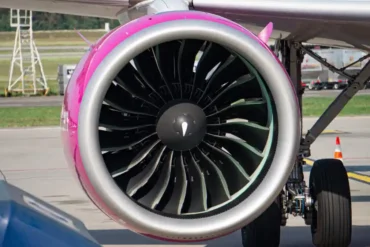
Following World War II, the advent of jet propulsion marked the beginning of the end for radial engines in mainstream aviation. Jet engines offered superior speed, efficiency, and power-to-weight ratios.
The Rise of Turboprop Engines
In the 1950s, turboprop engines emerged, marrying the reliability of jet technology with propeller-driven flight. Turboprops quickly replaced radial engines in many civilian and military applications, offering better aerodynamics, greater speeds, and improved fuel efficiency.
Radial engines transitioned from a mainstay of aviation to a relic, preserved in vintage aircraft, museums, and historical reenactments.
Famous Aircraft Powered by Radial Engines
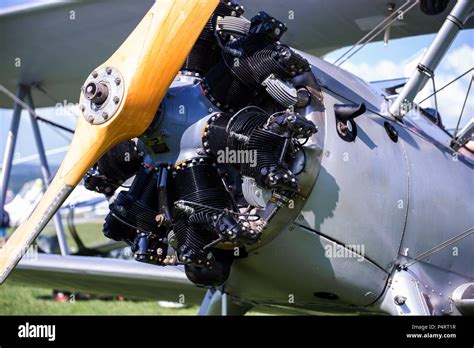
Several iconic aircraft featured radial engines at their core:
- B-17 Flying Fortress: Equipped with four Wright R-1820 Cyclone engines.
- B-25 Mitchell: Powered by Wright R-2600 Twin Cyclones.
- P-47 Thunderbolt: Driven by the Pratt & Whitney R-2800 Double Wasp.
- Douglas DC-3: Civil aviation legend using Wright R-1820 Cyclones.
- Grumman F8F Bearcat: Naval fighter built around powerful radial engines.
These machines showcased the peak performance and versatility of radial powerplants.
The Enduring Legacy of Radial Engines
Though they no longer dominate the skies, radial engines remain revered for their contributions to aviation history. Today, they live on in:
- Restored WWII Aircraft: Preserving historical accuracy and mechanical authenticity.
- Industrial Machinery: Certain applications still favor radial designs for their ruggedness.
- Experimental Aircraft: Enthusiasts continue to build and fly radial-powered planes.
- Automotive Projects: Radial engines are occasionally adapted for motorcycles, custom cars, and display engines.
Their mechanical simplicity, unmistakable sound, and iconic appearance ensure that radial engines will never be forgotten.
Frequently Asked Questions
Why Did Radial Engines Fall Out of Favor?
Radial engines were ultimately replaced by jet engines and advanced piston engines due to aerodynamic inefficiencies, cooling challenges, and the superior performance offered by newer technologies.
How Are Radial Engines Cooled?
Primarily through natural air cooling, with airflow reaching the exposed cylinder heads. Twin-row engines, however, often require additional ducting and baffles to ensure rear cylinders receive sufficient cooling.
Are Radial Engines Still Used Today?
While rare in modern aviation, radial engines can still be found in historical aircraft, restoration projects, and some experimental or homebuilt designs.
Radial engines stand as a testament to early aviation ingenuity—a mechanical marvel that helped define the golden age of flight.