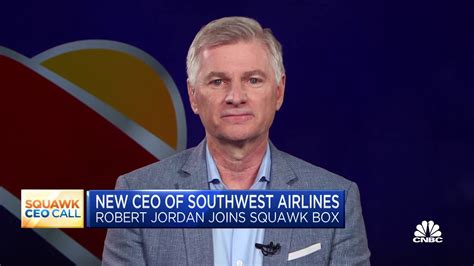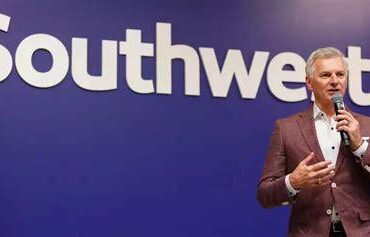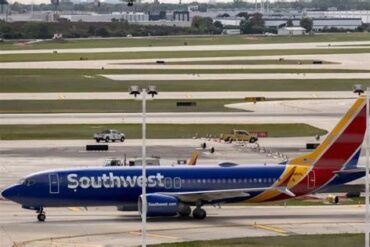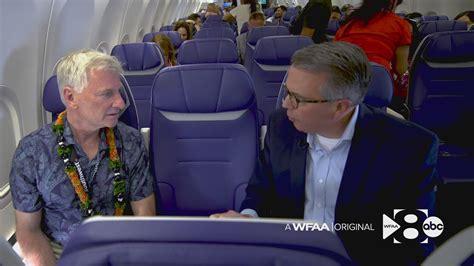
Southwest Airlines, historically celebrated for its low-cost, no-frills approach, may be on the brink of a transformative shift that could redefine the airline’s market positioning. Speaking at the Bernstein 42nd Annual Strategic Decisions Conference in New York, CEO Bob Jordan hinted at a bold vision for the carrier, suggesting that a “true first class” experience could be less than five years away. This revelation signals a seismic change in a brand long synonymous with simplicity, open seating, and budget-friendly fares.
The airline’s trajectory is clear: Southwest intends to broaden its product offering significantly, introducing multiple tiers of passenger experiences that could include premium cabins, advanced seating options, and even a dedicated lounge network. Jordan explained that this would not be a superficial upgrade but a carefully orchestrated expansion, rolled out over four strategic quarters. The first phase is already visible in ongoing changes, including the implementation of basic economy fares, additional seat fees, extra-legroom options, and the optimization of checked baggage policies. These adjustments serve as precursors to a more comprehensive evolution of the Southwest travel experience, ensuring that passengers find fewer reasons to consider competing airlines.
Southwest’s post-pandemic strategy reflects a keen understanding of changing consumer behavior. Passengers increasingly value choice and comfort, a trend that has inspired the airline to explore optional premium products within the cabin. While no formal announcement of long-haul aircraft acquisitions has been made, Jordan’s statements suggest that the airline is exploring long-haul ambitions, with Baltimore/Washington International Thurgood Marshall Airport (BWI) emerging as a potential hub. Already controlling approximately 71% of all operations at BWI, Southwest is well-positioned to leverage this dominance into strategic transatlantic services, potentially connecting travelers to major European destinations such as London, Paris, Rome, and Madrid.
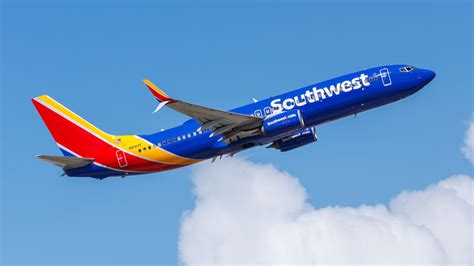
The introduction of a first-class cabin within a Boeing 737 fleet, long considered a challenge due to aircraft size and configuration, represents a pivotal technical and strategic undertaking. Analysts note that Southwest’s exclusive use of 737s has historically limited cabin differentiation, making the prospect of a premium tier even more notable. Achieving this would require careful reconfiguration to balance legroom, seating comfort, and passenger capacity while maintaining the operational efficiencies that define the airline’s business model. Beyond seat upgrades, Jordan envisions a comprehensive passenger ecosystem, potentially including lounges, advanced WiFi connectivity through Starlink, and new service options tailored for higher-spending travelers.
Southwest has already begun laying the groundwork for this premium evolution. Plans are in motion to deploy Starlink satellite connectivity across more than 300 aircraft, positioning the airline to offer uninterrupted internet access that rivals or surpasses current industry standards. Additionally, the airline is developing its first lounge network, with facilities planned for Honolulu, Denver, Nashville, Dallas Love Field, and Austin. The introduction of lounges is particularly significant, reflecting a direct response to passenger demand and aligning Southwest more closely with competitors who have long leveraged premium lounge access to attract business travelers and loyalty members.
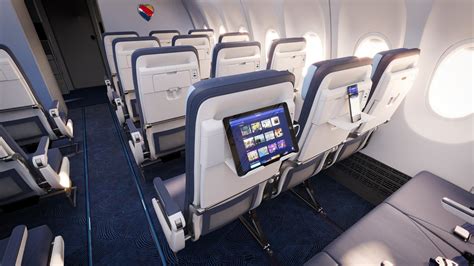
Financial and operational considerations underpin this ambitious strategy. Southwest’s CEO emphasized that expansion is not for ego or superficial market perception, but to provide travelers with fewer reasons to book elsewhere. By introducing multiple cabin classes, enhanced services, and long-haul destinations, the airline aims to increase optionality while maintaining its reputation for affordability and operational reliability. Analysts predict that the introduction of a premium tier could open new revenue streams, attract high-yield passengers, and strengthen loyalty among existing customers who may have previously opted for competitors offering a wider array of amenities.
The airline’s potential entry into long-haul markets, particularly from BWI, could mark a watershed moment in its history. Currently, only British Airways and Icelandair operate long-haul flights from the airport, providing Southwest with a relatively open field to establish a competitive presence in Europe. While fleet expansion decisions and route maps remain speculative, the strategic positioning and market dominance of Southwest at BWI suggest that transatlantic ambitions could become a tangible reality in the coming half-decade.
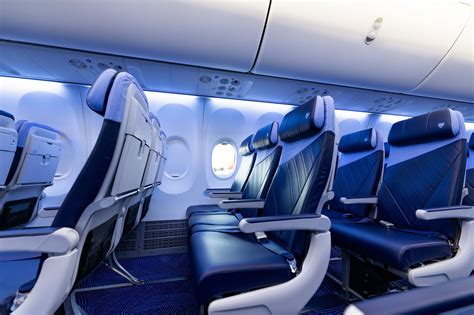
This evolution reflects a broader trend in aviation, where low-cost carriers are gradually adapting to changing passenger expectations, blending traditional cost efficiency with selective luxury offerings. For Southwest, a carrier long defined by its “no-frills” ethos, the integration of first-class cabins, lounges, and long-haul connectivity represents both a strategic gamble and a calculated response to market demand. CEO Bob Jordan’s vision signals a future where Southwest could retain its low-cost DNA while simultaneously appealing to travelers who prioritize comfort, convenience, and choice.
As the airline charts this ambitious course, the next five years will be critical. If executed successfully, Southwest Airlines may emerge as a hybrid powerhouse, combining its legacy of affordable, reliable service with premium experiences typically reserved for full-service carriers. For frequent flyers, the prospect of Southwest first-class travel, complete with enhanced seating, dedicated lounges, and high-speed connectivity, transforms the airline from a domestic favorite into a globally competitive player in both short- and long-haul markets.