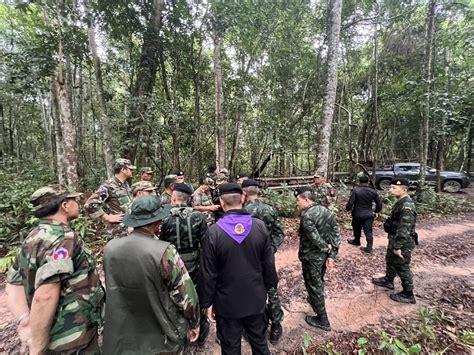
In a dramatic turn of events, Thailand and Cambodia are engulfed in a fierce border conflict that has escalated into artillery exchanges, airstrikes, and tank battles. This renewed violence is a stark manifestation of the long-standing territorial dispute that has historically plagued both nations. As diplomatic ties deteriorate, the international community is urging an immediate ceasefire to avert further casualties and stabilize the region.
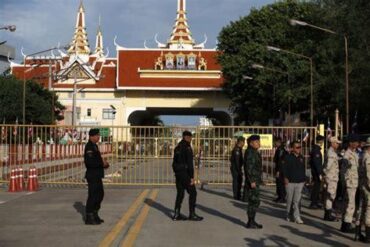
The recent clashes, which intensified on Thursday, have witnessed military confrontations at several locations, including ancient cultural sites that hold significant historical value. Reports indicate that both nations have expelled diplomats, with Thailand accusing Cambodia of targeting civilian infrastructure and Cambodia retaliating by blaming Thailand for instigating the violence. The United Nations Security Council is set to convene an emergency session to address this escalating crisis, reflecting the urgency of the situation.
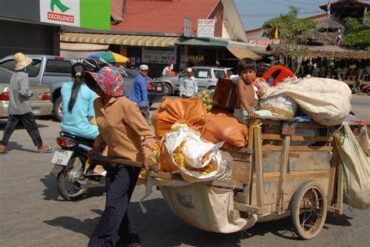
In Samraong, a Cambodian town situated just 20 kilometers from the border, AFP journalists reported hearing distant artillery fire on Friday morning. As violence surged, families in the area rushed to pack their belongings and evacuate, highlighting the immediate impact of military action on civilian lives. This current round of conflict marks a significant escalation in a territorial dispute that has simmered for decades, with a border stretching over 800 kilometers remaining contentious.
A Long-Standing Dispute
The border between Thailand and Cambodia has been a source of contention for many years, with various areas still disputed despite previous attempts at resolution. Skirmishes erupted between 2008 and 2011, resulting in the deaths of at least 28 people and displacing tens of thousands of residents. A temporary ruling by the International Court of Justice in 2013 provided clarity on certain aspects of the border, but the underlying tensions were never fully resolved. The recent violence traces its roots back to May, when a Cambodian soldier was killed during a clash, igniting the current wave of hostilities.
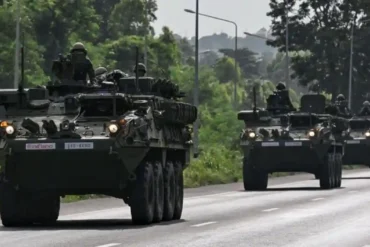
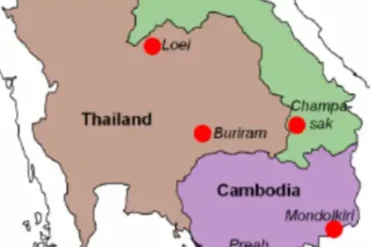
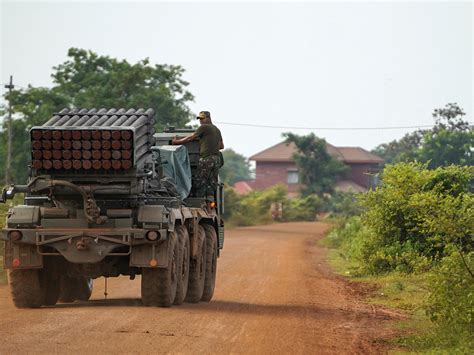
The latest fighting has predominantly focused on six key locations, according to reports from the Thai military. Among the most significant sites are two ancient temples, which are not only cultural landmarks but also strategically important for both nations. Ground forces, supported by tanks, are engaged in fierce battles for control of these crucial areas. Cambodia has reportedly fired rockets and shells into Thai territory, prompting Thailand to deploy F-16 fighter jets in response.
The Latest Clashes
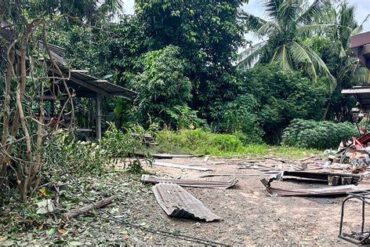
The situation on the ground has become increasingly dire, with both sides exchanging accusations of initiating the conflict. Thailand has claimed that Cambodia has deliberately targeted civilian infrastructure, including a hospital and a petrol station, both of which have been struck by artillery fire. This ongoing exchange of blame has further deepened animosity between the two nations, complicating efforts for a peaceful resolution.
As the fighting continues, it is clear that the stakes are high. The military engagements are not just about territorial control; they symbolize national pride and sovereignty for both countries. The involvement of heavy artillery, tanks, and airstrikes indicates a serious commitment to military posturing, suggesting that both nations are willing to escalate the conflict further.
Diplomatic Repercussions
The implications of this conflict extend beyond the battlefield, leading to severe diplomatic fallout. Following the intensification of hostilities, Thailand expelled the Cambodian ambassador and recalled its own envoy from Phnom Penh. This drastic diplomatic action was triggered by a landmine attack on a Thai military patrol that resulted in injuries to five soldiers. In retaliation, Cambodia downgraded its diplomatic ties to the lowest level, recalling nearly all its diplomats from Thailand and expelling Thai diplomats from its capital.
The international community is closely monitoring the situation, with calls for immediate de-escalation coming from various quarters. The United States has urged both nations to halt the fighting, while France, as Cambodia’s former colonial power, has emphasized the importance of a peaceful resolution to prevent further loss of life. These diplomatic efforts reflect a growing concern that the conflict could spiral out of control, with regional implications that extend beyond the borders of Thailand and Cambodia.
Impact on Civilians
As military operations continue, the toll on civilians becomes increasingly severe. With heavy artillery, tanks, and airstrikes in play, the risks to local populations are profound. Families in towns such as Samraong and surrounding areas have been forced to flee, driven by fear of further escalation and the destruction of their homes. While the conflict primarily involves military forces, the collateral damage to civilian infrastructure underscores the urgent need for a ceasefire.
The ongoing violence serves as a stark reminder of the human cost associated with territorial disputes. Despite being historical and political in nature, these conflicts invariably affect the lives of ordinary citizens, who bear the brunt of military actions and are often caught in the crossfire. The sight of families fleeing their homes paints a harrowing picture of the consequences of failed diplomacy and unresolved territorial claims.
International Efforts and UN Involvement
In light of the escalating conflict, the UN Security Council’s emergency meeting aims to explore avenues for achieving an immediate ceasefire and a long-term resolution to the border issue. Humanitarian aid organizations are on standby, ready to provide assistance to those displaced by the violence. The United Nations and other international bodies have called for both nations to adhere to human rights standards and international law, ensuring that civilians are safeguarded during the ongoing conflict.
This flare-up in the Thailand-Cambodia border dispute highlights the fragility of peace in regions with unresolved territorial issues. Despite previous judicial rulings intended to clarify boundaries, the recurrence of violence signifies the deep-rooted tensions that remain. Factors such as national pride, military strategy, and historical grievances continue to fuel the conflict, making a swift resolution all the more challenging.
As the situation develops, both governments appear to be reinforcing their military presence along the border, signaling a commitment to assert their claims. The global community watches closely, hoping for a rapid resolution to avoid further loss of life and to protect the historic and cultural sites that lie within the contested areas. The coming days will be critical in determining whether diplomacy can prevail over military aggression, or if this conflict will escalate into a larger regional crisis.