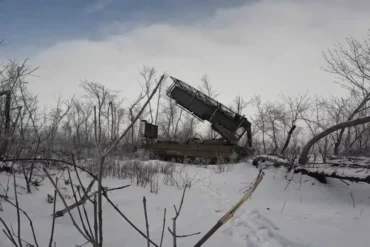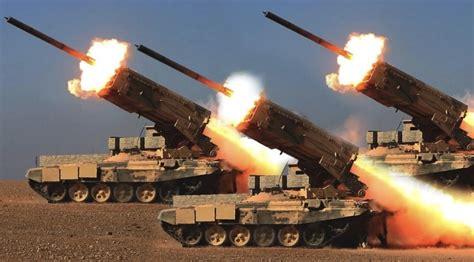
On 13 November 2025, Russia underscored its evolving battlefield strategy with the dispatch of a new batch of TOS-1A Solntsepek heavy flamethrower systems, now equipped with an upgraded anti-drone protection suite. Announced by Uralvagonzavod, a subsidiary of the Rostec State Corporation, this delivery coincided with Radiation, Chemical, and Biological Defense Troops Day, a symbolic nod to the system’s role in high-intensity conflict environments. The integration of dedicated anti-UAV measures reflects a growing shift in tactical priorities, driven by the increasing prevalence of drones in the Ukrainian war theater.
TOS-1A Solntsepek: Thermobaric Firepower in a New Era of Warfare
The TOS-1A Solntsepek is not a traditional flamethrower in the infantry sense. Instead, it is a thermobaric multiple launch rocket system (MLRS) mounted on a T-72 tank chassis, designed for short- to medium-range fire support. Its rockets, armed with thermobaric warheads, generate intense overpressure, making them particularly effective against fortified positions, bunkers, and enclosed enemy structures. A full salvo from the TOS-1A can blanket up to 40,000 square meters, effectively clearing a zone in seconds.
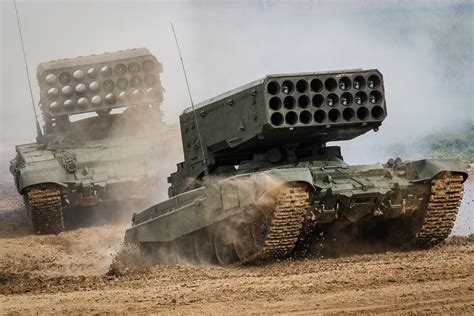
These systems are frequently deployed along multiple axes in Ukraine, targeting not just trenches and strongpoints but also UAV command nodes, assembly points for enemy personnel, and lightly armored vehicles. The system’s capacity to deliver overwhelming firepower within seconds makes it a critical tool for assault units needing rapid suppression of hard targets.
Integration of Anti-Drone Technology: Responding to the UAV Threat
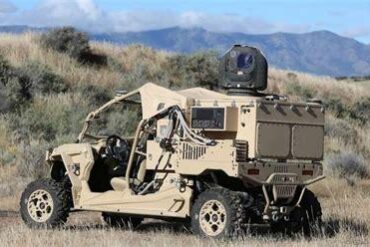
The most significant update in the latest TOS-1A batch is the incorporation of a modernized anti-drone protection suite, designed in response to operational battlefield feedback. Rostec emphasized that the new defensive package was developed based on lessons from combat deployments, indicating that UAVs now represent a primary threat vector for Russian heavy fire support units.
Rather than simply retrofitting existing defenses, the suite is part of an integrated system built to detect, disrupt, or neutralize reconnaissance and attack drones. This development is particularly telling—Russia no longer treats drone threats as incidental but as central to tactical survivability.
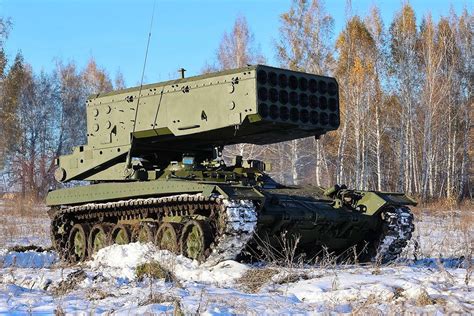
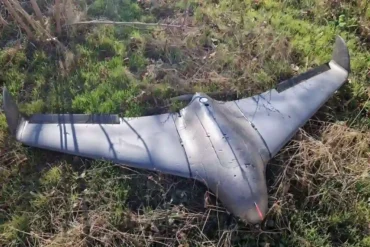
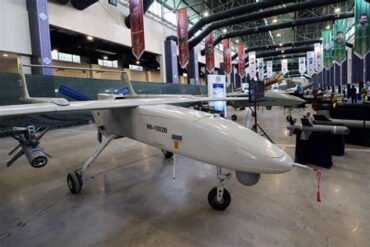
In the Ukrainian conflict, drones have emerged as lethal tools for artillery spotting, precision strikes, and even direct attacks. By embedding drone defense into the TOS-1A, Russian planners aim to ensure that these systems can continue to operate close to the frontline without becoming vulnerable targets.
Combat-Driven Modernization and Strategic Implications
Uralvagonzavod reported that each TOS-1A in the new delivery underwent running and acceptance trials, ensuring full compliance with tactical and technical requirements. What’s particularly noteworthy is the existence of a combat feedback loop: engineers refine the system using direct data from field operations. This real-time adaptation underscores the dynamic nature of modern warfare, where design cycles must keep pace with rapidly changing threat profiles.
The TOS-1A is often referred to by Rostec as having no direct analogues. Its unique mix of tank-grade protection, thermobaric saturation, and short-range mobility fills a niche that bridges armored assault and area denial. Looking forward, a modernized variant based on the T-80 chassis is in late development, promising:
- Extended operational range
- Improved firing accuracy
- Greater automation in launch processes
These enhancements reflect a long-term commitment to maintaining technological parity—or superiority—in combined arms engagements.
Strategic Continuity and Battlefield Endurance
The timing and publicity of this deployment are significant. Far from indicating a drawdown or shift to lighter assets, Russia is doubling down on heavy, localized firepower, tailored to overcome entrenched resistance and high-value targets in a drone-infested battlespace.
By emphasizing both lethal effect and platform survivability, Moscow is signaling a belief that fortified positions and UAV saturation will continue to define the Ukrainian theater. The TOS-1A Solntsepek, now enhanced with anti-drone capability, is being positioned not just as a legacy system but as a keystone in Russia’s near-future tactical doctrine.
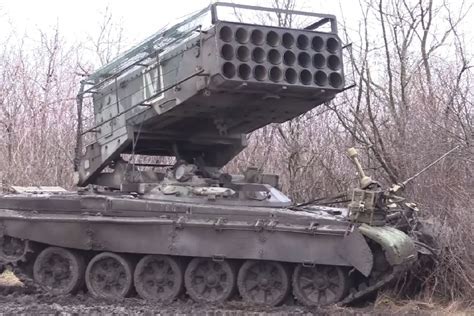
In essence, the Solntsepek is no longer merely a psychological weapon of explosive overpressure; it is becoming a digitally hardened, threat-adaptive platform aligned with the demands of modern multi-domain warfare. The fusion of brute firepower and intelligent defense suggests that Russia is prepared for a prolonged conflict, where adaptation and iteration may matter as much as the initial shock of force.