Wheels Up has emerged as one of the most recognizable names in private aviation, offering tailored air travel experiences through a versatile and extensive fleet. Founded in August 2013 by Kenny Dichter and Bill Allard, Wheels Up set out to revolutionize the private aviation space by democratizing access to private flights for individuals and businesses alike. From its early acquisition of more than 100 Beechcraft King Air 350s for $1.4 billion to its current fleet of high-performance jets, the company has continually evolved to meet the changing demands of the market.
By 2014, the company had over 1,000 members, and by 2018, it had sold more than 5,000 memberships, flying nearly 60,000 hours annually. Despite experiencing consistent growth in fleet and clientele, Wheels Up never posted a profitable year, culminating in its NYSE delisting. The entry of Delta Air Lines, with a $500 million investment for a 95% ownership stake, marked a strategic shift focused on stabilization and future profitability.

The Strategic Role of Fleet Diversity in Private Aviation
Wheels Up’s strategy revolves around owning and operating a diversified fleet to meet a variety of regional and cross-country travel needs. Its emphasis on smaller markets underserved by commercial airlines has driven a demand for light and midsize jets capable of short runway operations. However, the company also caters to high-net-worth clients with a taste for luxury and speed, evident in its inclusion of long-range jets like the Gulfstream G450.
This wide spectrum of aircraft allows Wheels Up to provide flexibility, whether it’s flying executives from Napa to Aspen, or families from Palm Beach to New York City. The fleet is tailored for maximum efficiency, comfort, and availability.
Gulfstream G450: Ultra-Long-Range Performance
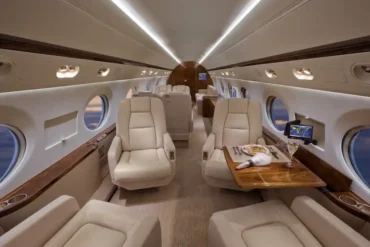
The Gulfstream G450 represents the pinnacle of luxury and range within the Wheels Up fleet. Capable of flying 4,350 nautical miles at Mach 0.85, this jet connects cities like Los Angeles and London nonstop. With seating for 16 passengers, the G450 offers a fully-equipped galley, conference-style seating, and Wi-Fi connectivity, making it ideal for both leisure and business.
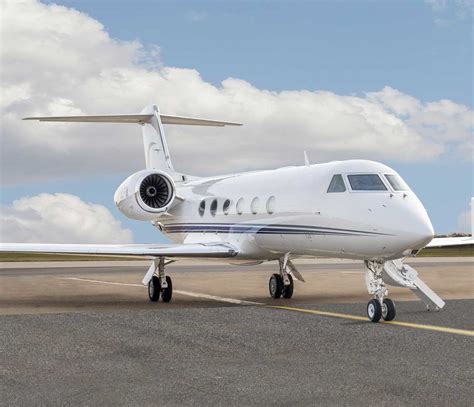
Gulfstream’s advanced avionics suite and glass cockpit, including a Heads-Up Display (HUD), enhance operational safety and pilot situational awareness. Two Rolls-Royce Tay engines power the aircraft, each delivering 11,000 pounds of thrust, while the wing’s contoured design significantly reduces drag for enhanced fuel efficiency.
Citation X: Speed Redefined
Once the fastest business jet in the world, the Cessna Citation X remains a cornerstone of Wheels Up’s fleet. With a cruise speed of 528 knots (608 mph) and a range of over 3,460 nautical miles, the Citation X combines blistering speed with cabin comfort. Wheels Up owns 43 of these aircraft, reflecting their popularity among frequent flyers needing coast-to-coast capability.
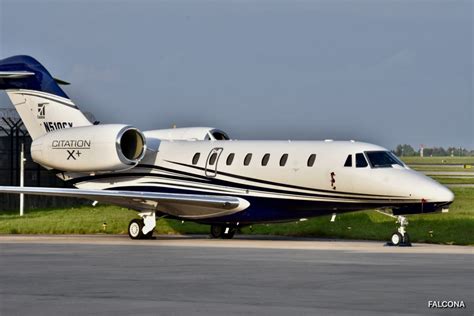
Internally, the aircraft offers plush leather seating, a fully enclosed lavatory, and a spacious baggage compartment accessible in-flight. The aircraft’s Honeywell Primus 2000 EFIS avionics and highly swept wing design give it aerodynamic superiority.
Citation XLS: Versatility in a Midsize Jet
The Citation XLS, with a range of 1,858 nautical miles, bridges the gap between regional convenience and midsize comfort. Wheels Up owns 19 XLS jets, each seating up to 9 passengers. The aircraft borrows structural elements from both the Citation X and Citation V, combining performance with fuel efficiency.
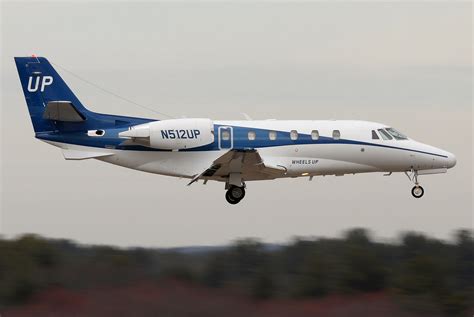
Its cabin configuration includes executive club seating, LED lighting, and a refreshment center. The PW545B engines from Pratt & Whitney offer smooth, quiet operation. The XLS’s Honeywell Primus 1000EFIS suite ensures optimal navigation and in-flight systems control.
Beechcraft Hawker 400XP: Compact and Capable
The Hawker 400XP stands as one of the most utilized light jets in the fleet, with 35 aircraft in service. Originally developed by Mitsubishi and later improved by Beechcraft, the 400XP is known for its rugged reliability and affordability, making it ideal for short-haul business trips.
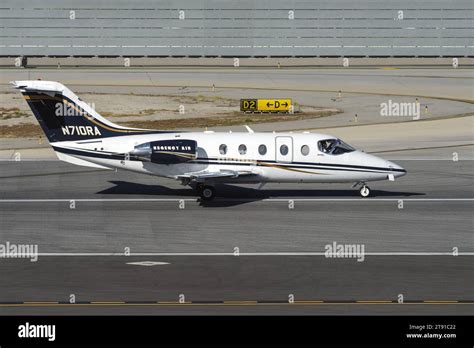
With its supercritical wing design, the aircraft minimizes drag while maximizing performance. Capable of cruising at 447 knots, the Hawker 400XP can handle nine passengers and fly 2,160 nautical miles without refueling. Its all-metal airframe contributes to its low maintenance profile, a crucial factor in frequent-use operations.
Citation CJ3: Efficient Light Jet Travel
For efficient point-to-point travel, the Citation CJ3 is one of the most popular light jets in the fleet. With 19 units in operation, Wheels Up utilizes this jet to access smaller airfields and provide shorter flight times between cities like Santa Fe and Dallas.
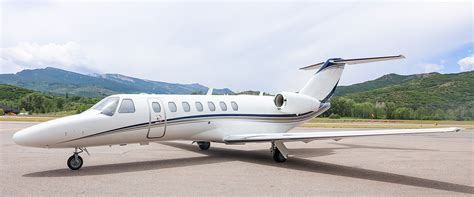
Its FJ44-3A turbofan engines, lightweight materials, and upgraded supercritical wings allow a range of 2,040 nautical miles and speeds approaching 479 mph. The CJ3’s spacious cabin for its class, combined with a modern glass cockpit, ensures both passenger comfort and pilot control.
Beechcraft King Air 350: The Workhorse of Regional Private Aviation
The King Air 350 forms the backbone of Wheels Up’s operations with 59 aircraft in active service. This turboprop is valued for its low operational costs, rugged performance, and regional range. Able to land on short, unpaved runways, the King Air 350 enables Wheels Up to serve clients in remote and rural locations not reachable by jets.
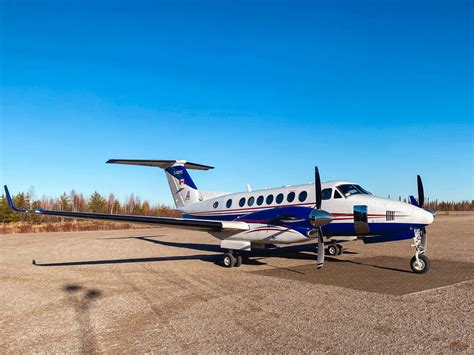
The aircraft’s interior can be outfitted for executive seating or medical configurations. With a cabin length of 17 feet, the plane accommodates 11 passengers, includes club seating, and boasts active noise cancellation technology. The winglets and stretched wingspan enhance fuel efficiency and stability, while the latest variant, the 350i, includes in-flight entertainment and LED cabin lighting.
Financial Challenges and Delta’s Strategic Intervention
Despite its operational scale, Wheels Up faced substantial financial headwinds. Even after going public in 2021 under the ticker $UP, it failed to post positive earnings. Mounting losses and operational inefficiencies led to its delisting from the NYSE, shaking investor confidence.
In 2023, Delta Air Lines stepped in with a $500 million bailout, acquiring a controlling interest and implementing a new management team. Their mission: streamline operations, divest unprofitable segments, and steer the company toward long-term sustainability. By Q1 2024, net losses narrowed to $97 million, down from previous years, signaling early signs of recovery.
Delta’s strategy included shedding the aircraft management and sales businesses, allowing Wheels Up to focus solely on charter operations, where demand remains resilient. This leaner model also helps improve aircraft utilization rates and optimize fleet logistics.
Market Position and Competitive Edge
Wheels Up’s greatest strength lies in its ability to offer both short-range and long-range options through a membership-based model. This hybrid approach ensures a stable revenue stream, customer loyalty, and predictable scheduling patterns, which are essential in the highly competitive private aviation market.
Its early emphasis on digital booking platforms, partnerships with elite travel brands, and expansion into corporate travel have cemented its position as a luxury aviation service provider, rather than a traditional charter operator. The strategic backing from Delta is expected to further deepen its corporate travel synergies, potentially leading to fleet expansion and international routing capabilities.
Future Outlook: Operational Refinement and Customer Retention
With financial restructuring underway and a renewed focus on fleet optimization, Wheels Up is poised to solidify its place among the top players in private aviation. Upcoming improvements are likely to include:
- Upgraded digital user experiences for booking and in-flight services
- Expansion into fractional ownership models
- Fleet modernization, particularly replacing older models with greener, more efficient jets
- Enhanced partnerships with luxury and lifestyle brands
Customer retention will be key, and Wheels Up’s ability to consistently deliver personalized, on-demand air travel experiences will define its success.
Wheels Up has had its turbulence, but with Delta’s stewardship and a razor-sharp focus on core competencies, the company is charting a new flight path—one aimed at profitability, resilience, and industry leadership.