Choosing the right fuel tester is a vital step for any pilot—especially student pilots—who are developing safe and efficient preflight habits. Among the available options, two primary categories dominate the discussion: large fuel testers, such as the widely praised GATS jar, and small fuel testers, which are often seen as affordable and portable alternatives. The decision between the two isn’t trivial, and understanding the real-world implications of each choice can have a meaningful impact on both safety and convenience.
For many student pilots, the question starts with practicality. Why does one tester cost more, and what benefits does it provide beyond basic fuel sampling? The smaller testers often appeal due to their lower price point and compact size, making them a natural choice for beginners. However, they come with limitations that may not be immediately obvious until one begins performing multiple preflight checks across various aircraft types.
Larger Fuel Testers Offer Greater Volume and Reduced Spillage
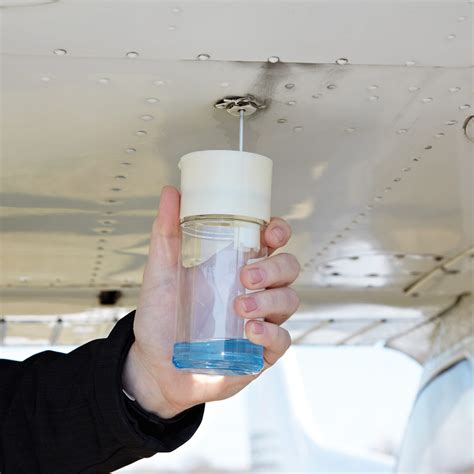
Larger testers, such as the GATS jar, are specifically engineered for usability and cleanliness. They allow pilots to take a larger volume of fuel from each drain port, which improves the visibility of contaminants like water or debris that might otherwise go unnoticed in a narrow tube. This is particularly important on late-model Cessna aircraft which can have upwards of 13 sump drains. Using a small tube in such cases not only slows down the process but also leads to repetitive dumping, refilling, and potential spillage.
Moreover, large testers like the GATS are built with fuel filtration and environmental responsibility in mind. One of the defining features is their ability to separate contaminants from clean 100LL aviation fuel, enabling the pilot to return filtered fuel back into the tank—a crucial benefit at airports that prohibit dumping fuel on the ground. This built-in environmental safeguard positions the GATS jar as a more responsible and future-proof choice for student and professional pilots alike.

Ease of Use and Cleaner Hands
Another frequently cited benefit among Certified Flight Instructors (CFIs) is the cleanliness associated with large testers. As noted in field discussions, the GATS jar significantly reduces fuel leakage onto hands and clothing. The tester’s wide-mouth design and ergonomic structure help avoid awkward angles, making it easier to align the jar with awkwardly placed sumps, especially on low-wing aircraft.
Small Fuel Testers: Portability and Budget-Friendly Appeal
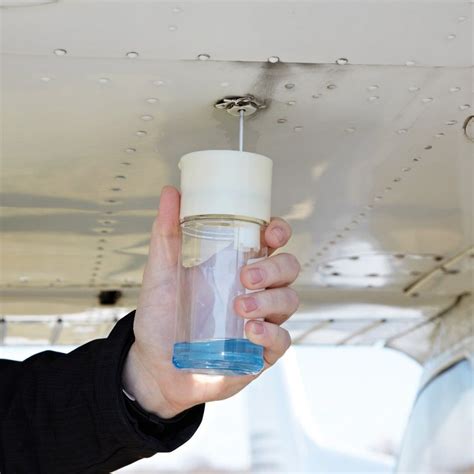
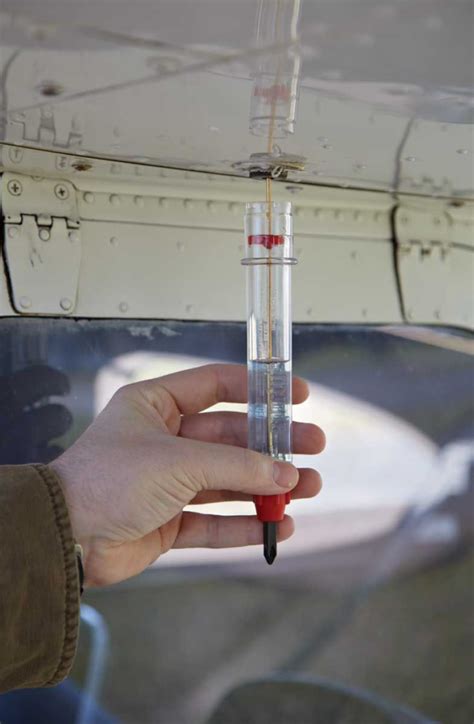
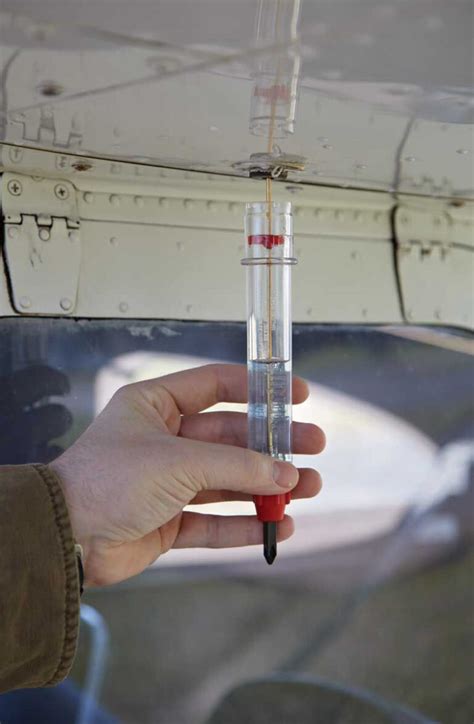
That said, small testers still have their place, especially for new aviators flying simpler aircraft with fewer sump drains. Their lightweight design and ability to fit inside almost any flight bag make them ideal for minimalist setups or backup purposes. If one is only testing 3–4 drains, the small fuel tester can suffice—but pilots should be mindful of their limited fuel capacity, which can make it harder to detect phase separation or suspended contaminants in the fuel sample.
Another drawback is the frequent need to dump and refill the small tester for each drain. Not only does this add time to preflight routines, but it also introduces more opportunities for mess and waste. When flying from airports with fuel disposal restrictions, a small tester can become a liability. There’s also no filtration mechanism in most basic models, which means contaminated fuel must be discarded entirely.
The Environmental Angle: GATS Jar as a Sustainable Choice
Environmental consciousness in aviation continues to grow, and tools like the GATS fuel tester are a response to this evolving demand. The jar includes an internal screen that filters particulates and water, separating them from clean aviation fuel. Once filtered, the fuel is suitable for return to the tank. This simple design innovation reduces fuel waste and aligns with airport policies that forbid dumping fuel onto the tarmac, especially near sensitive drainage systems.
In addition to reducing waste, the GATS jar helps promote safer fuel handling practices by limiting human contact with 100LL, a fuel that contains tetraethyl lead, a toxic compound. Minimizing exposure to this substance is essential, and the GATS jar aids in that effort by reducing splashes and skin contact.
Compatibility and Versatility Across Aircraft Types
Field-tested by a broad cross-section of GA pilots and instructors, the GATS jar has proven compatible with nearly every general aviation aircraft. Users have noted its universal sump probe, which allows the tip to be reversed and adapted for various fuel drain designs. This adaptability makes it a reliable tool for student pilots training on multiple aircraft types, including Piper Archers, Cessna 172s, and Cirrus models.
By contrast, many small testers are only compatible with straight push-type sumps and often require awkward positioning or manual tipping, which increases the risk of spillage or incomplete fuel sampling. For cross-aircraft consistency and seamless preflight operations, the large tester stands out as the more versatile option.
Recommendations from Experienced Pilots and CFIs
The debate has long been settled among seasoned aviators. Certified Flight Instructors (CFIs) across the board recommend the GATS jar for both student and licensed pilots. Their endorsements consistently highlight its durability, cleanliness, and usability, especially in busy flight schools where aircraft have frequent turnover and must undergo quick, yet thorough preflight checks.
One notable comment from a CFI described how using a GATS jar on a Cessna with 13 fuel drains was dramatically less messy and more efficient than cycling a small tube through the process. Another noted its foolproof usability, reducing errors during preflight—a critical point for new pilots learning to build consistent safety habits.
Practical Considerations for Student Pilots
For student pilots, preflight habits form the foundation of aviation safety. Choosing tools that encourage clean, consistent, and environmentally sound practices matters. Although a small tester might seem like a good start due to its price, it often leads to frustration, inefficiency, and eventual replacement. Most students who begin with a small tester end up upgrading to a GATS jar after just a few lessons.
Additionally, many flight schools do not keep fuel testers in their rental aircraft, leaving the responsibility to the pilot. Having a reliable, multi-functional tester like the GATS not only ensures compliance with preflight protocols but also builds a sense of ownership and professionalism early in one’s flying career.
Final Verdict: The GATS Jar Is Worth the Investment
While both types of fuel testers serve a critical role, the large fuel tester—specifically the GATS jar—stands out for its superior capacity, spill control, environmental safety, and cross-aircraft compatibility. It is a small but powerful investment in flight safety, hygiene, and environmental stewardship.
As aviation evolves with stronger environmental regulations and greater emphasis on pilot accountability, tools like the GATS jar are no longer optional—they’re essential components of a responsible preflight toolkit.
Conclusion
In aviation, even the smallest tools can have significant consequences. Whether it’s ensuring clean fuel, keeping your hands chemical-free, or reducing ground spillage, the choice of fuel tester reflects a pilot’s attention to detail and respect for operational safety. The verdict is clear: for those serious about flying, the GATS jar is the superior option—not just in terms of function, but in its broader support of sustainable, efficient aviation practices.