In a seismic shift that has disrupted traditional legal venues for major corporate bankruptcies, Northern Texas has surged ahead of New York and New Jersey, becoming the third most active U.S. jurisdiction for large bankruptcy filings. The Northern District of Texas, encompassing Dallas and Fort Worth, is now at the forefront of corporate financial distress proceedings, handling a growing number of cases involving more than $100 million in assets.
Northern Texas Emerges as a Bankruptcy Powerhouse
According to newly released data from Cornerstone Research, the U.S. Bankruptcy Court for the Northern District of Texas accounted for 7% of all large business bankruptcy cases filed between July 2024 and June 2025. This places it behind only the District of Delaware (40%) and the Southern District of Texas (24%) but ahead of long-established hubs like New York and New Jersey, which each saw just 4% of such filings.
This development marks the first time since 2012 that Northern Texas has broken into the top three most active bankruptcy courts for cases over $100 million. The climb comes amid a broader shift in how and where major U.S. companies are choosing to resolve financial distress, often favoring jurisdictions perceived to have efficient case management and predictable judicial rulings.
Key Bankruptcy Cases Redefining the Jurisdiction
Northern Texas has become a preferred venue for several high-profile and high-asset bankruptcy cases over the past year. Corporations across diverse sectors—from healthcare to retail—have flocked to Dallas and Fort Worth to file for Chapter 11 relief.
Notable filings include:
- Hooters of America, a nationally recognized restaurant chain
- Genesis Healthcare, a major operator of nursing homes
- Omnicare, a pharmacy services provider owned by CVS Health
- Tricolor, a subprime auto lender
These cases, filed in late 2025, indicate the sustained popularity of the jurisdiction even beyond the formal reporting period of the Cornerstone study.
Why Companies Are Choosing Northern Texas
Several converging factors help explain the rising appeal of the Northern District of Texas:
- Judicial Efficiency: Judges in Dallas and Fort Worth are praised for their swift handling of complex cases.
- Favorable Precedents: Companies may benefit from case law that leans toward debtor-friendly interpretations.
- Central Location: Texas’s geographic centrality and strong legal infrastructure make it an attractive forum.
Corporate legal advisors increasingly view the court as a strategic venue, especially when seeking smoother reorganization terms or favorable timelines for restructuring.
Economic Headwinds Driving Bankruptcy Surge
While the venue shift is significant, it’s also a reflection of broader macroeconomic challenges that have pushed even billion-dollar businesses into insolvency. From July 2024 to June 2025, 32 companies with over $1 billion in assets filed for bankruptcy, up from 24 such cases the previous year.
Common reasons cited by these companies include:
- Inflationary Pressures: Rising costs of goods, labor, and transportation impacted profit margins.
- Tariff Shocks: New U.S. trade policies triggered supply chain disruptions.
- Reduced Green Energy Subsidies: Budget cuts at both federal and state levels hit renewable energy firms hard.
- Intensifying Competition: Market saturation and disruptive entrants forced legacy firms to reevaluate operations.
This financial climate has left even robust corporations reeling, contributing to the significant uptick in bankruptcy filings in favorable jurisdictions like Northern Texas.
Billion-Dollar Bankruptcies Redefine the Landscape
The roster of 2024–2025 corporate casualties features some of the most notable players in the U.S. and international markets. Among the largest bankruptcy cases filed within the 12-month window were:
- Sunnova Energy ($13.4 billion in assets): A major solar energy provider affected by subsidy reductions
- Spirit Airlines ($9.5 billion): A budget airline struggling with rising fuel costs and post-pandemic demand shifts
- Wolfspeed ($7.6 billion): A semiconductor manufacturer hit by global supply chain disruptions
- Azul S.A. ($4.5 billion): A Brazilian airline facing currency volatility and international travel slowdowns
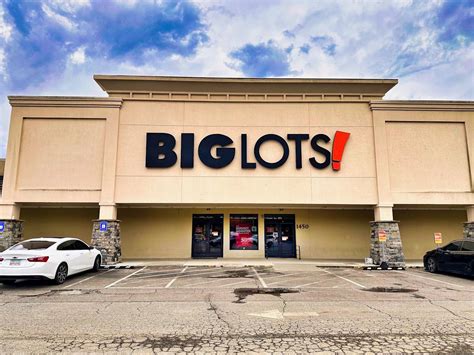
- Big Lots ($3.2 billion): A retail giant unable to cope with inflation and changing consumer behaviors
Industry-Specific Pressures Add to the Crisis
Some sectors faced uniquely punishing dynamics during the 12-month span:
- Green Energy: The bankruptcy of Sunnova was not an isolated event. Other clean energy players like SunPower Corp, Mosaic Sustainable Finance Corp, and Global Clean Energy also filed, citing shrinking incentives and legislative uncertainty.
- Retail: Iconic names like Forever 21 and At Home pointed to a combination of tariff burdens and shifting consumer patterns, especially the growing dominance of e-commerce.
- Auto Supply Chain: Marelli, a global parts supplier, was hit by a mix of tariff issues, EV transition challenges, and raw material inflation.
The diversity of affected industries demonstrates the widespread impact of ongoing economic volatility and policy shifts.
What This Means for Legal Strategy and Jurisdictional Politics
The rise of Northern Texas has implications not just for companies, but also for the politics of forum selection in U.S. bankruptcy law. Venue selection has long been a controversial issue, with critics arguing that companies “forum shop” for favorable judges.
However, defenders of the practice point out that consistent rulings, specialized expertise, and efficient court schedules can actually benefit creditors and debtors alike. The Northern District’s newfound prominence could rekindle debates in Congress about limiting venue flexibility under Chapter 11.
Moreover, as Delaware continues to dominate (handling 40% of large bankruptcies), the spotlight now shifts to how much more competitive Texas courts can become—and whether we might see further judicial innovation in Dallas and Fort Worth.
A Trend That’s Not Slowing Down
The continued use of the Northern District of Texas after June 2025—with cases like Omnicare and Tricolor—suggests that this is not a short-term anomaly. If anything, it reflects an evolving strategy by corporate legal teams seeking a combination of legal predictability, procedural speed, and location-based advantages.
As interest rates remain elevated, inflation persists, and global trade relationships remain strained, businesses large and small may continue to collapse under financial pressure. That collapse is increasingly likely to play out in the courtrooms of Dallas and Fort Worth.
Conclusion: Texas Is More Than Just an Oil State—It’s a Bankruptcy Hub
The ascent of Northern Texas in the corporate bankruptcy world signals a new era in judicial geography. Once overshadowed by the legal dominance of New York and New Jersey, Dallas and Fort Worth are now commanding attention from corporate boards and legal firms nationwide.
If current patterns hold, the courtrooms of the Northern District of Texas could become a permanent fixture on the bankruptcy circuit, shaping the future of corporate restructuring in America.