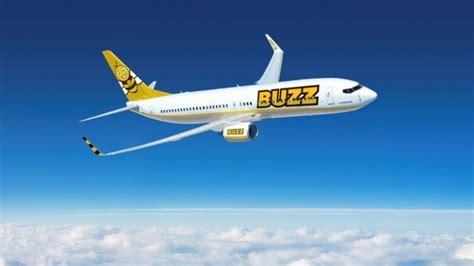
Buzz Airlines, Ryanair’s Polish subsidiary, has carved out a significant role in the European low-cost travel sector. As a key component of Ryanair Holdings, Buzz exemplifies the group’s strategic expansion in Central and Eastern Europe, with a tailored operational model that combines scheduled services and charter operations. Established in 2017 and headquartered in Warsaw, Poland, the airline has grown into a formidable force, operating with 72 aircraft as of March 2025.
Buzz began as Ryanair Sun, a charter-only venture, before evolving into its current form. The transformation was catalyzed by Ryanair’s decision in 2018 to shift Polish operations under the Buzz banner, offering a more localized, agile, and recognizable airline identity in the region.
A Strategic Rebranding from Ryanair Sun to Buzz
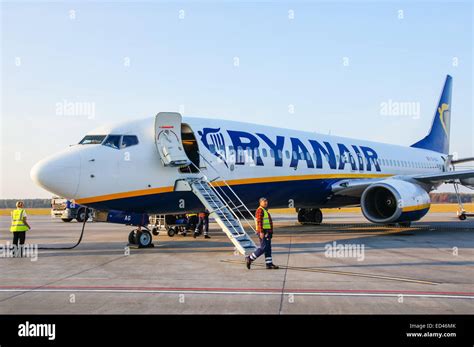
The rebranding in 2019 was not merely cosmetic—it symbolized a deeper strategic shift. While Ryanair Sun served primarily as a backend charter operator, Buzz emerged as a consumer-facing brand with its own identity. This change revived a brand name Ryanair had acquired in 2003 from KLM, once used by a now-defunct UK budget carrier. The new Buzz retained charter services but also began operating scheduled routes on behalf of Ryanair, with bases in Poland, Czechia, and Bulgaria.
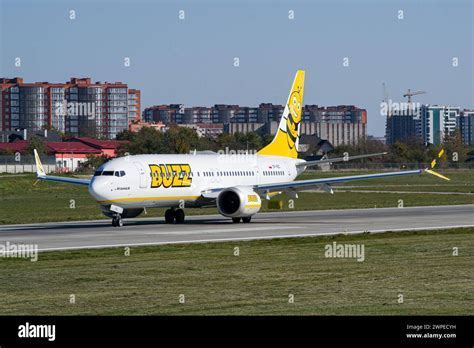
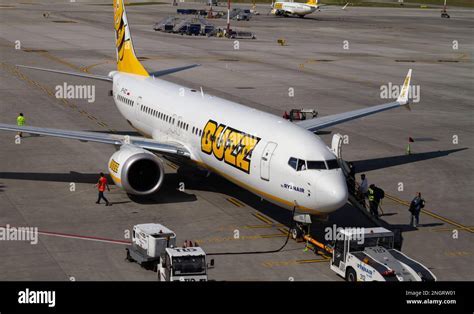
The rebrand allowed Buzz to harness Ryanair’s backend logistics while presenting a localized front to Polish and regional consumers. Buzz’s yellow-and-white livery with playful bumblebee-themed graphics visually reinforced its unique market presence.
Operational Reach and Base Expansion
Buzz maintains a wide geographical footprint with bases in Bratislava, Budapest, Gdańsk, Katowice, Kaunas, Kraków, Poznań, Prague, Riga, Sofia, Vilnius, Warsaw–Modlin, and Wrocław. Its operational hub at Warsaw Chopin Airport plays a crucial role in coordinating fleet movements and crew logistics. These bases provide Buzz with strategic access to key tourism and business hubs, maximizing route flexibility across Central and Eastern Europe.
Initially, Ryanair Sun used existing Ryanair bases at Poznań and Wrocław. However, the rapid scale of operations prompted the creation of new infrastructure at Katowice and Warsaw, underscoring the company’s investment in a robust regional foundation.
Fleet Composition: Built for Efficiency
Buzz’s all-Boeing 737 fleet is optimized for short-to-medium haul operations. As of March 2025, the airline operates:
- 1 Boeing 737-700, seating 148 passengers
- 54 Boeing 737-800s, with a 189-passenger configuration
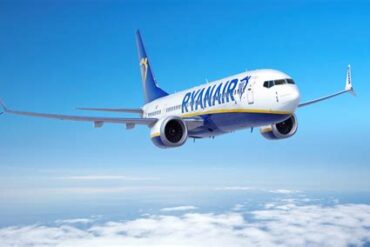
- 17 Boeing 737 MAX 200s, accommodating 197 passengers
This composition allows Buzz to capitalize on fuel efficiency and standardization, reducing maintenance complexity and training costs.
The inclusion of the 737 MAX 200 reflects Ryanair Holdings’ ongoing fleet modernization strategy. These aircraft deliver superior fuel efficiency, extended range, and reduced noise footprints, aligning with both economic and environmental targets.
Leadership and Integration Within Ryanair Holdings
Buzz is led by Michal Kaczmarzyk, a seasoned aviation executive with a vision for expanding the airline’s Central European dominance. Under his leadership, Buzz has seamlessly integrated with other Ryanair Holdings subsidiaries including Ryanair DAC, Ryanair UK, Lauda Europe, and Malta Air.
Buzz acts as a hybrid operator: maintaining charter flights independently while also operating scheduled services under the Ryanair brand. This dual capability grants Ryanair Holdings significant operational elasticity—it can allocate aircraft and crew dynamically between Buzz and its other subsidiaries depending on market demand.
From Charter-Only to Hybrid Carrier: A Business Evolution
Buzz’s transition from charter-only services to a dual-role carrier began in earnest after Ryanair closed its Polish bases in 2019. The move aimed to streamline costs and improve local market adaptability. Buzz took over these bases and inherited several former Ryanair-operated aircraft, which were re-registered under the Polish aviation authority.
This transition not only enhanced efficiency but allowed Buzz to offer a localized customer experience, from in-flight announcements in Polish to region-specific promotions. Despite these changes, flights remain bookable through Ryanair’s global booking engine, maintaining brand consistency.

Charter Market Leadership and Seasonal Adaptability
Buzz continues to play a critical role in the European charter market, operating high-frequency seasonal flights to Mediterranean destinations like Zakynthos, Palma de Mallorca, and Crete. During peak travel months, especially summer, Buzz reallocates aircraft from scheduled routes to charter operations, working with tour operators across Poland and neighboring countries.
This seasonal adaptability is a hallmark of Buzz’s business model. By adjusting route priorities in real time, Buzz optimizes aircraft utilization and load factors. For example, during summer 2018, it operated a dedicated 737-800 (SP-RSA) exclusively for charter routes out of Warsaw Chopin Airport.
Safety, Regulatory Compliance, and Local Certification
Buzz received its air operator’s certificate from the Polish Civil Aviation Authority on 3 April 2018, a key milestone in establishing regulatory independence. All aircraft under Buzz carry Polish registration numbers, further solidifying its identity as a national operator within a multinational holding.
As part of Ryanair Group, Buzz adheres to the highest EASA (European Union Aviation Safety Agency) safety standards. Crew training, maintenance operations, and safety protocols are standardized across the group, ensuring consistency regardless of operating entity.
Competitive Position in Eastern Europe
Buzz plays a central role in Ryanair’s aggressive push into markets traditionally dominated by LOT Polish Airlines, Wizz Air, and other regional players. Ryanair Holdings sees Eastern Europe as a high-growth region, with increasing consumer appetite for affordable air travel.
With Buzz, Ryanair can offer lower fares than national carriers while maintaining a physical and cultural footprint within the region. In Poland, where labor laws, consumer habits, and regulatory environments differ significantly from Western Europe, Buzz offers localized solutions without diluting Ryanair’s brand values.
Digital Connectivity and Passenger Experience
Buzz passengers benefit from Ryanair’s robust digital infrastructure, including mobile check-in, automated bag drop systems, and the “MyRyanair” app. However, Buzz is also exploring the use of localized marketing campaigns and Polish-language interfaces to enhance customer loyalty.
While the in-flight experience is largely identical to other Ryanair subsidiaries—unbundled services, BOB (buy-on-board) menus, and tight turnaround times—Buzz differentiates itself through cultural familiarity and route flexibility.
Future Outlook and Expansion Plans
Buzz is poised for continued growth in fleet size and operational scope. With 72 aircraft currently in service and strong market demand across Central and Eastern Europe, Ryanair Holdings is expected to allocate more Boeing 737 MAX 200s to Buzz. These modern aircraft are critical for maintaining low-cost leadership while meeting environmental targets.
In the coming years, Buzz may also explore expanding its charter network beyond Europe, targeting holiday destinations in North Africa and the Middle East. This move would leverage Poland’s growing outbound tourism market and the broader Schengen Zone’s appetite for winter sun destinations.
Conclusion: Buzz’s Role in the Ryanair Empire
Buzz exemplifies Ryanair’s localized strategy, blending the efficiency of a mega-carrier with the agility of a national airline. Its Polish registration, bilingual services, and strategic hub network provide Ryanair with deep market penetration in one of Europe’s fastest-growing aviation markets. As Buzz continues to expand, its success will hinge on operational efficiency, customer adaptability, and alignment with Ryanair Group’s broader European strategy.
Buzz is not just a rebranded carrier—it is a deliberate, calculated investment in the future of low-cost aviation in Eastern Europe. With a flexible model, a modern fleet, and a growing network, Buzz has already earned its place in Europe’s dynamic aviation landscape.