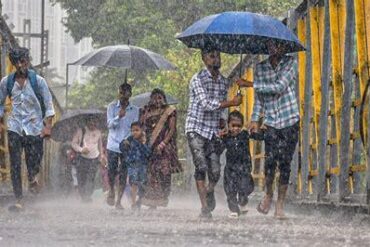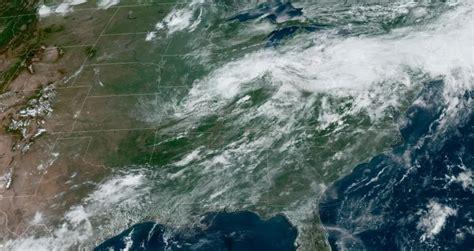
As the Independence Day holiday weekend approaches, a wave of severe storms and torrential rains is set to impact several states in the Northeast, including Maine, Connecticut, Rhode Island, New Hampshire, Pennsylvania, New Jersey, and Vermont. This weather system poses a significant threat to holiday festivities, potentially disrupting fireworks displays, barbecues, and cherished summer traditions. With storm clouds gathering ominously overhead, Maine finds itself joining the ranks of its neighboring states, bracing for powerful winds and relentless rain that could transform highways into treacherous roads. As forecasters issue warnings, residents and travelers alike are left to ponder whether this holiday will be marked by patriotic celebrations or nature’s fury.
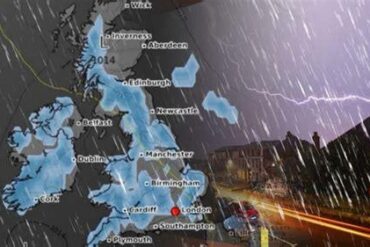
The National Weather Service has alerted citizens to prepare for the worst as weather maps across the region light up with ominous warnings. The storms are expected to bring not only heavy rain but also flashes of lightning and booming thunder, drowning out the sounds of celebration. Millions of travelers, many of whom have waited eagerly for this holiday, now find themselves at the mercy of the elements as they plan their journeys amid the threat of severe weather.
Meteorologists predict that Thursday, July 4th, could become a critical battleground between summer revelry and nature’s wrath. Wind gusts could reach up to 60 mph, and hail may fall with diameters of one inch. These violent storms are expected to coincide cruelly with prime travel hours. In cities like New York, the worst conditions are forecasted from 4 p.m. to 9 p.m., right as millions finish work and set off for their holiday getaways. Philadelphia faces turbulent weather from 4 p.m. to 11 p.m., while Boston braces for storms from 3 p.m. to 9 p.m. Travelers are left with a difficult choice: brave the roads and skies amidst flashing lightning or risk delays and cancellations that could ruin long-awaited plans.
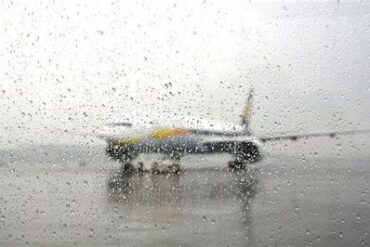
Airports across the Northeast are on high alert as the Federal Aviation Administration (FAA) warns that these storms could disrupt air travel significantly. Major airports such as JFK, LaGuardia, Boston Logan, and Philadelphia International are preparing for possible ground stops due to high winds and lightning strikes, which could lead to canceled flights or planes circling in holding patterns. This Fourth of July travel week is projected to be the busiest in 15 years, with over 300,000 flights scheduled nationwide, amplifying the stakes for airlines already grappling with tight schedules and stretched resources.
Despite the storm warnings, Americans are determined to travel. AAA forecasts that approximately 72.2 million people will journey domestically between June 28 and July 6, marking an increase of 1.7 million from last year and a staggering 7 million more than pre-pandemic levels in 2019. Of those travelers, an unprecedented 61.6 million plan to take to the highways, while 5.84 million will fly. An additional 4.78 million will travel by bus, train, or cruise. The Transportation Security Administration (TSA) is preparing for over 18.5 million passengers passing through airport security during the holiday week, leading to long lines and potential chaos as severe weather threatens to disrupt travel plans further.
The looming storms arrive at a critical juncture for the tourism industry, which has been experiencing a resurgence following the pandemic. Hotels, attractions, and restaurants in key urban centers like New York, Philadelphia, Boston, and along the coastal New England regions rely heavily on Independence Day for essential revenue. However, the uncertainty caused by the impending storms puts this vital income at risk, with many destinations, including Cape Cod, the Jersey Shore, and Maine’s scenic coastlines, bracing for an influx of visitors whose plans are now hanging in the balance.
For travelers, the threat of severe storms is more than just an inconvenience; it jeopardizes long-planned celebrations. Many families have been eagerly anticipating the chance to enjoy fireworks against the backdrop of summer skies, but now face the possibility of needing to reassess their plans. Drivers contend with the dual threats of gridlock and hazardous road conditions. High winds and torrential rain can turn highways into perilous zones, leading to accidents, lengthy delays, and even road closures. Those hoping for a seamless holiday may find themselves stuck in crowded terminals, watching flight boards display the dreaded “delayed” status.
While the Northeast braces for severe weather, the rest of the country presents a mixed weather picture. The West Coast is set to bask in mild, sunny conditions ideal for beach parties and fireworks displays. Texas and Florida may experience scattered storms that could disrupt local travel and outdoor events. Additionally, the Northern Plains are under vigilant watch, as severe storms are possible in certain areas. Fortunately, relief may come just in time for the holiday itself, as forecasts predict highs in the 80s and calmer skies for Independence Day. However, whether the region can recover from Thursday’s disruptions remains uncertain, leaving travelers and tourism leaders anxious about the outcome.
In light of these weather threats, transportation officials urge travelers to remain vigilant. Airlines are advising passengers to frequently check flight statuses, sign up for alerts, and allow extra time at airports. Meanwhile, drivers are encouraged to monitor weather reports closely, keep emergency kits on hand, and plan alternate routes in case of severe storms. The FAA and TSA are mobilizing additional resources to manage the anticipated influx of travelers, but even the best-laid plans may falter under the chaos of fast-moving summer storms.
This year’s Fourth of July stands as a testament to both the resilience of travelers and the unpredictable nature of weather. While Americans yearn for a celebration filled with joy and excitement, the looming storms threaten to challenge the spirit of the holiday. The record-breaking travel rush intensifies every risk, as a single storm cell over a major city like New York or Boston could send ripples across the entire nation’s transportation network, stranding passengers far and wide. Amidst warnings and turbulent skies, the enduring spirit of the Fourth of July prevails, as travelers remain hopeful, dreaming of fireworks lighting up the city skyline and enjoying beachside barbecues under a starlit sky. For now, millions await, eyes fixed on the horizon, pondering whether this holiday will be remembered for its dazzling displays or swept away by the storms that loom ever closer.