Ornithopter drones, which fly by flapping their wings rather than relying on traditional propellers, represent a fascinating leap in aviation technology. While the idea of such flying machines might evoke science fiction, particularly with references in popular works like Dune, these drones are making their way into the real world. But what makes them so appealing, and how do they compare to conventional propeller-driven aircraft? In this article, we will delve deep into the advantages, challenges, and future prospects of ornithopter drones, and explore why they could potentially surpass traditional aircraft in certain applications.
The Basics of Ornithopter Drones
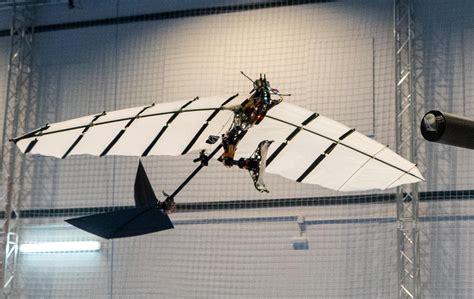
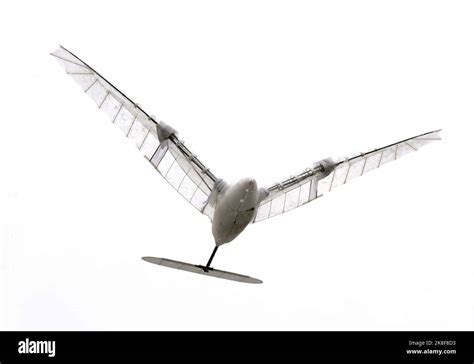
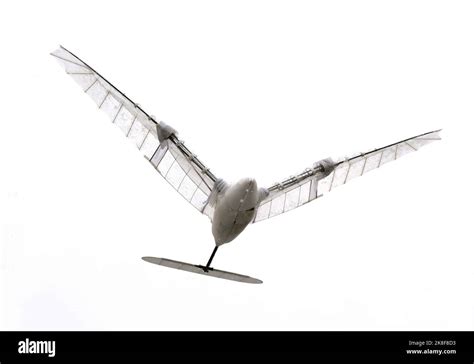
An ornithopter drone operates similarly to a bird in flight, with wings that flap instead of rotating. This biomimicry has sparked significant interest in both the engineering and scientific communities. At the core of an ornithopter is the use of flapping wings, which mimic the natural movement seen in birds and other flying creatures. But unlike birds, the design and mechanics of modern ornithopter drones are tailored for specific technological applications. While propeller-based aircraft depend on a spinning rotor to create thrust, ornithopters harness the power of wing flapping for both propulsion and lift.
Efficiency of Ornithopters Versus Propeller-Driven Aircraft
One of the most intriguing aspects of ornithopter drones is their potential efficiency. The common assumption is that flapping-wing designs would be inherently less efficient than traditional fixed-wing or propeller-driven aircraft. However, emerging studies suggest otherwise. In fact, ornithopters can sometimes be more efficient than conventional propeller-driven planes, particularly in certain conditions. This is largely due to the aerodynamics of flapping wings, which, in some instances, can generate lift more effectively than a propeller system.
In a study on the performance of flapping-wing robots, researchers found that flapping-wing technology could outperform propeller-based propulsion systems in specific applications. This finding challenges traditional beliefs about flight dynamics and opens new possibilities for drone technology, particularly in urban environments or areas where noise and energy consumption are key concerns.
The Advantages of Flapping-Wing Technology
The key benefits of flapping-wing drones extend beyond efficiency. One of the most notable advantages is stability during collisions. Due to the flexible nature of the wings, ornithopters are less likely to suffer catastrophic damage in the event of a crash. This is particularly important in applications such as surveillance or delivery drones, where crashes are a risk, and stability is paramount.
Additionally, flapping wings allow for more precise control and agility in flight. Unlike conventional aircraft, which are constrained by fixed wings or rotating propellers, ornithopters can adjust their wing motion and angle during flight, granting them a higher degree of maneuverability. This is why flapping-wing designs are often considered for Vertical Take-Off and Landing (VTOL) applications, such as urban air mobility solutions or drones capable of hovering in place.
Challenges Faced by Ornithopter Drones
Despite the clear advantages, ornithopter drones also face significant challenges, particularly when it comes to scaling the technology. While small-scale ornithopters can achieve impressive efficiency and agility, scaling this technology for larger aircraft presents several hurdles. The mechanical complexity of flapping wings becomes exponentially more difficult to manage as the size of the drone increases, leading to decreased efficiency and greater wear and tear on components.
Additionally, the power requirements for larger ornithopters are another significant challenge. While small drones might be powered by batteries or lightweight fuel sources, scaling up the technology requires more powerful energy systems. This, in turn, raises questions about the long-term sustainability of ornithopter drones for larger applications.
The Role of Nature in Ornithopter Design
The development of ornithopter drones is heavily influenced by the natural world. Nature has perfected the art of flight, with birds and insects flying with incredible efficiency and agility. Ornithopters, by mimicking these biological principles, seek to recreate the effectiveness of bird flight. This biomimicry is what sets ornithopters apart from traditional aircraft, which rely on principles that, while highly effective, are not as flexible or adaptable as those found in nature.
One example of nature’s influence is the wing shape and motion. Birds don’t simply flap their wings up and down; they use a complex combination of motions, including twisting, folding, and extending, to optimize airflow and generate lift. In a similar way, ornithopter drones are designed with wings that adjust in shape and motion to optimize aerodynamics and energy efficiency.
Applications for Ornithopter Drones
While ornithopter drones are still in the early stages of development, their potential applications are vast and varied. Some of the most exciting possibilities include:
- Urban Air Mobility: As cities become more congested, the demand for efficient and quiet transportation increases. Ornithopters, with their ability to hover and make sharp turns, could serve as a viable alternative to conventional aircraft for urban transportation.
- Surveillance and Monitoring: The ability to fly silently and maneuver in tight spaces makes ornithopters ideal for surveillance applications. Whether for environmental monitoring or security purposes, these drones could outperform traditional helicopters or quadcopters in certain settings.
- Delivery Drones: The rising demand for drone-based delivery services could see ornithopters taking flight. With their ability to take off and land vertically, they could operate in urban environments where traditional delivery vehicles struggle.
Challenges in Scaling Ornithopter Technology
As mentioned earlier, scaling up ornithopter drones presents significant challenges. Mechanical limitations of flapping wings hinder the design of larger drones, as the technology is much more intricate than traditional aircraft. For larger aircraft, the power required to move the wings and generate sufficient thrust increases dramatically, creating challenges for both engineers and designers.
Moreover, maintenance and longevity are also concerns when considering the scaling of ornithopter technology. As the wings flap continuously, the materials used must be durable enough to withstand constant movement and potential fatigue. Until engineers find a way to enhance the longevity of the wing mechanisms, the widespread use of ornithopters for large-scale applications will remain limited.
Future Outlook: Will Ornithopters Replace Traditional Aircraft?
It is clear that ornithopter drones hold exciting potential, but whether they will replace traditional aircraft remains to be seen. As technology advances, the efficiency and practicality of ornithopters will continue to improve. However, their widespread use for large-scale applications like passenger transport or freight delivery will likely take years, if not decades, to develop fully.
In the short term, ornithopter drones may play an essential role in small-scale applications, particularly in urban areas where their agility and quiet operation could offer significant advantages over conventional aircraft. Whether in surveillance, deliveries, or even small-scale air taxis, the future of ornithopter technology is undoubtedly promising.
Conclusion: The Potential of Ornithopter Drones
Ornithopter drones represent a new frontier in aviation technology, offering an alternative to conventional aircraft that could change the way we think about flight. Their unique design, inspired by nature, offers a range of advantages, from improved efficiency to better stability in flight. However, significant challenges remain in terms of scaling, mechanical complexity, and energy requirements.
As research and development continue, we may see ornithopter drones become a significant part of our technological landscape, offering quieter, more efficient, and more agile alternatives to traditional aircraft in various fields. Whether they will ever replace conventional aircraft on a large scale is still uncertain, but their current trajectory suggests that they will play a significant role in the future of aviation technology.