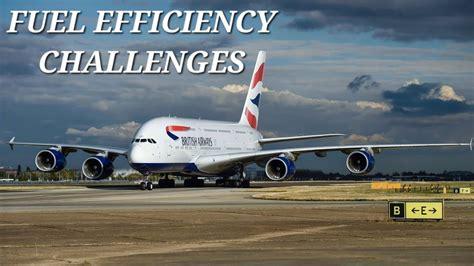
The Airbus A380, often celebrated as the pinnacle of modern passenger aviation, presents a striking paradox in times of global crises. While its sheer size and range suggest immense potential as a cargo carrier, the reality is that this superjumbo fails to deliver when airlines pivot to freight to stay afloat during passenger downturns. This became glaringly evident during the COVID-19 pandemic, where airlines scrambled for alternative revenue streams as passenger flights evaporated almost overnight.
The Passenger-Centric Architecture of the A380
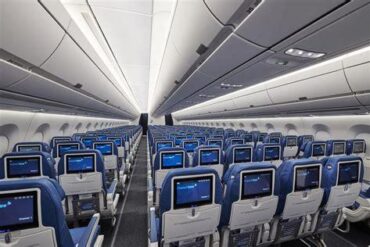
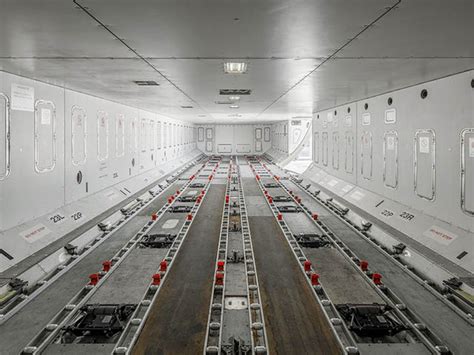
The Airbus A380 was meticulously designed to serve as the ultimate passenger aircraft. Every element, from its double-decker layout to its interior reinforcements, was tailored to maximize human capacity rather than cargo versatility. Its structure lacks the reinforced floors and oversized cargo doors found on dedicated freighters. Instead, the aircraft features curved upper decks and relatively confined cargo holds. These were intended to house standard passenger baggage containers, leaving little room for meaningful freight capacity.
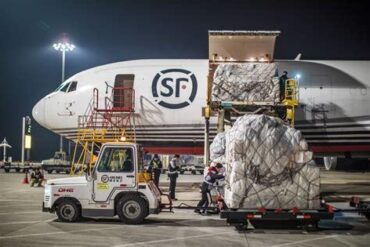
During the pandemic, some airlines removed seats and loaded cargo into cabins, hoping to turn idle aircraft into makeshift freighters. But such modifications quickly revealed the A380’s limitations. Without main-deck cargo doors or roller-floor systems, loading and unloading became cumbersome, labor-intensive, and uneconomical. Furthermore, aviation safety regulations restricted how cargo could be stowed, limiting load heights to maintain fire detection visibility and prevent hazards.
Why the A380 Can’t Be Easily Converted Into a Freighter
Converting a passenger airliner like the A380 into a freighter involves far more than removing seats. A freighter must endure high-density payloads, demanding major structural modifications. The A380’s main and upper decks were simply not built to support these loads. Its double-decker design, unique in commercial aviation, complicates any attempt at conversion. Adding a full-sized main-deck cargo door, reinforcing the floor beams, and integrating enhanced fire suppression systems would require significant redesign — a costly and complex undertaking for an aircraft with a small global fleet.
Moreover, the economics don’t support such a conversion. With only 251 A380s produced, many of which are retired or stored, the business case for developing a dedicated freighter variant is weak. Airlines and logistics companies prefer aircraft that have a large active fleet, established maintenance support, and proven cargo handling systems. Boeing’s 747 and 777 freighters dominate this space precisely because they meet those criteria.
The A380’s Performance Compared to Purpose-Built Freighters
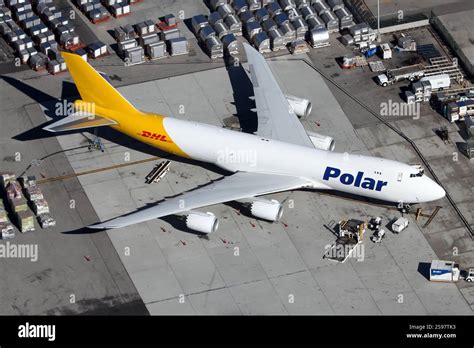
On paper, the A380’s size implies vast cargo capacity, but in practice, it underperforms against purpose-built freighters. Take the Boeing 747-8F, for instance: it boasts a payload capacity of up to 140 metric tonnes, features nose-loading capability for oversized cargo, and integrates seamlessly with global freight infrastructure. The A380 lacks these advantages, offering large volume but poor flexibility and inefficient cargo loading processes.
Even during the height of the COVID crisis, airlines operating the A380 in cabin cargo configurations found the operational costs unsustainable. The Hi Fly A380 experiment illustrates this vividly. Despite removing seats to create additional cargo space, high fuel consumption, manual loading requirements, and slow turnaround times rendered the aircraft impractical for sustained freight operations.
The Shift Toward Twin-Engine Widebodies
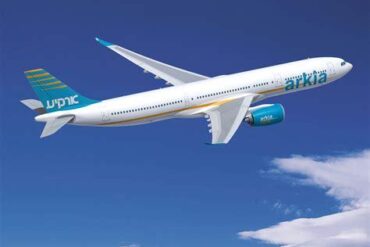
The pandemic accelerated an already evident trend: the air freight market’s preference for twin-engine widebody aircraft. Boeing 777s and Airbus A330s were rapidly repurposed for cargo, thanks to their more manageable size, lower fuel consumption, and compatibility with a broader range of airports. These aircraft could be adapted for freight operations with relative ease, offering fast turnarounds and access to regional hubs that the A380 could never serve efficiently.
By contrast, the A380’s reliance on major international hubs, larger ground handling equipment, and specialized gates made it a logistical challenge. Furthermore, its high fuel burn and larger crew requirements clashed with the industry’s push for cost savings and operational agility during crises.
Why an A380 Freighter Never Materialized
Airbus originally envisioned an A380 freighter variant — the A380-800F — targeting operators like FedEx and UPS. However, the project was scrapped as customer interest waned, and market demand shifted toward more fuel-efficient, flexible twin-engine freighters. The failure of this program underscores the A380’s fundamental misalignment with cargo market needs.
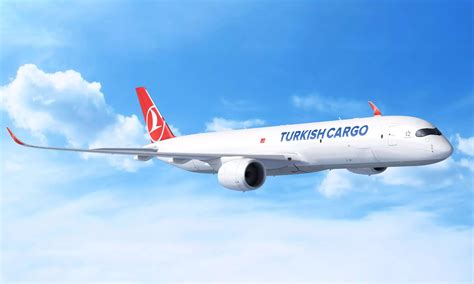
Airbus has since focused on developing the A350F, a freighter that embodies lessons learned from the A380’s shortcomings. With better fuel economy, a modern digital flight deck, and a design tailored for cargo efficiency, the A350F represents the future Airbus sees for its freighter offerings.
Conclusion: The A380’s Legacy as a Passenger Giant
The Airbus A380 will go down in history as an engineering marvel, a symbol of an era that envisioned massive hub-to-hub passenger travel. But its grandeur does not translate into cargo capability. Its structure, operating costs, and airport requirements make it unsuitable for high-demand freight operations — especially during passenger slumps when airlines look to cargo for survival.
Future air cargo strategies will continue to favor aircraft that combine efficiency, flexibility, and airport compatibility — qualities the A380 simply does not possess. The rise of purpose-built freighters like the 777F and A350F highlights a market that values practicality over size, efficiency over spectacle. The A380’s role in aviation history is secure, but its place in air cargo will forever remain marginal.