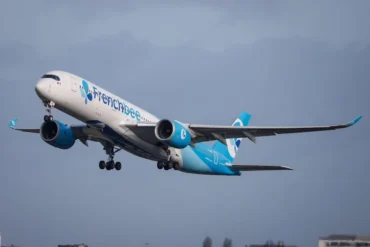
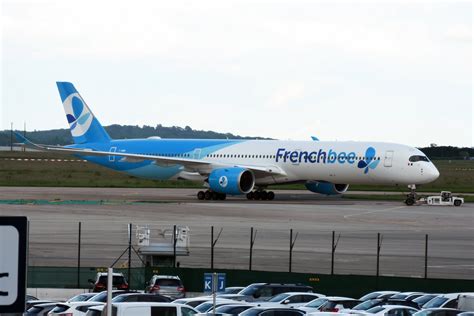
French bee, France’s pioneering low-cost long-haul airline, is making a bold strategic move this summer by introducing the 480-seat Airbus A350-1000 on its popular Paris Orly–Newark route. This deployment marks a milestone for both the carrier and the broader transatlantic aviation market, representing the highest-capacity twinjet aircraft currently operating between Europe and the U.S. at a time when travel demand is surging.
The decision comes as the airline positions itself as a leader in cost-efficient, high-volume transatlantic travel, offering unprecedented seat availability during the industry’s most congested period—July through September. The introduction of the Airbus A350-1000 aligns perfectly with French bee’s model of affordability, volume-driven revenue, and strategic fleet utilization.
A Capacity Game-Changer on the Atlantic
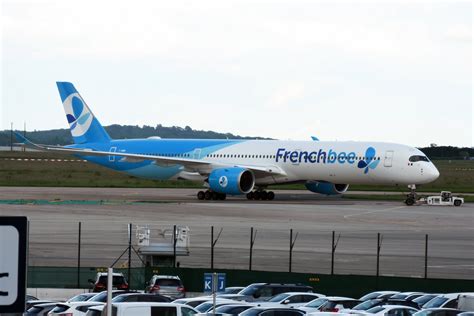
Since its inaugural Newark service began in June 2020, French bee has consistently relied on the 411-seat Airbus A350-900, already among the most spacious in its category. But the stakes have risen. From April 10, 2025, through September 14, 2025, French bee is scaling up with the A350-1000, which boasts a mammoth 480-seat layout—far surpassing the typical 270-seat average for long-haul twinjets.
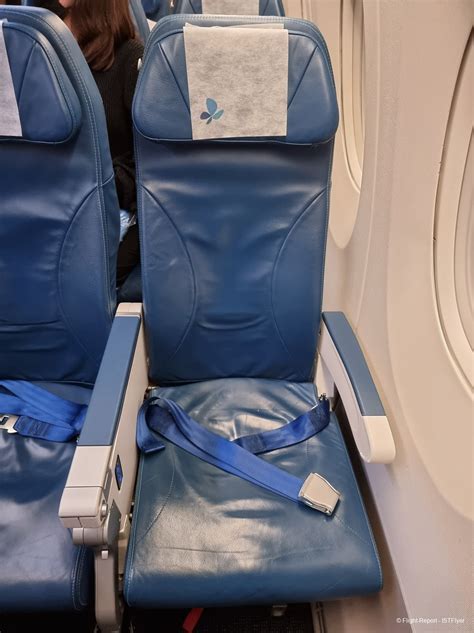
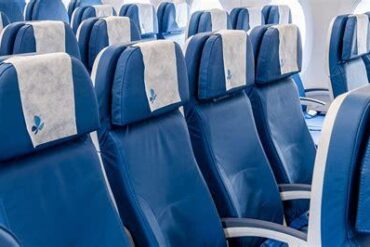
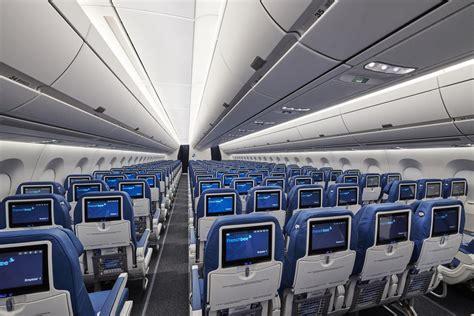
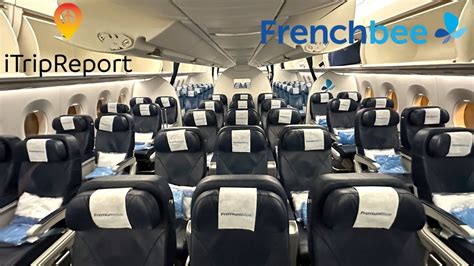
This marks a 76% increase in seat count compared to many competitors, significantly amplifying the carrier’s market share on the Paris-Newark corridor. With 440 economy and 40 premium economy seats, the aircraft operates without a business class section, underscoring the airline’s budget-first philosophy that trades luxury for sheer volume and affordability. For travelers, this means better availability and competitive pricing during peak travel months.
Strategic Scheduling to Maximize Load Factors
French bee has optimized its A350-1000 deployment with a tri-weekly schedule—Fridays, Saturdays, and Sundays—from both Paris Orly and Newark, designed to capture weekend demand and reduce turnaround inefficiencies.
Paris Orly to Newark (Local Time):
- Departure: 18:50
- Arrival: 21:00
Newark to Paris Orly (Local Time):
- Departure: 23:00
- Arrival: 12:15 the following day
The remaining six flights per week will continue to use the A350-900, ensuring both capacity and operational flexibility. This mixed-fleet strategy enables French bee to fine-tune its offering without oversaturating specific days, a method proven effective with last summer’s 85% seat load factor, a remarkable figure in the ultra-competitive transatlantic sector.
Redefining Low-Cost Long-Haul Performance
The Airbus A350-1000’s seat density is unmatched in this market niche. By removing traditional high-revenue business class cabins, French bee is betting on volume-driven profitability. The model is clear: fewer frills, more seats, and lower costs per mile passed on to the passenger.
While critics might argue that skipping business class sacrifices premium margins, French bee’s consistent load factors and competitive fares are proof that travelers are willing to trade lie-flat luxury for reliable, affordable access between the U.S. and Europe. Especially during a travel season characterized by record-breaking demand and capacity constraints.
Newark: French bee’s Transatlantic Launchpad
Newark Liberty International Airport has emerged as a crucial U.S. hub for French bee. By positioning itself in the New York metropolitan area, the airline taps into one of the largest and most diverse transatlantic markets in the world. The decision to increase seat volume here underscores the airline’s intent to entrench its presence in high-demand corridors while leveraging cost-effective French airport bases such as Paris Orly.
This expansion is also a message to legacy competitors: French bee is here to stay, and it’s redefining what long-haul affordability looks like. With Newark’s robust infrastructure, high O&D demand, and competitive airport fees compared to JFK, the move makes both economic and operational sense.
Competitive Landscape: Who Else Flies Big?
French bee’s high-capacity strategy is disruptive, but it isn’t the only airline flying large aircraft across the Atlantic. Several major players are also deploying heavy-duty widebodies on U.S. routes this summer, each with a unique service model:
- Air France Boeing 777-300ER (472 seats): Offering a blend of 14 business, 28 premium economy, and 430 economy seats, this aircraft now serves the New York JFK route as of June 2025. It caters to a broader clientele, including premium travelers.
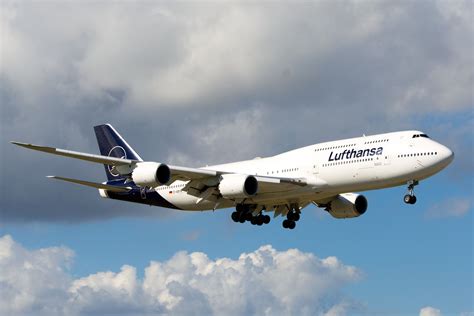
- Lufthansa Boeing 747-8i (364 seats): Operates on the Frankfurt–Newark route, delivering a premium configuration with 8 first, 80 business, 32 premium economy, and 244 economy seats. A go-to for high-end travelers seeking exclusivity.
- United Airlines 777-300ER and 777-200s: United leverages these workhorses on routes from Newark to San Francisco, Los Angeles, Rome, Frankfurt, and Dubai, offering capacities ranging from 350 to 364 seats. United’s use of these aircraft supports its dominant domestic and international network.
Aircraft Capacities at Newark This Summer
| Route | Airline | Aircraft Type | Seats |
|---|---|---|---|
| Paris Orly | French bee | Airbus A350-1000 | 480 |
| Paris Orly | French bee | Airbus A350-900 | 414 |
| Los Angeles | United Airlines | Boeing 777-200 | 364 |
| San Francisco | United Airlines | Boeing 777-200 | 364 |
| Frankfurt | Lufthansa | Boeing 747-8i | 364 |
| Dubai, Frankfurt, Rome | United Airlines | Boeing 777-300ER | 350 |
The Rise of High-Density Twinjet Travel
The 2025 summer schedule signals a transition toward high-density twinjet operations for transatlantic carriers. Airlines like French bee are proving that capacity and affordability can coexist at scale, thanks to next-generation aircraft like the A350-1000, which combine fuel efficiency, extended range, and generous payload capacities.
As fuel prices fluctuate and labor costs rise, airlines are pressured to reduce per-seat costs. The solution? Bigger planes with leaner configurations. The A350-1000 offers a perfect blend: long-range reach, high capacity, and operational efficiency. With a smaller carbon footprint than four-engine counterparts, it’s also better aligned with sustainability goals.
Future Outlook: Will the A350-1000 Stay Beyond Summer?
While the current deployment is officially limited to April through mid-September, industry insiders speculate that French bee may extend or even permanently integrate the A350-1000 into its Newark service. Much will depend on sustained load factors, yield management results, and ongoing demand trends into Q4 2025 and early 2026.
The airline’s fleet flexibility—shuffling between A350-900 and A350-1000—offers the adaptability needed in an ever-volatile air travel industry. If forward bookings remain strong and operational performance holds steady, there’s every incentive to maintain or even grow the A350-1000’s role within French bee’s network.
Conclusion: Disruption at 35,000 Feet
French bee’s launch of the 480-seat A350-1000 on the Newark–Paris route is more than just a seasonal upgrade. It represents a paradigm shift in long-haul travel strategy: prioritizing scale, simplicity, and affordability over luxury or legacy traditions. For passengers, it translates to more availability, cheaper fares, and access to transatlantic journeys that might otherwise be out of reach during peak months.
This summer, French bee’s high-capacity push stands to reshape transatlantic competition, forcing traditional carriers to reconsider their own models. As Newark becomes a flashpoint for this evolution, the A350-1000 isn’t just carrying passengers—it’s carrying a message: the skies between Europe and the U.S. are no longer reserved for the elite. They’re open to all, and French bee is leading the way.