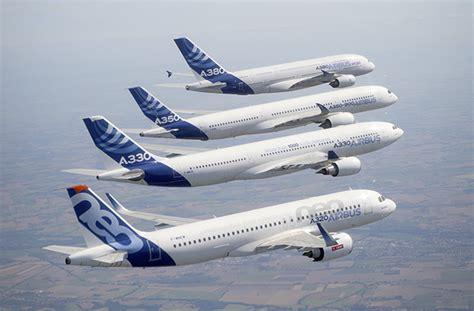
As we approach the end of 2025, Airbus finds itself in a precarious position. With only weeks left in the year, the European aerospace giant is still short by over 100 aircraft to meet its recently revised delivery target of 790 aircraft. While the adjustment from the original 820-unit target was prompted by supplier-related quality issues, the current pace of deliveries and growing operational setbacks cast serious doubt on whether even this reduced benchmark can be achieved.
Delivery Shortfall: Airbus Faces Uphill Battle in Final Stretch of 2025
By the end of November 2025, Airbus had delivered 657 aircraft to 87 global customers. This leaves a remaining gap of 133 aircraft that must be delivered before the close of December. The challenge is underscored by sluggish progress in early December, with only 29 units delivered during the first half of the month—a pace well below what is needed to meet the target.
Industry analysts are voicing growing skepticism. As noted by Rob Morris, a respected aviation analyst speaking to Reuters, “If they are to deliver another 104 aircraft to achieve the restated guidance of around 790, that seems like a very steep challenge at this point in the month.”
This delivery pressure is not an isolated concern; it is symptomatic of deeper issues that have plagued Airbus throughout the year, with particular impact felt across its A320 family, the backbone of its commercial portfolio.
November Delivery Dip: Trigger for Revised Outlook
The warning signs became evident in November 2025, when Airbus delivered just 72 aircraft to 42 customers—a significant decline from the 84 aircraft delivered in November 2024. The 12% year-over-year drop represents not only a volume decline but a symbolic one as well, suggesting deteriorating momentum at a critical point in the annual cycle.
October had brought some optimism with a high-water mark of 78 deliveries, but that brief rebound was quickly overshadowed by quality assurance setbacks. Specifically, Airbus revealed that the slowdown was tied to a supplier defect in fuselage panels, prompting a wide-scale inspection effort.
Fuselage Panel Crisis: The Sofitec Aero Quality Issue
The delivery slowdown can be traced in large part to fuselage panel issues supplied by Sofitec Aero. Panels were discovered to have been manufactured at incorrect thicknesses, a serious quality deviation for any aircraft structure, but especially concerning for the narrowbody A320 family.
According to internal documents reviewed by Reuters, 628 aircraft have been flagged for inspection:
- 168 already in service
- 245 on final assembly lines
- 215 in early stages of production
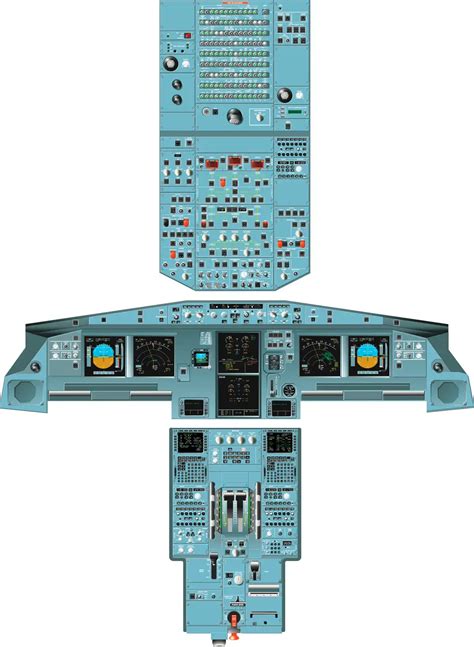
These inspections require extensive labor and coordination, slowing production at multiple points across the supply chain. In response, Airbus enacted a partial suspension of deliveries for affected units until corrective actions could be validated.
Software Glitch Adds to Airbus A320 Woes
As if the manufacturing issues weren’t enough, Airbus faced an unrelated but equally disruptive crisis in late November 2025: a software glitch affecting thousands of A320 family aircraft globally.
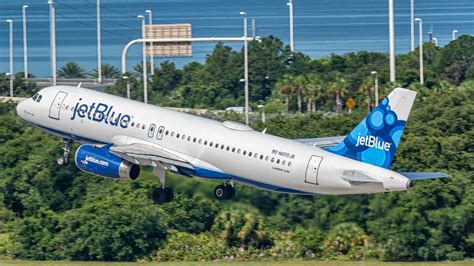
The issue was tied to a solar radiation-triggered malfunction that led to a midair incident involving a JetBlue A320 flight on October 30, which suffered an uncontrolled descent due to a software bug in the elevator aileron computer.
In response, Airbus issued an emergency directive grounding a large segment of its A320 fleet. Approximately 6,000 aircraft were affected, leading to:
- Flight cancellations
- Operational disruptions
- Strained relationships with airlines already managing delays
The JetBlue flight, en route from Cancún to Newark, made an emergency landing in Tampa after several passengers sustained injuries from the sudden descent. Though the software fix was implemented rapidly, the reputational damage and impact on airline confidence were significant.
The Assembly Line Bottleneck: Logistical Complexities Multiply
With so many aircraft at various stages of assembly—and with a notable fraction requiring reinspection or software revalidation—Airbus’ production lines in Toulouse, Hamburg, Tianjin, and Mobile are operating under unprecedented strain. The assembly cadence, which typically follows a just-in-time model, has been disrupted by cascading bottlenecks:
- Rework stations are now overbooked
- Supplier throughput has been slowed
- Final inspections are taking longer due to heightened scrutiny
This, in turn, has delayed handovers to customers, many of whom are working against their own operational pressures in high-demand travel seasons.
Customer Confidence Wanes Amid Delays and Safety Concerns
Airbus has long enjoyed a reputation for reliability and timely delivery, especially of its high-volume A320neo models. However, the twin crises of fuselage integrity and flight software anomalies have begun to erode that confidence.
Major carriers—especially those that rely heavily on single-aisle aircraft for dense short- and medium-haul operations—have expressed frustration, not just with the technical faults but with the lack of clear timelines and communication.
Several customers have reportedly delayed aircraft acceptance, choosing instead to wait for fully verified corrective actions. These deferrals, though tactical from a safety standpoint, further complicate Airbus’ ability to hit year-end numbers.
Operational Fallout: A Chilling Effect on 2026 Planning
Looking ahead to 2026, the implications of the current disruptions are far-reaching. Many airlines plan their capacity and route expansions based on firm delivery timelines from manufacturers. With Airbus falling behind, downstream effects are already being felt:
- Deferred fleet upgrades
- Suspended new route launches
- Reconsideration of lease and resale strategies
This ripple effect places pressure not only on Airbus but on engine suppliers, avionics partners, and maintenance organizations anticipating follow-on service contracts. The entire ecosystem has been jolted.
Can Airbus Still Pull It Off? Signs Point to a Slim Chance
The math is not in Airbus’ favor. With only two weeks remaining in December and an outstanding backlog of over 100 aircraft, even a record-breaking end-of-year sprint may not close the gap. Historically, Airbus has ramped up deliveries in December, but never at this scale and under such intense scrutiny.
For comparison:
- In December 2024, Airbus delivered 89 aircraft.
- To meet the 2025 target, they need at least 104 more.
Considering the logistical, technical, and customer-facing hurdles, even optimists within the industry now concede that meeting the 790 target is unlikely without extraordinary measures.
Conclusion: A Tumultuous Year Ends with Uncertainty
2025 was supposed to be a bounce-back year for Airbus—a return to normalcy post-pandemic, with stable supply chains and soaring airline demand. Instead, it has become a case study in how complex, global manufacturing systems can unravel through seemingly minor defects.
Fuselage miscalculations, software vulnerabilities, and logistical congestion have all converged to test the resilience of Europe’s largest aerospace manufacturer. Whether Airbus manages to claw back enough momentum to salvage its target remains to be seen, but the events of 2025 will undoubtedly inform future audits, design validations, and production planning cycles.
If there’s one certainty, it’s that aircraft delivery targets are no longer mere numbers—they are metrics tightly intertwined with quality assurance, digital reliability, and the ever-watching eyes of both regulators and passengers.