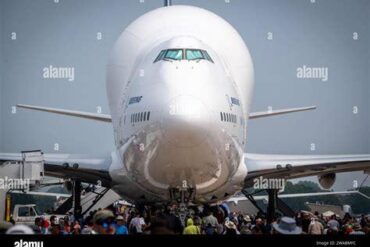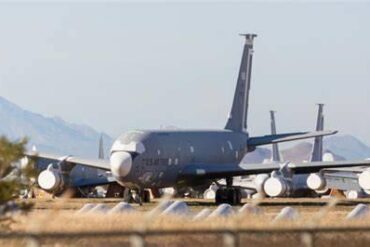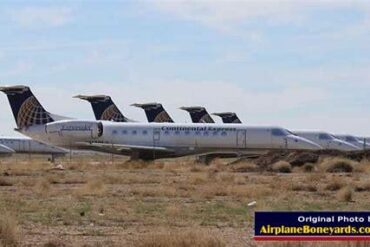
In the vast deserts of the American Southwest, where the climate is dry and the sky stretches endlessly, retired aircraft from every era and nation find their final resting place. These expansive sites are known as aircraft boneyards, and they serve a vital function in the lifecycle of aviation—from military strategy to commercial asset recovery. Far from being forgotten wastelands, these sites form one of the most intriguing and strategically important elements of the aerospace industry.
Why Deserts Make the Perfect Aircraft Boneyards
Aircraft boneyards are deliberately located in arid desert regions like Arizona, New Mexico, and parts of Australia. The low humidity in these locations helps prevent corrosion of sensitive aircraft components, preserving the structural integrity of airframes and electronics. The hard-packed desert floor also eliminates the need for paved surfaces, reducing infrastructure costs significantly.
One of the most iconic of these facilities is the 309th Aerospace Maintenance and Regeneration Group (AMARG), based at Davis–Monthan Air Force Base in Tucson, Arizona. Spanning over 2,600 acres and hosting nearly 4,400 aircraft, AMARG is the largest aircraft storage and preservation facility in the world. It is colloquially known as “The Boneyard”, and its layout resembles a vast metallic cemetery, where rows of bombers, fighters, and transport planes sit in meticulous alignment, quietly awaiting their fate.
From Active Service to Silent Rows: The Journey of a Retired Aircraft
When an aircraft reaches the end of its operational life, it undergoes a decommissioning process before being flown—often for the last time—to one of these boneyards. Upon arrival, the aircraft is classified based on its future potential:
- Long-term storage: Aircraft that may return to service.
- Parts reclamation: Stripped for components such as engines, avionics, and landing gear.
- Scrapping: Dismantled and recycled.
Each plane is thoroughly cleaned and its fluids are drained. Windows and engine openings are sealed to protect against the elements. These protective measures allow stored aircraft to be preserved for decades with minimal deterioration.
The Military’s Strategic Arsenal in Storage
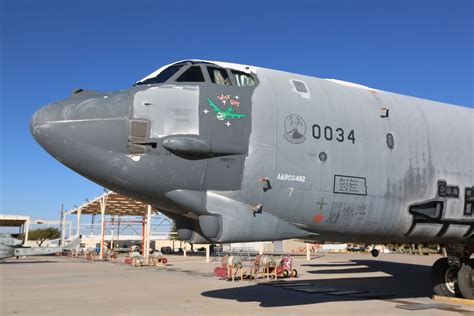
Military aircraft, unlike many of their commercial counterparts, are often preserved for potential future conflicts. A dramatic example of this occurred when the U.S. Air Force resurrected a 60-year-old B-52 bomber from AMARG and returned it to operational status, highlighting the strategic value of storing airworthy frames.
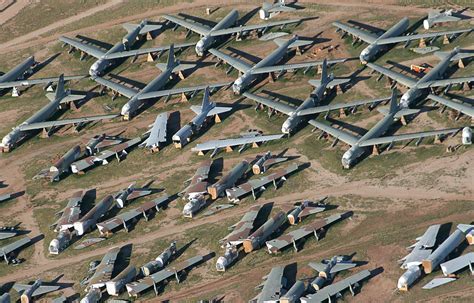
These aircraft can be brought back into service faster and at a fraction of the cost compared to producing new airframes. Reconditioning involves a complex overhaul that includes:
- Installing updated avionics and electronics
- Overhauling engines and hydraulic systems
- Conducting extensive safety checks
- Applying fresh paint and coatings
Each restored aircraft is then subject to rigorous flight testing before it re-enters the active fleet.
Commercial Aircraft: Victims of the Market’s Whims
The commercial aviation sector has also leaned heavily on aircraft boneyards, especially during periods of economic turmoil. The COVID-19 pandemic in 2020 saw a surge in commercial jetliners being sent to storage. Airlines, crippled by plummeting passenger demand, were forced to mothball entire fleets.
What initially began as short-term storage quickly evolved into long-term dormancy for many aircraft. A narrowbody aircraft requires about 40 man-hours to return to service after extended storage, while widebody jets can demand over 100 hours of maintenance and inspection. This intricate process includes cleaning, systems testing, corrosion checks, and regulatory compliance assessments.
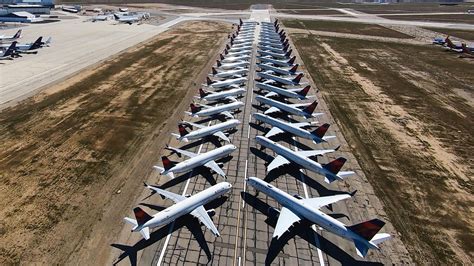
Some aircraft were lucky enough to return to service as demand slowly rebounded, while others were stripped for parts or scrapped. The unpredictability of market recovery often dictates whether a plane flies again or ends its life in pieces.
Global Boneyards: Beyond the U.S. Borders
Though the United States dominates in terms of size and number of boneyards, other nations also host their own storage facilities:
- Alice Springs, Australia: The first large-scale aircraft boneyard outside the U.S., optimized for Asia-Pacific carriers.
- Teruel, Spain: Home to one of Europe’s largest aircraft storage areas, with more than 250 aircraft at peak pandemic levels.
- Enschede Airport, Netherlands: A contested site that faced regulatory hurdles when trying to remove stored Boeing aircraft.
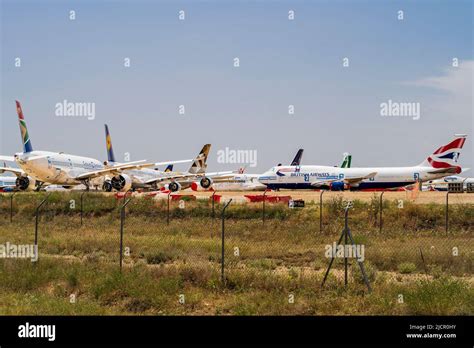
These facilities serve both as decommissioning hubs and maintenance centers, managed by specialized companies like Air Salvage International at the former Kemble Airfield in the UK.
Notable U.S. Aircraft Boneyards
Apart from AMARG, numerous U.S. sites have become synonymous with aircraft retirement and disassembly:
- Kingman Airport, Arizona: Focused on commercial carriers like Delta and United.
- Pinal Airpark: Previously secretive, now known for storing civilian aircraft.
- Victorville, California: A major site that swelled during the airline downturn of 2020.
- Roswell, New Mexico: Houses several large cargo and passenger jets.
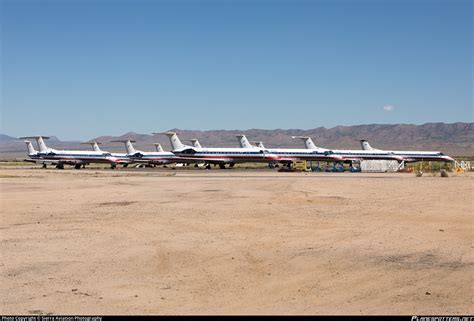
Each of these sites specializes in different aspects of aircraft retirement—from component resale and heavy maintenance to complete scrapping and recycling. The economics behind these operations are formidable; a single widebody aircraft can yield millions in usable parts, making it a goldmine for fleet operators and repair organizations.
Recycling and Sustainability in Aerospace
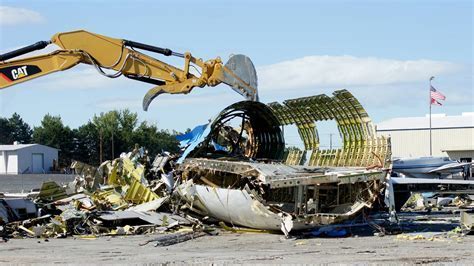
Aircraft boneyards play a pivotal role in sustainable aviation practices. Instead of consigning an entire aircraft to landfill, valuable materials are recovered, including aluminum, titanium, copper, and high-grade plastics. Environmental regulations now require that decommissioned aircraft undergo environmentally responsible disassembly, monitored closely by international bodies such as the Aircraft Fleet Recycling Association (AFRA).
The PAMELA Project, initiated by Airbus, has demonstrated that up to 85% of an aircraft’s materials can be recycled or reused. This practice not only reduces waste but also lowers costs for airlines and manufacturers.
The Symbolism and Legacy of Boneyards
While aircraft boneyards are practical installations, they also serve as powerful symbols of aviation history. Each airframe tells a story—from Cold War reconnaissance missions to transoceanic commercial flights. Enthusiasts and historians often visit these sites, drawn by the silent majesty of machines that once soared at 35,000 feet.
Moreover, the notion that a plane might one day fly again adds a sense of latent potential to these resting giants. In some ways, they are not graveyards at all, but dormant fleets, poised for reawakening when the world calls them back into service.
Conclusion: More Than Just Metal in the Dust
Aircraft boneyards represent the intersection of technology, economics, and strategy. Far from being wastelands of forgotten machines, they are hubs of sustainability, logistical foresight, and aerospace heritage. Whether housing Cold War bombers or pandemic-era jets, these storied sites reflect both the history and the resilience of human flight. They remind us that even in stillness, aircraft continue to serve—preserving parts, offering lessons, and waiting patiently for the skies to call them back.