Once a rite of passage for aviation enthusiasts, veterans, and tourists alike, the Davis-Monthan Air Force Base Boneyard Tours have now vanished into history. The once-accessible expanse of aging military aircraft, stretching across the Arizona desert in silent rows, is now sealed from the public. The decision has not only shuttered a beloved experience but marked the quiet end of one of the most extraordinary access points to the U.S. military’s aerial legacy.
The Boneyard: America’s Aircraft Graveyard
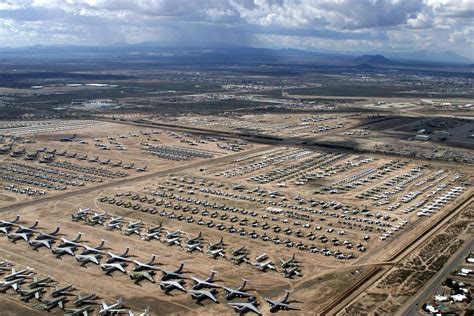
Set in the sun-bleached landscape of Tucson, Arizona, the 309th Aerospace Maintenance and Regeneration Group (AMARG) holds the largest collection of retired military aircraft in the world. Spread across more than 2,600 acres, this sprawling site houses over 4,000 aircraft from various branches of the U.S. military, many of them meticulously preserved, cannibalized for parts, or awaiting conversion into unmanned drones or scrap.
To see row after row of Cold War relics, Vietnam-era fighters, and Gulf War support planes sitting inert under the desert sun is an emotional, awe-inspiring, and often nostalgic experience. For decades, this site wasn’t just a graveyard—it was a living museum, a symbol of power, decline, and strategic retention.
Why the Tours Mattered
The tours were previously operated through the nearby Pima Air & Space Museum, a world-class institution that continues to attract aviation fans. From there, visitors could board a bus and enter the secured grounds of AMARG, where knowledgeable guides would explain the lifecycle of these aircraft—from active duty to preservation, disassembly, and beyond.
For military families, veterans, and historians, this tour was more than sightseeing—it was personal closure. Retired airmen could point to the very aircraft they had once flown or maintained. Others found catharsis seeing machines that had shaped their youth or their understanding of war.
When It All Ended—and Why
The cancellation of the boneyard tours wasn’t abrupt, but it became permanent in the wake of global disruptions. As one Reddit user, Appollow, noted, “Then the world went to shit. Then they canceled them with no possibility of ever restarting.”
Initially paused due to pandemic restrictions, the program was officially terminated without plans for reinstatement. While the Air Force has not provided a detailed public rationale, several possible reasons emerge:
- Security Concerns: The proximity to active operations and sensitive military equipment likely made routine civilian access increasingly complicated.
- Operational Shifts: With changing U.S. defense priorities and growing global tensions, restricting access to even decommissioned equipment might be a strategic choice.
- Liability and Logistics: Tours through a functioning military asset involve complex risk assessments. The rising costs and administrative overhead may have outweighed the perceived benefit.
Getting Close—But Not In
Despite the official closure, some resourceful visitors still find ways to appreciate the Boneyard from the outside. Local roads surrounding Davis-Monthan AFB provide partial views into the aircraft fields. As user jetconscience shared, “You can drive around it quite a bit… Nothing replaces driving through it though.”
While CAC (Common Access Card) holders can enter certain areas, this does not include unrestricted access to the Boneyard interior. According to gscody: “Just show up, scan your CAC and drive around.” But that access is limited to active military personnel or contractors, and even they must avoid certain zones.
The Culture Around the Fence
The Boneyard’s appeal is so strong that its absence has created an underground culture of enthusiasts seeking alternative ways to glimpse or document it. Visitors share tips about the best hills, perimeter roads, and even, humorously or not, about “fence hopping”.
Haunting-Charge-7050 wrote, “You can do whatever you want if you don’t make it obvious lol,” a sentiment shared in jest but reflective of how passionately people feel about seeing this historic site.
Others have taken part in unique opportunities such as the fall fun run, a race that winds along sections of the base’s perimeter. These events offer one of the rare remaining ways to get close legally.
Ghosts of Cold War and Wings of the Future
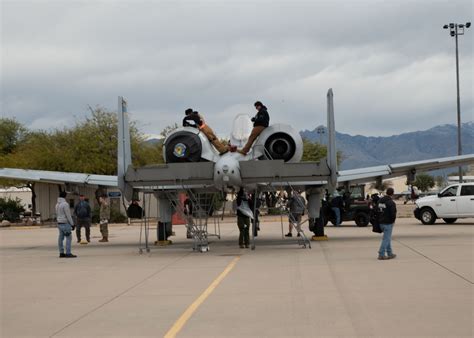
Among the most prominent aircraft in the Boneyard are rows of C-130 Hercules, A-10 Thunderbolt IIs, F-16 Fighting Falcons, and B-52 Stratofortresses. Their presence is a stark reminder of the volume and power of America’s military air presence over decades.
As ejwestcott shared after a recent visit, “Was disappointed… drove around… astonishing how many C130 Hercs…” Others point out rarities like the SR-71 Blackbird, though that particular model now resides safely at Pima, and not in the Boneyard itself.

The Ukraine Angle: A Graveyard with Global Stakes
While the site may seem like a place of stillness, geopolitics have swirled around it. Amid the Russian invasion of Ukraine, speculation emerged over whether some of the preserved F-16s could be made airworthy and shipped overseas.
Comments on Reddit echo this possibility, with tc_spears musing whether the U.S. might “unwrap some of those F-16s for a plucky little Eastern European friend.” Others debate the logistical and training hurdles, suggesting that Polish bases might be used for Ukrainian pilot training.
These conversations reveal that the Boneyard isn’t merely a scrap heap—it’s a strategic resource, housing potential reinforcements in a volatile world. The idea that these aged birds could return to the skies in battle makes their grounding all the more poignant.
A Museum Still Worth Visiting
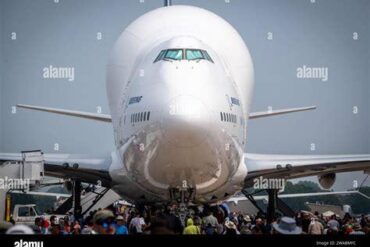
While the tours are no more, the Pima Air & Space Museum remains a world-class institution for aviation lovers. Housing aircraft such as the B-17 Flying Fortress, Dreamliner, and a U-2 spy plane, the museum still offers a close connection to aviation history without needing military clearance.

Many visitors recommend combining a visit to Pima with a drive around the Boneyard perimeter, binoculars in hand, and a full tank of nostalgia. It’s not the same—but for many, it’s close enough.
Why It Matters That They’re Gone
The end of the tours represents more than just lost tourism dollars or missed photo ops. It’s the closure of a public window into the machinery of power. Unlike a traditional museum exhibit, the Boneyard tour let people step into a landscape of military might, to be dwarfed by the scale and humbled by the silence of decommissioned giants.
It was also a means of accountability. When military gear is tucked away out of sight, its purpose and cost fade from the public consciousness. In allowing Americans to see where their tax dollars—and the legacy of past wars—go to rest, the tours performed a civic function.
Final Approaches: Memories and Regret
Users across Reddit share a common emotion—regret. Whether it’s “bonesbrigade619” recalling a 2003 visit that “blew my tiny brain,” or Killentyme55 lamenting the absence of tours despite praising the museum, the sentiment is clear: we didn’t know it was the last time.
Some still hold out hope. Others try to relive the moment through old photos, video flyovers, or even low-altitude flight permissions like those granted to Two_Rabid_Geese for aerial photography.
For now, the Boneyard stands like an ancient city in the desert, quiet but not forgotten. The birds may never fly again, but their stories—and the people who loved them—are very much alive.