Retired cruise ships rarely slip quietly into obscurity. Their enormous steel hulls, palace-like interiors, and decades of nautical history demand a second act, and the industry has become remarkably creative in finding one. The fate of these giants reflects a blend of economics, maritime regulation, nostalgia, and the perpetual evolution of global tourism. Their afterlives vary dramatically, from glamorous floating hotels to silent hulks awaiting dismantling.
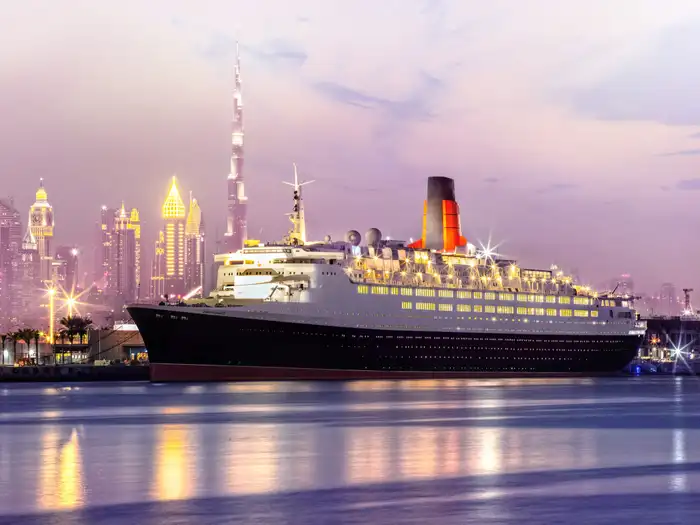
Many retired vessels experience a surprisingly elegant transformation: they become hotels, museums, or leisure destinations. Ships like the Queen Mary in California and the Queen Elizabeth 2 in Dubai demonstrate how iconic liners can evolve into thriving attractions. Their architecture, already rich with lounges, theaters, promenades, and restaurants, lends itself naturally to life at the dock. Companies often see value in preserving these legends because their brand histories continue to draw visitors long after their sailing careers end.
Cruise lines also recognize that not every ship needs to stay tied to its original identity. Some are sold to new owners who meticulously refurbish them before sending them back to sea under new banners. The Beachcomber, the latest addition to Margaritaville at Sea, was previously a Costa Cruises ship and now sails with an entirely different theme and demographic in mind. These rebirths appeal to operators who prefer upgrading an existing ship rather than commissioning a brand-new build.
When Ships Fade Instead Of Sail
Not every vessel gets a glamorous new life or a spirited rebranding. Some ships simply lose their purpose, especially when refurbishment costs soar beyond reasonable return. The Majesty of the Seas, once a celebrated member of Royal Caribbean’s fleet, ended up moored under Greek ownership with little sign of a second future. Ships of this age often fall victim to rising expectations for energy efficiency, updated safety systems, and modern guest amenities—all expensive upgrades for aging hulls.
When demand vanishes entirely, scrapping becomes the final option. Several Carnival ships—including the Ecstasy, Fantasy, and Sensation—met this fate when it became clear that modernization would cost more than their projected earnings. These ships travel to vast shipbreaking facilities that serve as their final destination.
Inside The Global Shipbreaking Industry
The dismantling of a cruise ship is a colossal and highly orchestrated process, a kind of reverse engineering of maritime architecture. Facilities in Bangladesh, India, and the United Kingdom specialize in breaking down massive steel structures piece by piece. Workers remove salvageable materials, from engine components to decorative fixtures, before cutting apart the hull itself. The recycled metal yields valuable returns for cruise companies willing to part with older tonnage.
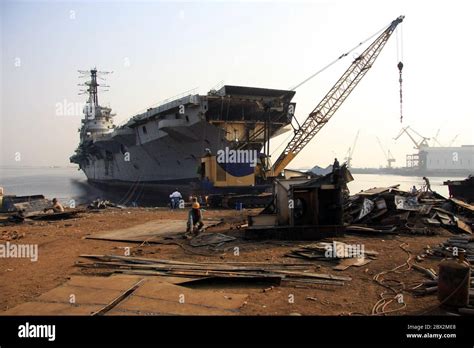
Shipbreaking, despite its economic value, remains a tough, hazardous industry. Crews often work in physically demanding conditions, surrounded by heavy machinery, towering steel plates, and, in some regions, inconsistent safety protections. Environmental concerns are equally pressing. Older ships contain materials—insulation, fuel residues, paint chemicals—that must be handled carefully to avoid contaminating soil and coastal waters.
By late 2025, scrutiny of shipbreaking practices intensified. A coalition of European and Turkish leaders publicly urged the EU to withdraw approvals for certain facilities in Turkey, citing alleged threats to public health and local ecosystems. This renewed debate highlights an uncomfortable truth: the retirement of a cruise ship is not only a commercial decision but an environmental responsibility.
The Unfinished Journey
A retired cruise ship’s fate mirrors the crossroads of global tourism, maritime economics, and ecological stewardship. Whether preserved as landmarks, reimagined for new passengers, or dismantled for raw materials, these vessels remain part of a vast and ongoing story—one that continues long after their engines fall silent.