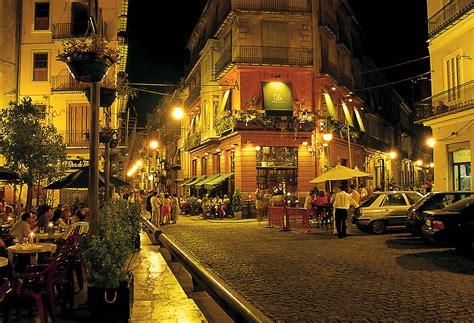
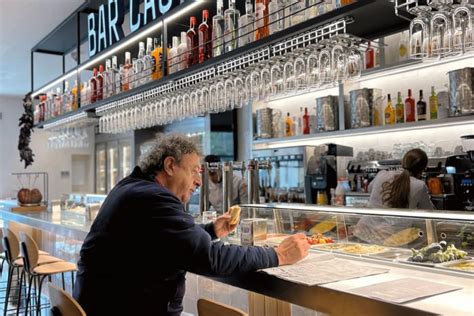
Spain’s Valencia, a jewel on the Mediterranean coast once synonymous with beachside revelry and late-night euphoria, is undergoing a dramatic transformation — and global tourists are taking notice. What was once a city that pulsed with music and energy until the early hours now sees its lights dimming by midnight, leaving stunned visitors to wander quiet streets and shuttered clubs.
At the heart of this abrupt cultural shift is a firm municipal crackdown aimed at restoring peace in central neighborhoods, many of which have been pushed to the brink by years of overtourism. Local authorities have enforced strict nightlife curfews, with bars closing by midnight and police ensuring a hard stop at 1 a.m. The change has been swift and emphatic, driven by a tidal wave of resident complaints about noise pollution, sleepless nights, and the hollowing out of community identity.
A New Reality for Global Party Seekers
Valencia’s reputation as a lively, youthful destination is rapidly being rewritten. The city, once considered a more relaxed alternative to Ibiza or Barcelona for nightlife, is now being redefined by municipal policy rather than by DJs or beach parties. The starkness of this transition became evident through the lens of Chelsie, a digital nomad and travel content creator, who documented her recent trip expecting vibrant nightlife, only to find herself wandering silent avenues well before 1 a.m.
Her viral posts captured what many other international tourists have experienced but not yet articulated — the sense of dissonance between expectation and reality. What she found was a Valencia that becomes unexpectedly tranquil after dark, with nightlife practically dissolved by enforcement, policy, and social pressure. Only one bar open until 3 a.m. was found on a weekday — and even that seemed like an anomaly in an increasingly regulation-bound city.
Why the Crackdown? Noise, Rentals, and Resident Revolt
The surge in tourism, which accelerated post-pandemic as digital nomads and remote workers flooded to scenic urban hubs, placed unprecedented pressure on Valencia’s urban ecosystem. Short-term rental platforms like Airbnb have led to housing scarcity in core neighborhoods, driving residents out and replacing them with transient visitors.
In parallel, nightlife hotspots began to encroach further into residential areas, creating a non-stop cycle of noise, traffic, and late-night disturbances. Complaints began piling up. The city council responded with bold measures — not just encouraging bars to wrap up earlier, but giving law enforcement the power to enforce a strict 1 a.m. closure rule citywide.
For many locals, it was a necessary intervention. “We couldn’t sleep anymore. Every night was like a festival,” one resident near El Carmen told local media. The sentiment is echoed across communities historically known for their charm but now associated with noise complaints and cultural dilution.
The Airbnb Effect and the Hollowing of Valencia’s Center
One of the unintended consequences of excessive tourism is the loss of local identity. As Valencia’s historic neighborhoods filled with vacation rentals, many long-term residents chose to leave. Their departure has had a cascading effect: bars that once served a loyal community base now cater to tourists who are often unfamiliar with local customs — or simply seek a party environment without accountability.
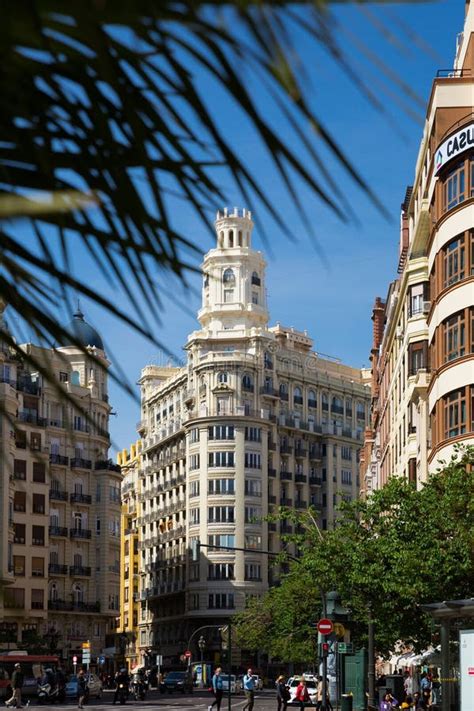
As a result, the city center — once lively with organic, homegrown nightlife — now suffers from both gentrification and depopulation. Without the balance of permanent residents, even local business owners are seeing diminished returns and a less sustainable nightlife economy. The city’s solution? Suppress demand by restricting hours, reducing incentives for disruptive party culture to take root.
Echoes from Tourists: From Disappointment to Understanding
Tourists like Chelsie weren’t the only ones taken by surprise. Comment sections under her videos and posts were filled with comments from fellow travelers recounting similar stories — from discovering all bars closed on a Friday night to asking hotel staff for recommendations only to receive shoulder shrugs in return.
Many visitors expressed disappointment, frustration, and confusion, particularly those who came to Valencia expecting a destination similar to Spain’s more notorious party cities. However, others shared a more nuanced perspective, acknowledging the challenges locals face in a city saturated by tourism. Some even suggested that the peaceful atmosphere was preferable, if not expected.
The Wider Context: Overtourism and the European Shift
Valencia’s transformation is not occurring in a vacuum. Across Europe, cities like Amsterdam, Lisbon, and Barcelona are grappling with the same issues — too many tourists, too little livable space, and too many sleepless nights. Policies targeting overtourism are becoming more aggressive, ranging from tourist taxes and license limits for short-term rentals to outright bans on party venues in historic zones.
In Valencia, the narrative is evolving from “How do we attract more tourists?” to “How do we preserve what’s left for those who live here year-round?” That question is central to this policy pivot. And while it’s disappointing for some, it’s seen as essential for ensuring the city remains liveable in the long term.
A City Still Worth Visiting — But With Adjusted Expectations
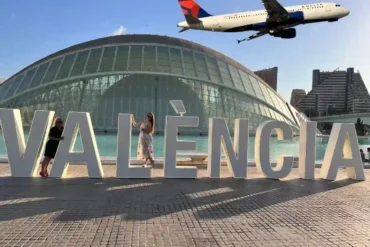
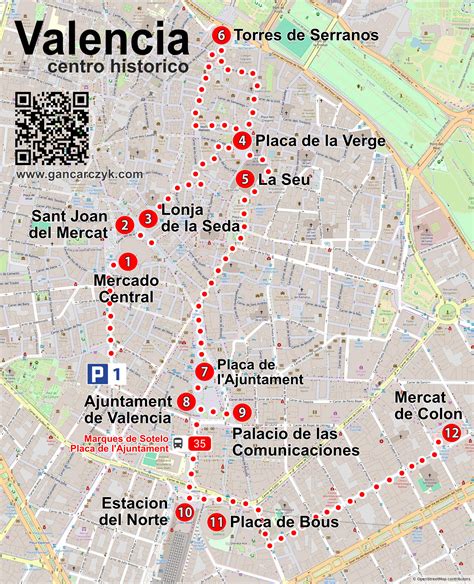
Despite the nightlife restrictions, Valencia still offers an incredible travel experience. The Ciudad de las Artes y las Ciencias, sun-drenched beaches, the annual Las Fallas Festival, and the culinary masterpiece that is paella valenciana continue to draw millions. But those hoping for after-dark adventures must now look off the beaten path or limit their expectations.
For more robust nightlife, travelers may need to venture into Ruzafa, a hip neighborhood that still hosts music bars and art cafés — albeit within curfew limits. Alternatively, nearby towns like Benidorm or Alicante offer more of a traditional party atmosphere, albeit without the cultural richness Valencia affords.
The Environmental Wake-Up Call
Valencia’s recent environmental struggles have further influenced city planning. In 2024, the city suffered catastrophic flooding that not only claimed lives but also devastated infrastructure. Though not directly related to nightlife, the event catalyzed conversations about urban resilience, overdevelopment, and climate preparedness.
Flooding forced a comprehensive re-evaluation of urban policies. How many tourists can a city sustainably accommodate? How should noise and energy consumption be regulated? The nightlife restrictions are just one output of a broader, more forward-thinking civic blueprint.
The Future of Valencia’s Tourism Identity
There’s a growing realization among municipal leaders that sustainable tourism is not just a buzzword, but a necessity. Valencia appears to be aiming for a middle path — maintaining its magnetic appeal to international visitors while enforcing enough discipline to ensure long-term livability for its people.
This may involve further zoning laws, limiting new bar licenses in historical areas, and working with platforms like Airbnb to cap rental density. Meanwhile, authorities are promoting daytime cultural tourism — art exhibitions, culinary workshops, historical tours — as alternatives to the now-dimmed bar-hopping scene.
Whether this will be enough to reshape global perceptions of Valencia remains to be seen. What is certain, however, is that the city is prioritizing residents over revelers — and it’s willing to lose some nightlife dollars to secure a quieter, more sustainable future.
Conclusion: Peace Over Party, and the Price of Preservation
For visitors accustomed to Europe’s high-octane party cities, the new Valencia may come as a surprise. But behind the early bar closures and quiet streets lies a compelling story of a city taking control of its destiny. Rather than allowing itself to be consumed by the forces of global tourism, Valencia is charting a new course, where quality of life, sustainability, and local voice take precedence.
For tourists, this means more than just adjusting schedules — it means adjusting mindsets. Because in this new chapter of Valencia’s story, the party might be quieter, but the city is speaking louder than ever.