Batik Air Malaysia, formerly known as Malindo Air, has rapidly carved out a distinct identity in the global aviation industry. As a full-service airline and a subsidiary of Indonesia’s Lion Air Group, Batik Air Malaysia has undergone significant transformations, particularly in its shift to a fully-fledged service model and its expansion into new international markets. This article delves deep into the history, fleet, services, and growing global footprint of Batik Air Malaysia, showcasing how it has positioned itself as a key player in both regional and long-haul travel.
The Birth and Evolution of Batik Air Malaysia
Founded in 2012, Batik Air Malaysia initially began operations under the name Malindo Air, a hybrid carrier that combined elements of both low-cost and premium services. The airline was the result of a joint venture between Malaysia’s NADI (National Aerospace and Defense Industries) and the Indonesian Lion Air Group. The name ‘Malindo’ was a fusion of ‘Malaysia’ and ‘Indonesia’, reflecting the bilateral collaboration between the two nations.
In its early years, Malindo Air was focused on providing affordable yet comfortable flights within Southeast Asia. The airline quickly became known for its competitive pricing and quality service, which attracted a loyal customer base. However, as competition within the region’s aviation industry intensified, Malindo Air decided to make a strategic shift. In 2019, the airline transitioned to a fully-fledged full-service model, setting it apart from other low-cost carriers in the region.
On April 28, 2022, Malindo Air was officially rebranded as Batik Air Malaysia, aligning its identity with the Lion Air Group’s broader strategy of consolidating its full-service carriers under the Batik Air brand. This rebranding signaled the airline’s commitment to offering enhanced services, better connectivity, and a more diverse range of destinations for both business and leisure travelers.
Fleet and Aircraft
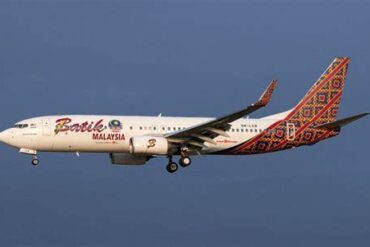
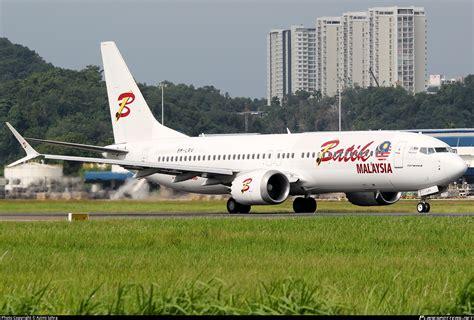
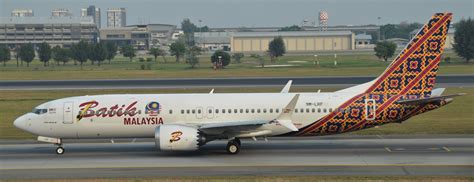
Batik Air Malaysia boasts a diverse and modern fleet, which is one of the key elements that sets the airline apart in a competitive market. The airline’s fleet includes some of the latest aircraft models, providing both comfort and efficiency for travelers. The airline’s primary aircraft include the Boeing 737 MAX and the Airbus A330, both of which are known for their fuel efficiency, advanced technology, and ability to provide a smoother in-flight experience.
Batik Air Malaysia made headlines in 2017 when it became the first airline globally to operate the Boeing 737 MAX 8, marking a significant milestone in aviation history. The 737 MAX is renowned for its fuel-saving capabilities and improved engine performance, offering a more sustainable option for both short and medium-haul flights. The airline’s commitment to sustainability is evident in its use of these advanced aircraft, which contribute to lowering the carbon footprint of its operations.
As of late 2024, Batik Air Malaysia operates a fleet of approximately 32 aircraft, with plans for expansion on the horizon. The airline is continuously upgrading its fleet to offer passengers a more comfortable and eco-friendly flying experience.
Destinations and Network Expansion
Since its inception, Batik Air Malaysia has focused on expanding its network across the Asia-Pacific, South Asia, and the Middle East. Today, the airline serves a wide range of destinations, connecting travelers to 79 locations globally. Batik Air Malaysia has made a strategic push into long-haul flights, offering services to destinations that were previously underserved by other regional carriers.
The airline’s primary hub is Kuala Lumpur International Airport, a key transit point in Southeast Asia. Batik Air Malaysia’s growing route network includes major cities such as Singapore, Jakarta, Bali, and Kuala Lumpur, as well as long-haul destinations like Dubai, Melbourne, and Tokyo.
One of the airline’s key strengths lies in its ability to serve both short and long-haul routes with equal efficiency. While it has a strong presence in Southeast Asia, it is also expanding its reach in the Middle East and other parts of the Asia-Pacific region. The airline’s diverse portfolio of routes appeals to both business and leisure travelers, offering flexibility and choice across a wide range of destinations.
Additionally, Batik Air Malaysia has entered into several codeshare agreements with other carriers, enhancing its connectivity and offering passengers a seamless travel experience. These partnerships enable passengers to book flights across multiple airlines on a single ticket, expanding their travel options and making international journeys more convenient.
Customer Experience and Services
Batik Air Malaysia has made significant investments in customer service, ensuring that passengers experience a high level of comfort, convenience, and luxury during their flights. The airline’s transition to a full-service model has resulted in an enhanced inflight experience, with a focus on providing superior amenities for both business and economy class passengers.
In Business Class, passengers can enjoy larger seats with greater legroom, making long-haul flights much more comfortable. The seats are equipped with personal entertainment systems, offering a wide range of movies, TV shows, and music to keep passengers entertained during their journey. Additionally, Business Class passengers have access to exclusive lounge areas at select airports, where they can relax before their flight.
Economy Class passengers also benefit from Batik Air Malaysia’s commitment to comfort. The airline offers complimentary in-flight meals and beverages, with a selection of dishes that cater to various dietary preferences. Passengers in Economy Class are also provided with personal entertainment systems on select aircraft, ensuring that they have access to entertainment throughout their flight.
Batik Air Malaysia places a strong emphasis on customer service, with attentive cabin crew members who ensure that every aspect of the passenger experience is seamless and enjoyable. The airline’s commitment to service excellence has earned it a loyal customer base and positive reviews from travelers worldwide.
Batik Air Malaysia’s Impact on the Aviation Industry
Since its rebranding and transition to a full-service model, Batik Air Malaysia has significantly impacted the Southeast Asian aviation industry. The airline’s ability to compete with established regional carriers while offering competitive pricing has positioned it as an attractive option for both business and leisure travelers. Its fleet modernization, combined with a growing network and focus on customer service, has made Batik Air Malaysia a formidable competitor in the region.
Furthermore, the airline’s expansion into international markets has allowed it to challenge established players on long-haul routes. Batik Air Malaysia is rapidly gaining recognition as a reliable and efficient carrier, making it a preferred choice for travelers seeking both comfort and affordability.
Looking ahead, Batik Air Malaysia plans to continue expanding its fleet and route network, with a focus on increasing its presence in both existing and new markets. As the airline continues to evolve, it is poised to play an even more significant role in the global aviation industry.
Conclusion
Batik Air Malaysia’s journey from its humble beginnings as Malindo Air to its current position as a leading full-service airline is a testament to the company’s commitment to growth and excellence. With a modern fleet, a wide range of destinations, and a focus on superior customer service, Batik Air Malaysia is well-positioned to remain a dominant force in the aviation industry for years to come.