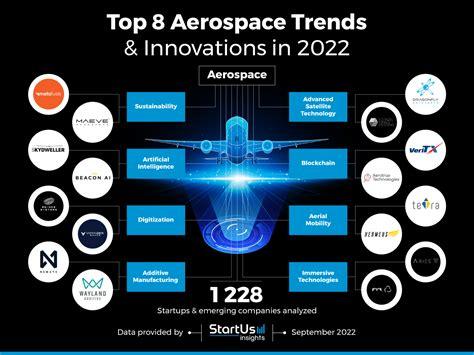
The aviation industry stands at the crossroads of innovation and transformation, and nowhere is this more evident than at the world’s leading aviation conferences. These dynamic gatherings bring together global leaders, engineers, policy makers, technology developers, and aviation enthusiasts, offering a unique platform to exchange ideas, shape policy, and drive business growth. In 2025, an impressive calendar of high-impact conferences spans the globe, each tailored to specific sectors of the aviation ecosystem, from vertical flight technologies to airport infrastructure and airline strategy.
The importance of attending aviation conferences in today’s climate cannot be overstated. They are no longer just networking events but have evolved into think tanks where sustainability initiatives, digital innovation, passenger experience, and regulatory frameworks are deeply explored. In an era marked by decarbonization, air mobility evolution, and artificial intelligence, these conferences are the forums shaping tomorrow’s skies.
Verticon 2025: Defining the Vertical Frontier
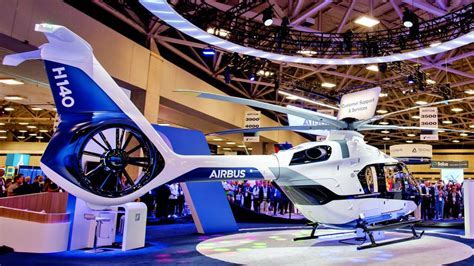
Scheduled to return as the globe’s premier vertical aviation event, Verticon 2025 stands as a testament to how urban air mobility (UAM), rotorcraft advancements, and vertical takeoff and landing (VTOL) technologies are changing modern flight. The conference attracts a wide spectrum of attendees — from aerospace giants to nimble startups — all converging to showcase cutting-edge aircraft, modular avionics, and new propulsion systems.
Verticon’s sprawling trade show is a centerpiece, featuring interactive booths, full-scale aircraft displays, and immersive VR simulations of future urban air corridors. Industry stakeholders leverage the event to unveil prototypes and test market reception, while policy makers use the forum to debate safety frameworks and certification roadmaps. The educational sessions delve into topics such as:
- Battery-electric and hybrid-electric VTOL configurations
- Integration of autonomous systems in congested urban airspaces
- Regulatory harmonization between FAA, EASA, and other authorities
NBAA-BACE: Business Aviation’s Flagship Gathering
The National Business Aviation Association Business Aviation Convention & Exhibition (NBAA-BACE) remains the pinnacle event for business aviation stakeholders. Hosted in a major U.S. hub each year, NBAA-BACE merges high-level strategic dialogue with dazzling exhibits of business jets, sustainable aviation fuel (SAF) technologies, and advanced avionics.
In 2025, sustainability and digital transformation dominate the agenda. Attendees explore electric propulsion alternatives for regional and light jets, and tools like AI-based flight planning systems that optimize fuel usage. Another major theme is cybersecurity in business aviation — a growing concern as aircraft become increasingly connected. Keynote addresses by C-suite leaders highlight:
- SAF certification timelines and supply chain dynamics
- Trends in fleet modernization for corporate operators
- Business aviation’s role in global economic resilience
Aviation Festival Americas: Building the Digital Airline of Tomorrow
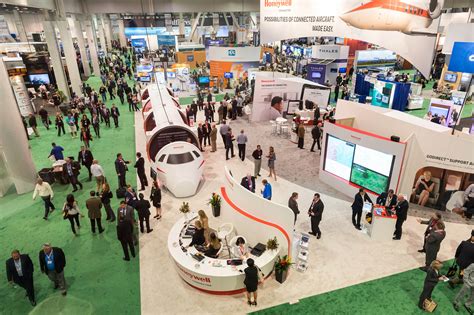
Set to take place in Dallas, Texas from March 5–7, the Aviation Festival Americas brings together a diverse cross-section of airline, airport, and tech innovators. Unlike highly technical trade shows, this event focuses on digital disruption in passenger air travel — particularly how airlines can evolve into data-driven customer experience engines.
Panels and workshops cover an array of forward-looking topics:
- Personalization algorithms in airline booking and loyalty programs
- API strategies for airline-OTA integrations
- Blockchain applications for ticketing and identity management
Executives from legacy carriers and low-cost disruptors share insights into adapting to fluctuating market dynamics, especially in the post-pandemic, hybrid business travel era. Airports also feature prominently, especially in discussions around smart terminals, autonomous baggage handling, and biometrics in security protocols.
IATA and ACI Events: Policy, Regulation, and Global Air Transport
The International Air Transport Association (IATA) and Airports Council International (ACI) are keystone institutions in shaping aviation policy and standards. Their conferences in 2025 are critical rendezvous points for regulators, civil aviation authorities, and airport operators.
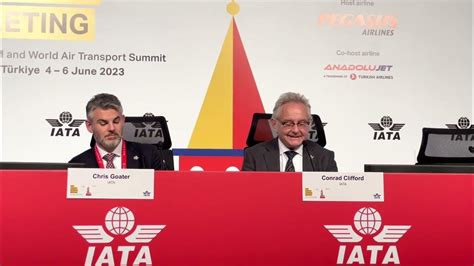
The IATA Annual General Meeting & World Air Transport Summit draws ministers, CEOs, and global stakeholders into deep conversations on market access liberalization, ICAO’s CORSIA implementation, and airline financial health. The IATA Slot Conference, meanwhile, addresses global slot coordination, essential for congested hub airports.
ACI’s Business of Airports Conference and its various regional seminars focus on infrastructure modernization, privatization trends, and digital twin technology for airport operations. These events offer rare opportunities for face-to-face engagement between government agencies and industry on key regulatory frameworks.
EAA AirVenture Oshkosh: A Celebration of General Aviation
More than just a conference, EAA AirVenture Oshkosh is a cultural and technical celebration of general aviation, attracting over half a million attendees to Wisconsin each summer. With a combination of airshows, workshops, historical aircraft displays, and forums, it’s an unmatched experience for aviation enthusiasts and professionals alike.
This event bridges generations — from World War II aircraft restorers to electric ultralight developers — fostering mentorship, technical exchange, and innovation at the grassroots level. The 2025 agenda expands its spotlight on homebuilt aircraft, experimental propulsion systems, and young aviator programs. Notable highlights include:
- Hands-on avionics installation workshops
- Certification briefings from the FAA
- Pilot health and well-being forums
CAPA Airline Leader Summit & MRO BEER: Strategic Vision and Operational Backbone
CAPA – Centre for Aviation’s Airline Leader Summit assembles airline CEOs and strategists in a think tank environment designed for in-depth strategic analysis. The 2025 edition will address post-pandemic airline consolidation, alliances, and geopolitical risk management. Attendees explore route profitability modeling, NDC (New Distribution Capability) deployments, and fleet renewal implications on carbon emissions.
On the technical front, MRO BEER (Maintenance, Repair and Overhaul – Baltics and Eastern European Region) serves as a vital event for engineering, maintenance managers, and supply chain executives. With sessions focused on predictive maintenance analytics, digital twin deployment, and component traceability, MRO BEER underscores the role of innovation in ensuring airworthiness.

Emerging Global and Regional Conferences
Beyond the established global circuit, 2025 also brings several rising conferences that reflect the geographical and technological diversification of the aviation sector:
- Passenger Terminal Expo (Hamburg, Sept 9–10) – Focuses on passenger experience design, airport IT, and terminal architecture
- Aerospace Tech Week Europe – Centers on avionics, e-enablement, and aerospace cybersecurity
- Asian GHI Conference – A platform for ground handlers and airport service providers in the Asia-Pacific
- Aviation Energy Forum – A niche but increasingly influential event spotlighting SAF, hydrogen infrastructure, and energy storage
- Sun ‘n Fun Aerospace Expo – A U.S.-based gathering of recreational pilots and aviation educators
- World Aviation Festival (Singapore, Sept 16–18) – The Asian counterpart to the Americas event, emphasizing aviation digital commerce and payments
These events bring critical regional insight and foster local innovation ecosystems, while still linking into global supply chains and policy discussions.
The Strategic Value of Attendance
Attending aviation conferences in 2025 is more than a badge of industry relevance — it’s a strategic imperative. Companies use these events to form joint ventures, scout for investment, benchmark competition, and recruit talent. For regulators, these forums provide candid feedback loops from operators and manufacturers, facilitating smarter policymaking. Startups gain traction, research institutions showcase breakthroughs, and vendors close multi-million dollar deals on the exhibit floor.
Moreover, as global connectivity returns to pre-pandemic levels, conferences enable direct engagement that digital platforms cannot replicate. Side meetings, informal discussions, and serendipitous introductions often yield high-impact outcomes. With the aviation industry balancing legacy infrastructure and future-ready ambition, these conferences are the launchpads for new industry paradigms.
Conclusion
In sum, aviation conferences in 2025 reflect an industry in motion — technologically, environmentally, and commercially. From VTOL breakthroughs at Verticon to strategic discourse at CAPA and regulatory foresight at IATA summits, these events are critical for shaping the next generation of aviation. Whether you’re an OEM, an airline executive, a regulator, or a young engineer, the insights, access, and momentum generated at these gatherings are indispensable.
The runway for the future of flight begins here.