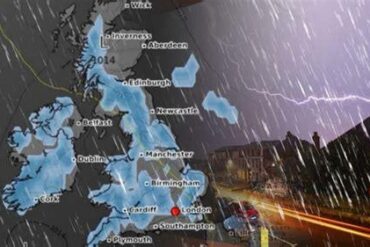
Travelers in New York City, Philadelphia, and surrounding regions are bracing for significant disruptions as a powerful wave of severe thunderstorms threatens to wreak havoc on air travel across the Northeast and Mid-Atlantic. The urgent weather warnings indicate that critical airports such as JFK, Newark, Dulles, and LaGuardia could face unprecedented delays and cancellations in the coming hours. This is not merely a localized storm; it represents a high-impact, multi-state event poised to disrupt air networks and leave countless passengers stranded.
As thunder rolls and heavy rainfall begins to blanket urban areas, reports of swelling traffic delays emerge from the streets of New York City and Philadelphia. Meanwhile, Raleigh, North Carolina, Baltimore, and Albany are experiencing heightened weather alerts, raising concerns about cascading cancellations at major travel hubs. Travelers across the U.S., Europe, and Canada need to take immediate action to adapt their travel plans accordingly, monitor airline updates, and brace for potential detours.
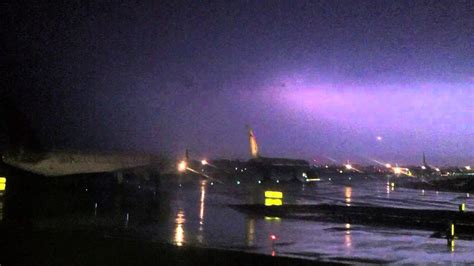
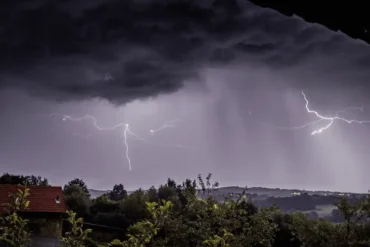
Severe thunderstorms have already begun to lash the Northeast travel corridors with tremendous force, unleashing winds exceeding 70 MPH, abrupt flight cancellations, and escalating disruptions that are anticipated to worsen through Thursday night. From Washington, D.C., to New York City, the intensity of this storm system is alarming. As the skies darken, the ripple effects of this weather crisis are becoming increasingly apparent, grounding aircraft and flooding highways, throwing millions of travel plans into chaos.
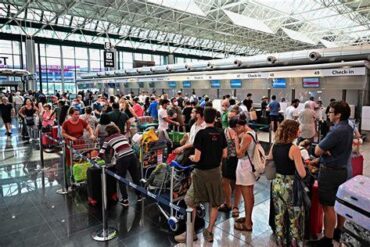
This is not merely a weather event; it is a crisis that is unfolding in real-time, reshaping travel dynamics across the region. With the storm system now sweeping through major metropolitan areas, the impact on domestic and international air travel intensifies by the hour. Winds of this magnitude are wreaking havoc on critical infrastructure, leading to mounting flight cancellations and stranding passengers in terminals with little notice. As aircraft and crew members are forced off schedule, travelers are left grappling with long delays and abrupt changes in their itineraries.
Airports in Turmoil: A Ground-Level View
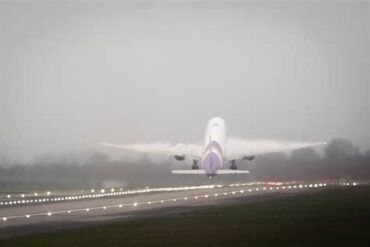
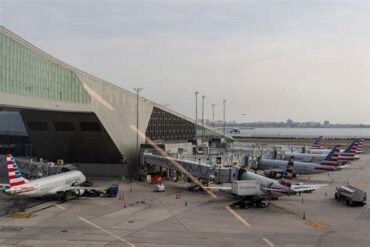
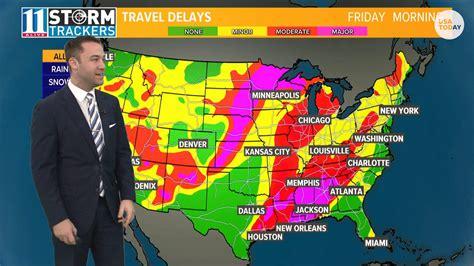
The I-95 corridor, which encompasses some of the busiest airports in the country, is currently experiencing rolling ground stops and a surge in flight delays. Airports including JFK, Newark, Philadelphia, Dulles, and LaGuardia are particularly affected, with travelers reporting growing frustrations as flights that were once on time are now delayed by several hours or even canceled outright. As thunderclouds loom overhead, airport crews are grounding aircraft amid fears of hazardous conditions such as hail, wind shear, and lightning strikes. The aftermath of this storm may extend far beyond the East Coast, with connecting flights in cities like Chicago, Atlanta, and Dallas experiencing significant backlogs as planes fail to arrive or depart on schedule.
Hotel Bookings Surge Amid Flight Cancellations
With countless passengers grounded indefinitely, hotels near major airports are witnessing a sharp increase in emergency overnight bookings. Cities like Philadelphia and Baltimore report occupancy rates skyrocketing due to the influx of stranded travelers seeking last-minute accommodations. This surge in demand is driving up prices and tightening availability, with some properties fully booked and others struggling to accommodate guests who are willing to travel miles outside city limits.
As local transportation networks—including shuttles and rideshare services—become overwhelmed with demand, delays are cascading throughout every facet of the travel system. Travelers are left scrambling for alternative options as the storm wreaks havoc on both air and ground travel.
Ground Transportation Disruptions: A Broader Impact
The chaos created by the storms isn’t confined to the skies. On the ground, Interstate 95, the backbone of the eastern U.S. transport network, is facing severe traffic congestion, flooded lanes, and downed trees. Winds have torn through already saturated landscapes, toppling limbs and knocking out traffic signals. Urban areas like Newark, Wilmington, and Trenton are grappling with flash flooding, turning streets into impassable rivers. As visibility rapidly diminishes due to blinding rainstorms, motorists are being urged to avoid travel unless absolutely necessary. Roads notorious for flooding during even light rainfall are now entirely submerged, complicating evacuation efforts and putting emergency response teams on high alert.
Dangerous Conditions: Tornadoes and Hail
Compounding the crisis, meteorologists warn of isolated tornadoes potentially forming across regions of New York, Vermont, and parts of New England. Tornado watches have already been issued for extensive areas, raising alarms about sudden, localized destruction in communities already grappling with adverse weather conditions. Reports of hail and lightning strikes are increasing, stretching utility crews thin as they work to respond to downed power lines and damaged transformers. Power outages are surging, and trees weakened by the relentless rain are crashing into neighborhoods, while the winds peel back roofing materials and damage structures.
Travel Experts Warn of Weekend Ripple Effects
The Northeast serves as a crucial linchpin in the U.S. aviation network. When disruptions occur here, the reverberations are felt nationwide. The current storm system is no exception. As the chaos from Thursday extends into Friday and the weekend, airlines will face immense challenges in repositioning aircraft and reassigning crews. This could result in more travelers having their summer travel plans disrupted, particularly those heading out for early vacations or significant business events.
Meteorologists are forecasting triple-digit heat and humidity for the weekend, predicting that this clash of weather systems could trigger additional severe storms, especially at the periphery of the incoming heat dome. Travel troubles may only be beginning, with cascading effects likely to linger well into next week.
Impacts on Tourism: A Concerning Future
The tourism sector is bracing for immediate and lingering impacts as travelers cancel plans or face costly delays. Cities that rely heavily on summer visitors may experience significant revenue dips, with museums, event venues, and guided tours reporting increasing numbers of no-shows. Local businesses near tourist hotspots—from D.C. to Boston—are adjusting operations, uncertain if foot traffic will rebound in the wake of these disturbances. Regional airports, such as those in Harrisburg, Manchester, and Westchester, are witnessing an influx of diverted flights, straining smaller terminals and causing confusion among passengers unfamiliar with these hubs.
What Travelers Should Do Now
For those currently traveling or with upcoming plans in the affected region, preparation is paramount. Travelers should take proactive measures:
- Confirm flight statuses before departing.
- Avoid non-essential highway travel in impacted areas.
- Rebook accommodations early to sidestep availability crunches.
- Sign up for airline alerts and weather notifications.
As the Northeast braces for more turbulent skies, those on the move must remain vigilant, adaptable, and patient. The storm is not just a temporary disruption; it underscores the fragility of travel infrastructure amid changing climate patterns.
The Bigger Picture: Resilience in Travel
This storm is more than just a weather event; it serves as a stark reminder of the increasing volatility of travel infrastructure in the face of extreme climate conditions. The travel industry must adapt swiftly to these challenges. Airlines, hotels, and transit authorities are under growing pressure to develop resilient systems, implement real-time communication tools, and establish emergency protocols for events like this. For now, the Northeast remains ensnared in nature’s fury, and travelers must navigate the storm one decision at a time.