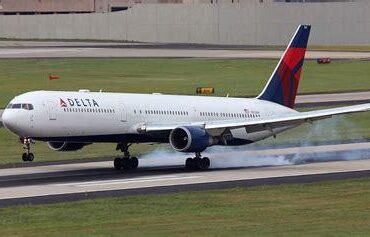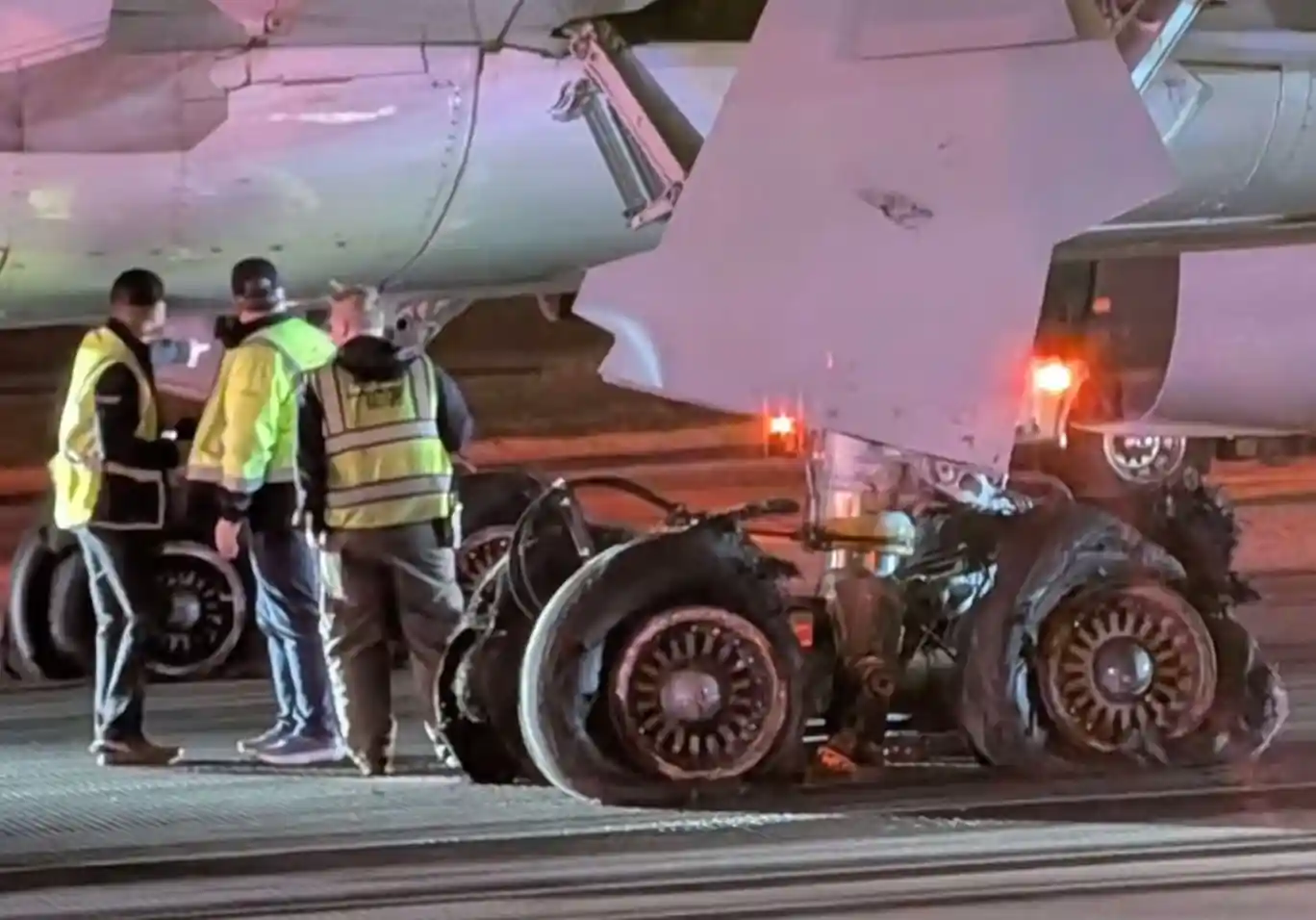
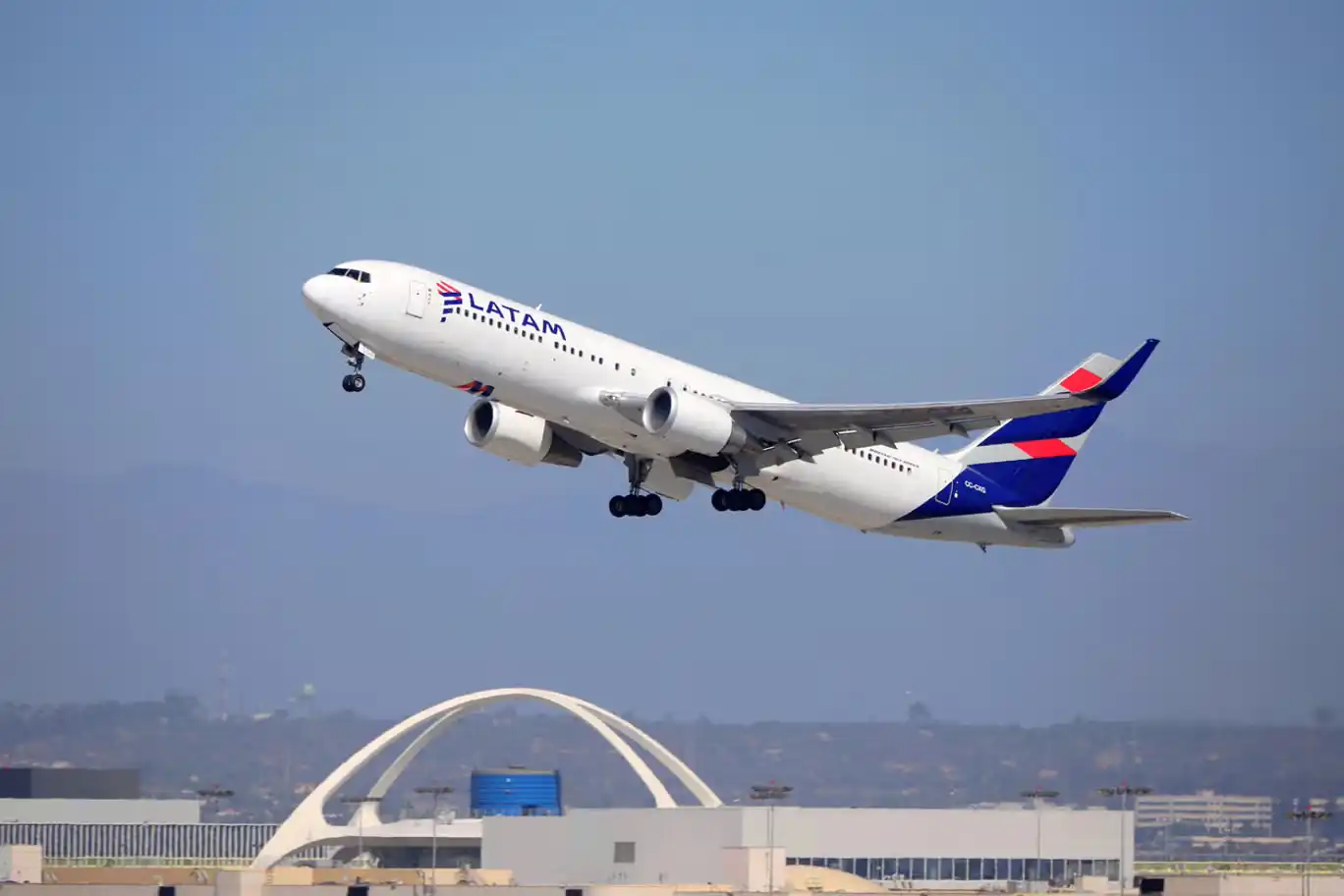
A Boeing 767-300ER operated by LATAM Airlines experienced a significant runway incident upon arrival at Hartsfield-Jackson Atlanta International Airport (ATL) on January 6. The aircraft, inbound from Lima, Peru, suffered multiple tire blowouts during touchdown, causing it to become stuck on Runway 26R, temporarily affecting airport operations.
Emergency Response and Initial Investigation
The incident occurred in the evening hours, as the wide-body aircraft approached the runway for landing. Upon touchdown, all eight main landing gear tires on the Boeing 767 reportedly burst, according to preliminary reports by FOX 5 Atlanta. This forced the aircraft into a controlled stop and rendered it immobile on the runway.
Emergency services, including the Atlanta Fire Rescue Department, responded swiftly. Fortunately, no injuries were reported among passengers or crew. Airport authorities moved promptly to secure the area, inspect the runway for foreign object debris (FOD), and assess any structural damage caused by the blowout.
The Federal Aviation Administration (FAA) has launched a formal investigation into the incident. Their analysis will aim to determine whether the blowouts were caused by mechanical failure, tire fatigue, foreign objects, or another environmental or operational factor.
The Aircraft: A Veteran Workhorse
The involved aircraft is a 17-year-old Boeing 767-300ER, a long-range, twin-aisle aircraft used primarily for intercontinental routes. According to data from FlightRadar24, the aircraft had recently completed its flight from Jorge Chávez International Airport (LIM) in Peru and was scheduled for a future service to New York JFK on January 9—pending repairs and clearance.
This particular 767 features a dual main landing gear configuration, each with four tires arranged in tandem, bringing the total to eight for the main gears. The damage to all eight tires highlights the severity and rarity of the incident.
The Science Behind Aircraft Tire Safety
Aircraft tires are engineered with extraordinary durability and redundancy. Unlike car tires, which typically operate at pressures between 30–35 psi, aircraft tires like those on a Boeing 767 are inflated to over 200 psi. These high pressures ensure stability at speeds exceeding 150 knots during landing and takeoff.
To enhance safety, these tires are filled with nitrogen gas, not ambient air. Nitrogen is inert and less reactive to temperature changes, which helps minimize the risk of overpressure and explosion caused by the intense heat generated during braking.
Further, fuse plugs—metallic devices embedded in the tire—are designed to melt at high temperatures, allowing gradual pressure release before a catastrophic failure can occur. Despite these measures, the sheer forces during landing, combined with wear and potential underlying mechanical issues, can still lead to blowouts.
The Cost of Failure: Tire Replacements and Delays
Replacing aircraft tires isn’t just a routine maintenance task—it’s a significant cost center for airlines. Each tire on a Boeing 767 can cost several thousand dollars, and replacing all eight can amount to tens of thousands. For comparison, the Airbus A380 has 22 tires, and a full replacement on that aircraft could exceed $110,000.
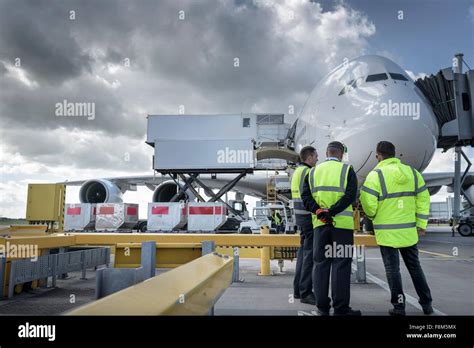
Beyond costs, the incident created operational delays. Runway 26R remained closed for hours while crews towed the immobilized aircraft, cleaned debris, and performed runway integrity inspections. While ATL has multiple parallel runways and was able to maintain some level of operations, the blockage caused minor flight delays and diversions.
FAA Investigation and Regulatory Oversight
The FAA’s probe will assess multiple facets of the incident:
- Maintenance logs of the aircraft, focusing on the landing gear and tires.
- Flight data recordings for abnormalities in touchdown speed or descent rate.
- Environmental conditions like runway friction or foreign object presence.
- Operational procedures followed by the LATAM flight crew during landing.
Aircraft tires typically have a lifespan of 200–500 landing cycles, depending on brand, usage conditions, and aircraft weight. A critical part of the FAA’s examination will be determining whether the tires had reached or exceeded their cycle limit.
No Injuries, But Lessons Await
While the successful emergency response and absence of injuries are commendable, the incident serves as a powerful reminder of the critical role landing gear plays in flight safety. The tires, though often overlooked in favor of engines or avionics, are fundamental to every safe landing.
The aviation community now awaits the FAA’s full report to understand the exact causes of the blowout and whether procedural or design changes may be needed. Depending on findings, advisories or airworthiness directives (ADs) could be issued to carriers operating similar Boeing 767s to inspect their landing gear systems.
The Bigger Picture: Aviation Safety and Maintenance
This incident adds to a growing list of non-catastrophic but high-impact mechanical events involving aging aircraft. As fleets around the world continue to operate aircraft over 15–20 years old, maintenance rigor becomes even more essential. Ensuring safety doesn’t rely solely on new technology but on preventive inspection, part lifecycle tracking, and training.
Moreover, it brings attention to airport emergency preparedness. ATL’s quick response prevented what could have evolved into a more dangerous situation. Their readiness, coordination with LATAM, and immediate runway shutdown all played a role in ensuring passenger safety.
Final Thoughts
Though commercial aviation remains statistically the safest mode of travel, incidents like the LATAM Boeing 767 tire blowout in Atlanta illustrate the fragility of flight systems under stress. Each component—no matter how small—has the potential to affect hundreds of lives.
As the FAA investigation unfolds, the industry will likely gain new insights into landing gear performance, tire manufacturing standards, and real-world challenges faced during high-speed landings. Until then, the grounded LATAM aircraft remains a testament to how safety systems, quick response, and robust engineering can combine to prevent disaster—even when the rubber fails to meet the road.