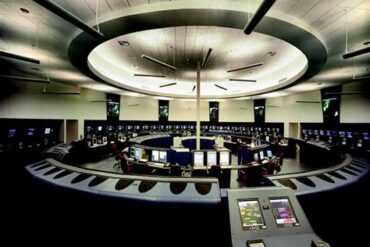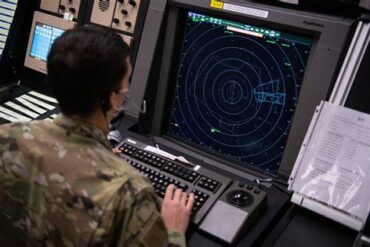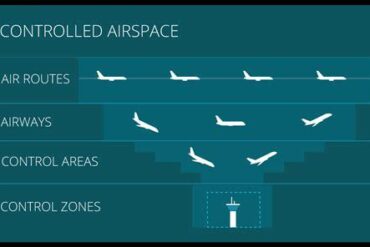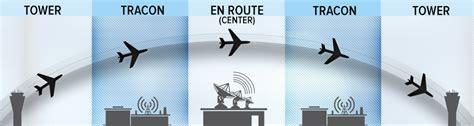
Terminal Radar Approach Control (TRACON) facilities are essential to the safety of air travel in the United States. Operated by the Federal Aviation Administration (FAA), these facilities employ air traffic controllers who manage aircraft as they approach and depart from airports. TRACON controllers typically oversee airspace within a 30- to 50-mile radius of an airport and up to an altitude of 10,000 feet. They ensure safe separation between aircraft in these busy areas.
When an aircraft is about to land and is within five miles of the airport at an altitude below 2,500 feet, TRACON controllers transfer control to the air traffic controllers in the airport tower. Similarly, when departing aircraft leave the TRACON’s controlled airspace, they are handed off to enroute center controllers or Air Route Traffic Control Centers (ARTCC). These ARTCCs manage high-altitude air traffic.
According to the latest FAA Aerospace Forecast, TRACON operations are projected to grow at an average annual rate of 1.1 percent from 2020 to 2040. By 2040, it is estimated that there will be approximately 49.4 million operations per year. This growth highlights the increasing demand for air travel and the vital role TRACON facilities play in maintaining safety and efficiency in our skies.