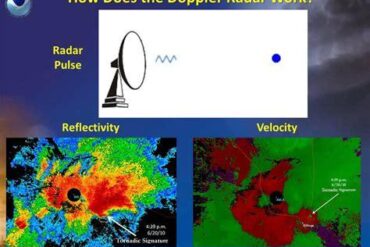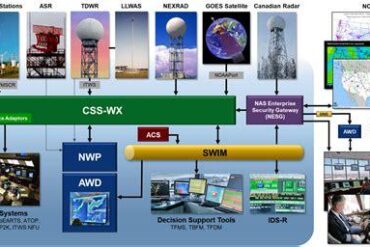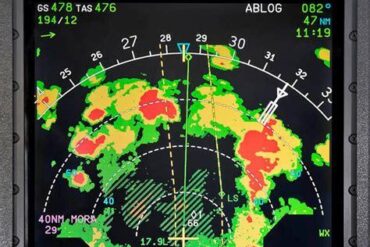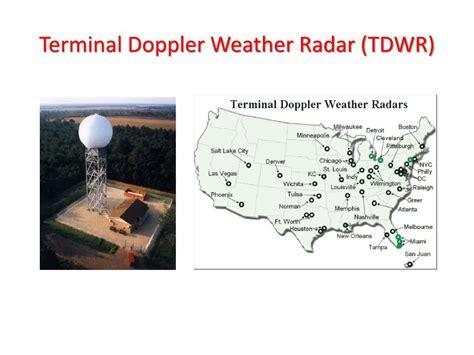
The Terminal Doppler Weather Radar (TDWR) system plays a crucial role in airport safety. It detects and reports hazardous weather conditions around airport approach and departure zones. One key function of the TDWR is to identify low altitude wind shear hazards, which can occur due to microbursts and gust fronts. Additionally, it provides information on precipitation intensities and warns about wind shifts.
TDWR antennas are strategically placed near airports but not on the main site. This positioning allows the radar to operate effectively in the cluttered environments typical of airport areas. To enhance accuracy, the TDWR uses various methods to minimize interference from moving targets like birds, aircraft, and vehicles. This ensures that it can accurately measure wind speed and fluctuations, which are essential for computing low-level wind shear.
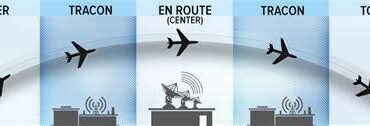
Air traffic controllers (ATCs) rely on TDWR reports to inform pilots about potentially hazardous weather patterns. The use of TDWR began in the USA during the 1990s, where it has progressively replaced older anemometer-based systems for low-level wind shear alerts. Now, TDWR is also being installed in other countries where wind shear and microbursts pose significant risks.