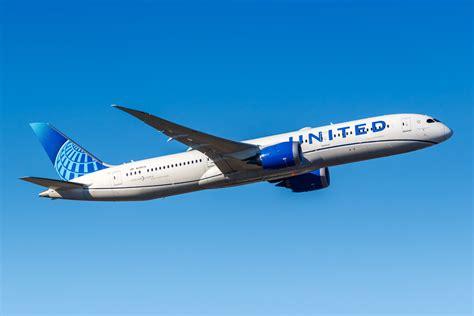
United Airlines’ newest Boeing 787-9 Dreamliner has suffered another operational setback after being grounded once again following reported Traffic Alert and Collision Avoidance System (TCAS) failures. The latest disruption forced the cancellation of a scheduled transatlantic service from London Heathrow Airport (LHR) to San Francisco International Airport (SFO), extending a string of technical problems that have overshadowed the debut of the airline’s flagship premium aircraft. Instead of showcasing United’s latest onboard innovations, the aircraft has become the focus of repeated maintenance efforts and operational uncertainty.
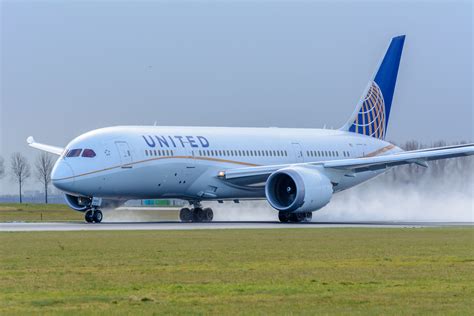
The aircraft, registered N61101, was expected to represent a new chapter for United’s long-haul fleet. Equipped with the airline’s next-generation premium interior, the Dreamliner entered service with significant attention thanks to its redesigned cabins, upgraded entertainment system, and enhanced passenger experience. However, persistent technical issues have prevented the aircraft from settling into a reliable operating schedule, resulting in multiple cancellations, groundings, and maintenance visits since its introduction.
According to aviation industry reports, the latest interruption appears linked to continuing TCAS malfunctions. Although United had not immediately confirmed the exact cause behind the London cancellation, aviation insiders indicated that the collision avoidance system has repeatedly failed despite extensive repair work performed by Boeing engineers. The recurrence of the same issue after multiple maintenance attempts has raised questions about whether a deeper technical fault remains unresolved.
Persistent TCAS Problems Continue Despite Extensive Repairs
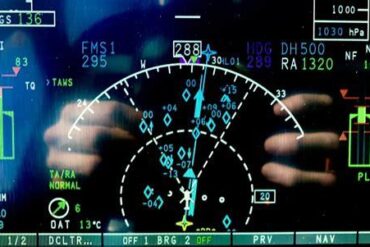
The Traffic Alert and Collision Avoidance System is among the most critical safety technologies installed aboard modern commercial aircraft. The system continuously monitors nearby aircraft, providing pilots with both traffic advisories and resolution instructions designed to prevent midair collisions. Because of its importance, any malfunction generally prevents an aircraft from operating until the issue has been fully addressed.
Reports circulating within aviation communities suggested that both TCAS antennas were replaced during the aircraft’s maintenance visit to Boeing’s Moses Lake facility in Washington. Even after those replacements, the system reportedly failed again shortly after the aircraft resumed international operations. If accurate, the repeated failures indicate that replacing external hardware alone may not have eliminated the underlying problem affecting the aircraft.
The inability to permanently resolve the fault has transformed what initially appeared to be normal entry-into-service adjustments into a much more complicated engineering challenge. Airlines routinely encounter minor issues when introducing new aircraft, but recurring failures involving essential flight systems inevitably attract greater scrutiny from engineers, regulators, and airline operations teams.
London Heathrow Departure Cancelled After Successful Outbound Flight
Following its return from Moses Lake on June 30, the aircraft briefly appeared to be returning to normal service. It first completed a domestic flight between San Francisco and Houston before operating its scheduled long-haul service to London Heathrow on July 2.
The outbound journey proceeded without major disruption. The aircraft departed San Francisco during the evening and completed the approximately ten-hour flight to London as scheduled. Expectations were high that the Dreamliner had finally returned to reliable service after weeks of maintenance.
Those hopes quickly faded when United Flight 939 from London back to San Francisco was canceled before departure. The aircraft remained parked at Heathrow while engineers investigated the reported technical issues. Although replacement components were reportedly installed again, the aircraft remained unavailable as additional inspections continued.
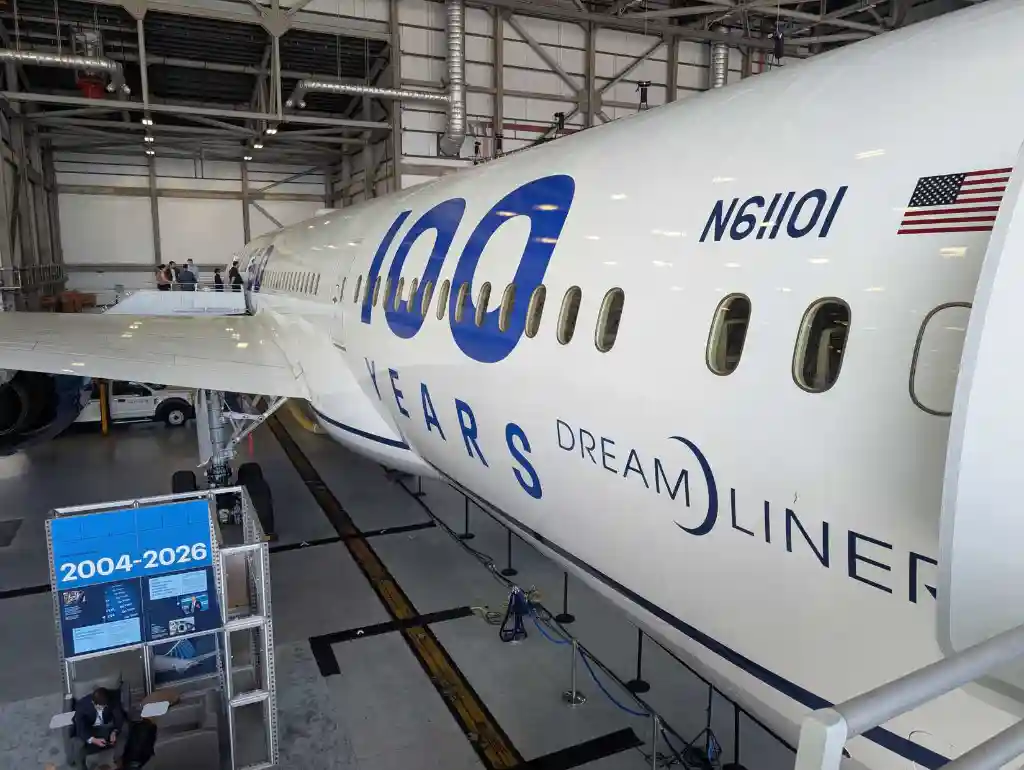
United’s Most Premium Dreamliner Faces Difficult Introduction
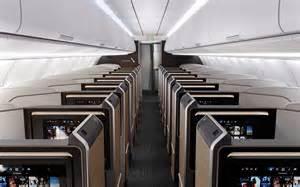
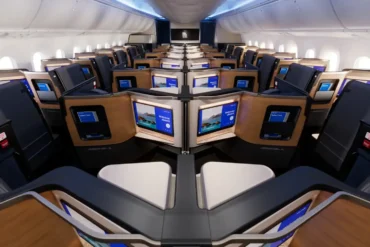
The continued technical interruptions are particularly disappointing because this aircraft represents the most luxurious Boeing 787-9 configuration ever introduced by United Airlines. Designed to elevate the premium travel experience, the aircraft features a substantially redesigned cabin with a greater emphasis on high-yield passengers.
Among its standout features are eight Polaris Studio Suites, 56 Polaris Business Suites, 35 Premium Plus seats, 33 Economy Plus seats, and 90 Economy seats. Compared with previous 787-9 layouts, the redesigned cabin significantly increases premium seating while reducing total economy capacity.
Passengers also benefit from Starlink high-speed Wi-Fi, some of the aviation industry’s largest 4K OLED seatback displays, refreshed cabin finishes, and upgraded premium dining options, including an Ossetra caviar amuse-bouche for Polaris Studio travelers. Collectively, these enhancements were intended to position the aircraft among the most competitive premium widebody cabins flying today.
Boeing and United Continue Monitoring the Aircraft
The aircraft’s repeated interruptions have created frustration not because the cabin product falls short, but because passengers have had few opportunities to consistently experience it. Every cancellation affects scheduling, crew planning, aircraft availability, and customer confidence, particularly on competitive international routes where reliability remains just as important as onboard comfort.
While no evidence currently suggests broader fleet-wide concerns involving United’s other Boeing 787 Dreamliners, the continued attention surrounding N61101 demonstrates how closely both Boeing and United are monitoring its performance. Engineers will likely continue extensive troubleshooting before returning the aircraft to regular long-haul operations.
For now, what was intended to become the flagship of United’s international fleet remains an aircraft still working through significant technical growing pains. Until the recurring TCAS issues are conclusively resolved, the airline’s newest premium Dreamliner will continue attracting attention for its maintenance record rather than its state-of-the-art passenger experience.