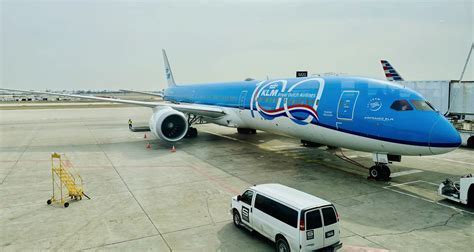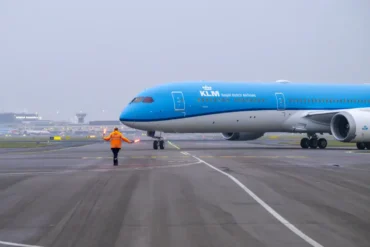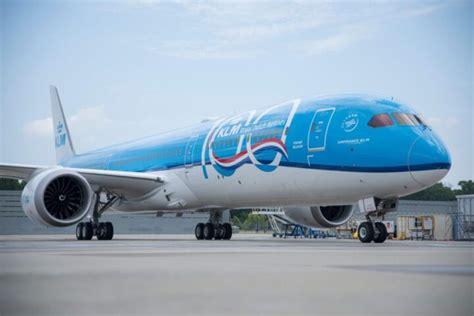
KLM Royal Dutch Airlines faced a severe operational disruption at the start of May 2025, grounding seven of its Boeing 787 Dreamliner aircraft due to improper maintenance procedures. The airline was forced to cancel five major international flights, stranding and delaying hundreds of passengers, as engineers raced to correct the maintenance lapses. This situation has sparked growing concerns around aircraft maintenance oversight, fleet resilience, and the ripple effects on global travel schedules.
Grounding of the Boeing 787 Fleet and Immediate Fallout
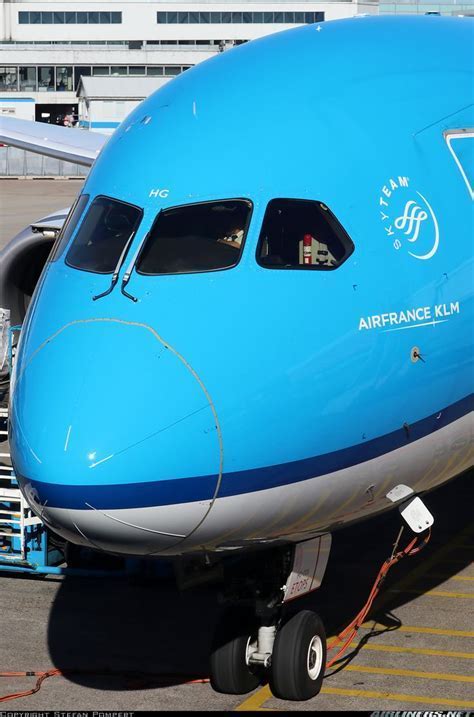
The crisis unfolded on May 3, 2025, when KLM unexpectedly withdrew seven Boeing 787 aircraft from service. These aircraft, which form a crucial backbone of KLM’s long-haul fleet, were found to have undergone incorrect maintenance procedures, prompting an immediate safety response from the airline. Though no direct safety threat was identified, the airline acted swiftly to avoid regulatory non-compliance and potential risk escalations.
As a direct consequence, three transatlantic long-haul flights scheduled for that day were abruptly canceled:
- Amsterdam to Mexico City (MEX)
- Amsterdam to Chicago O’Hare (ORD)
- Amsterdam to Portland (PDX)
In total, over 650 passengers were left stranded at Amsterdam Schiphol Airport (AMS). While those heading to U.S. destinations were eventually rerouted and departed with delays ranging from three to five hours, passengers en route to Mexico City faced a full 24-hour delay, amplifying frustration and logistical challenges.
The disruption did not end there. On May 4, 2025, KLM canceled two additional international flights—one to Shanghai and another to Los Angeles. These cancellations affected approximately 400 more passengers, who had to be rebooked onto later services.
Maintenance Lapse: What Went Wrong?
According to reports from Algemeen Nederlands Persbureau (ANP) and confirmed by KLM, the airline identified that certain parts of the seven Boeing 787s had been subjected to incorrect maintenance procedures. While no immediate safety risks were cited, the airline opted for a precautionary approach, grounding all affected jets and initiating accelerated corrective maintenance.
KLM’s official statement highlighted that the aircraft would remain grounded until all issues were addressed following proper guidelines. A spokesperson stated:
“Although there are no safety risks, the seven aircraft are being maintained at an accelerated pace and will remain on the ground in the meantime.”
This incident has raised questions about the quality control within KLM’s maintenance operations. While the airline has a long-standing reputation for safety and operational excellence, this episode underscores the importance of meticulous procedural adherence, especially with advanced aircraft like the Dreamliner, known for their complex systems and reliance on cutting-edge materials and design.
Operational and Financial Impact on KLM
The sudden grounding of nearly half of KLM’s Dreamliner fleet represents a significant operational setback. The Boeing 787-9 and 787-10 variants are among the most fuel-efficient aircraft in the airline’s long-haul arsenal, operating key routes to North America, Asia, and Latin America. With seven out of service, KLM’s scheduling matrix has been strained, leading to route reshuffling, overbookings, and limited spare capacity.
The financial toll is still being calculated, but immediate repercussions include:
- Rebooking costs and hotel accommodations for delayed or stranded passengers.
- Aircraft leasing or substitution to maintain route commitments.
- Increased workload for maintenance teams, potentially involving overtime and outsourced labor.
- Brand impact, as reputation-sensitive travelers reassess future bookings.
Analysts estimate that the disruptions could cost KLM several million euros, especially if maintenance timelines extend further into the month.
Passenger Experience and Public Sentiment
Passengers affected by the cancellations took to social media to express their dismay. Many were critical of communication gaps from the airline, reporting inconsistent updates, lack of on-site support at Schiphol, and delays in rebooking confirmations.
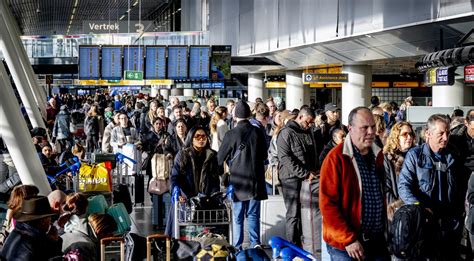
Despite the chaos, some travelers praised individual KLM staff for their efforts to provide assistance under pressure. However, the overall sentiment leaned negative, with complaints centering on:
- Last-minute notifications of cancellations.
- Delayed luggage returns for canceled flights.
- Inadequate food and lodging arrangements for overnight delays.
This event underscores how even technically non-critical maintenance issues can cascade into major public relations challenges, especially in a hyper-connected world where each mishap becomes instantly visible.
Aviation Industry Implications and Regulatory Response
The KLM maintenance episode also casts a spotlight on broader concerns across the aviation industry. With airlines relying heavily on sophisticated composite-body aircraft like the 787, maintenance procedures must match the technical sophistication of the aircraft.
The European Union Aviation Safety Agency (EASA) and Dutch Civil Aviation Authority (ILT) are expected to review the root causes of the KLM lapse. While KLM has stated that internal investigations are underway, the potential for external regulatory audits looms, particularly if the cause involves systemic issues rather than isolated oversight.
Moreover, this incident may serve as a catalyst for:
- Revising maintenance protocols for new-generation aircraft.
- Increased documentation requirements and real-time tracking of procedures.
- Stricter accountability measures for airline engineering departments.
KLM’s Recovery Strategy and Fleet Adjustments
KLM has initiated an accelerated recovery protocol, aiming to bring the grounded aircraft back online as quickly and safely as possible. While timelines remain fluid, insiders report that at least three aircraft may be airworthy within two weeks, provided parts and personnel remain available.
The airline is also exploring options to wet lease aircraft from partner airlines within the Air France–KLM Group, especially for high-demand routes like New York, San Francisco, and São Paulo. However, fleet harmonization challenges and pilot certification mismatches can make this a slow and costly process.
KLM is further prioritizing routes based on:
- Passenger load factors
- Cargo commitments
- Strategic network importance
Flights to hub partners and alliance-critical destinations are being safeguarded, while less frequent long-haul routes may face temporary consolidation.
Looking Ahead: Building Resilience and Trust
This episode has become a pivotal moment for KLM, not only from an operational standpoint but also in terms of customer trust and corporate resilience. The swift grounding of the 787s—despite no clear safety danger—signals a commendable adherence to precautionary principles, but also reveals vulnerabilities in maintenance compliance that must be urgently addressed.
For travelers and industry stakeholders alike, this serves as a reminder that in aviation, maintenance reliability is as critical as in-flight safety. The path forward for KLM lies in rebuilding operational consistency, reinforcing engineering protocols, and enhancing passenger communication frameworks.
As the grounded Dreamliners gradually return to service, all eyes will remain on how the airline restores its schedule and reputation. In the competitive world of global aviation, moments like this can define—or redefine—a carrier’s standing.