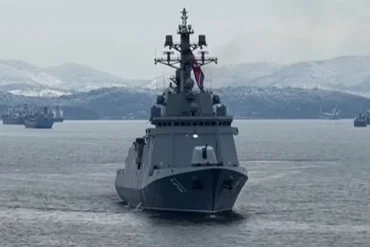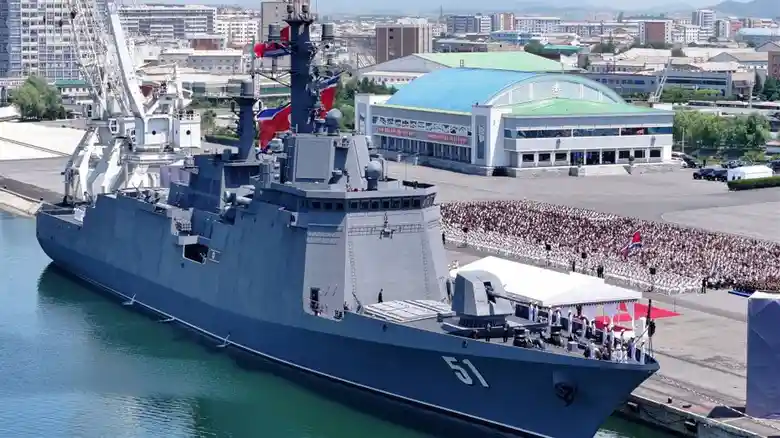
North Korea has officially entered a new phase of naval modernization with the deployment of the Choe Hyon-class guided-missile destroyer, the largest and most heavily armed warship ever commissioned by the country. After years of development, testing, and refinement, the vessel has now joined the Korean People’s Navy, signaling Pyongyang’s determination to transform what was once considered a largely coastal defense force into a navy capable of projecting greater regional influence.
The commissioning of the 5,000-ton destroyer represents more than the addition of another combat vessel. It reflects North Korea’s broader military ambitions, emphasizing domestic shipbuilding capabilities, expanded missile integration, and long-term naval growth. With additional destroyers already under construction, the Choe Hyon serves as the foundation for an increasingly ambitious maritime strategy.
Although North Korea’s navy has historically lagged behind regional rivals in terms of technology and blue-water capabilities, recent investments indicate that the country’s leadership intends to narrow that gap. The deployment of its first operational destroyer demonstrates that naval modernization has become a strategic priority alongside missile and nuclear weapons development.
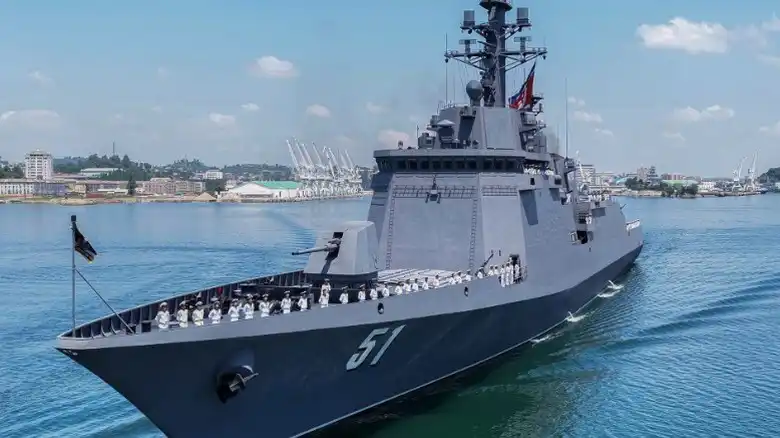
Choe Hyon-Class Destroyer Becomes North Korea’s Largest Warship
The Choe Hyon-class destroyer displaces approximately 5,000 tons, measures around 384 feet (117 meters) in length, and has a beam of roughly 52 feet (16 meters). These dimensions make it comfortably the largest surface combatant ever produced by North Korea, eclipsing every previous vessel built for its navy.
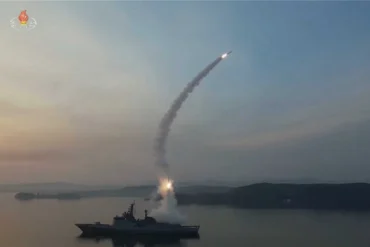
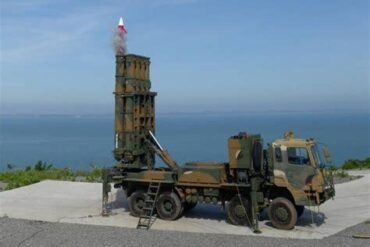
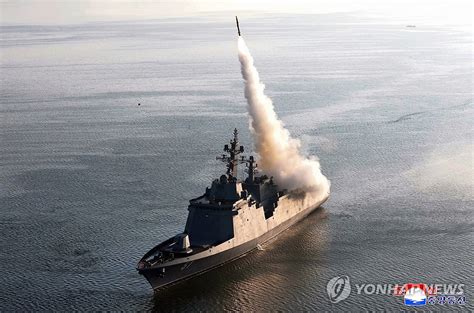
Its impressive size allows the ship to carry a remarkably diverse weapons package. Reports indicate the destroyer is equipped with 88 vertical launch cells, eight inclined missile launchers, eight short-range defensive missiles integrated with its close-in weapon system, and storage capacity for as many as 104 missiles across multiple categories. The vessel also features a 127mm naval gun, dual six-barrel 30mm rotary cannons, and ten twin 23mm gun mounts, creating layered offensive and defensive capabilities rarely seen in previous North Korean surface ships.
A Year of Testing Before Operational Service
Although the destroyer was formally delivered to the Korean People’s Navy in April 2025, it did not immediately enter active service. Instead, the vessel underwent more than a year of sea trials, weapons evaluations, system modifications, and technical improvements before officially becoming operational in June 2026.
This extended testing period suggests that North Korea prioritized refining the ship’s performance rather than rushing it into service. Such an approach reflects the complexity of integrating advanced missile launch systems, sensors, and combat management technology into an entirely new class of warship.
Kim Jong Un Outlines an Ambitious Naval Expansion
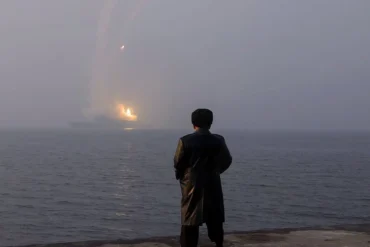
The Choe Hyon is only the beginning of a much larger naval modernization program. During the deployment ceremony, Kim Jong Un described the destroyer’s commissioning as a historic turning point after decades of limited naval progress and emphasized plans for sustained expansion.
North Korea intends to field four Choe Hyon-class destroyers, with another vessel, Kang Kon, currently undergoing additional testing after being recovered and repaired following a capsizing incident during its launch in 2025. Two more ships of similar capability remain under construction.
Looking further ahead, Pyongyang has announced ambitions to build 10,000-ton warships, establish a production pace of two major combat ships annually, and construct new naval bases and port facilities to support a growing fleet.
Strategic Implications for Regional Security
The deployment of the Choe Hyon-class destroyer does not instantly place North Korea among the world’s leading naval powers, but it significantly alters the trajectory of its maritime development. Combined with expanding missile capabilities and continued investment in domestic shipbuilding, the new destroyer highlights an effort to create a more credible surface fleet capable of supporting broader military objectives.
As additional destroyers enter service and larger warships move from concept to construction, North Korea’s navy is evolving from a predominantly coastal force into one with increasingly sophisticated combat capabilities. The Choe Hyon therefore represents not simply a new warship, but the opening chapter of a long-term naval transformation that could reshape security calculations across Northeast Asia.