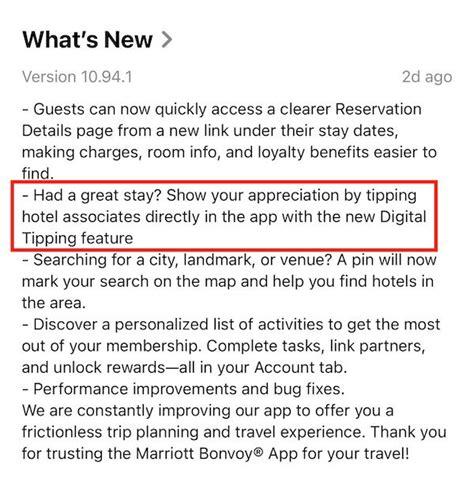
The hospitality industry has been undergoing rapid digital transformation, and Marriott International is now testing a feature that could significantly reshape how guests interact with hotel staff. The company recently rolled out a digital tipping option inside the Marriott Bonvoy mobile app, allowing guests to tip hotel employees directly from their smartphones. While the concept aims to modernize an age-old hospitality practice, it has also ignited a lively debate among travelers and industry observers about whether it improves service culture or simply expands tipping expectations.
For decades, tipping in hotels relied on cash placed in envelopes, left on nightstands, or handed directly to staff. However, as society increasingly shifts toward cashless payments, traditional tipping methods have become less practical. Marriott’s new system attempts to bridge that gap by giving guests a fast, digital way to show appreciation for hotel services without needing physical money.
The rollout began in late 2025 and has already appeared at many Marriott properties across the United States and Canada. The feature is embedded directly within the Marriott Bonvoy app, where guests can choose to tip different hotel departments during or after their stay.
How Marriott’s Digital Tipping Feature Works
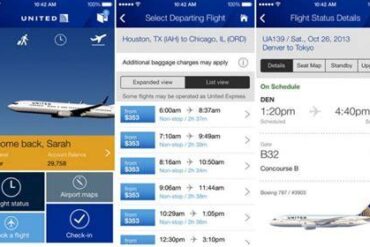
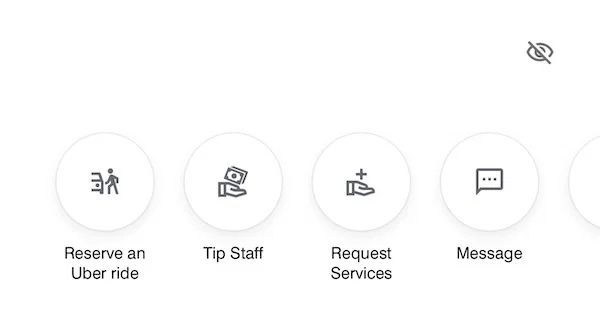
The process behind Marriott’s digital tipping system is straightforward, though not entirely seamless. When guests open the Marriott Bonvoy app during a stay at participating properties, they may see a “Tip Staff” button prominently displayed in the interface.
Selecting this option opens a menu where guests can choose which department they want to tip. Available options typically include:
- Front desk
- Housekeeping
- Food and beverage staff
- Valet services
- Maintenance
- Bell staff
- Breakfast service teams
After selecting a department, the guest enters their room number and the amount they wish to tip. The payment is processed immediately using either Apple Pay or a credit card, making the transaction quick and relatively convenient.
One notable detail is that these payments are processed separately from the guest’s hotel bill. The tips do not appear on the final folio, nor do they qualify for Marriott Bonvoy loyalty points. Instead, the system operates through Canary Technologies, a hospitality software platform that manages the transaction behind the scenes.
Small Fees Raise Big Questions
While the convenience of digital tipping is appealing, the system introduces an extra element: processing fees. Guests have the option to cover these fees themselves or allow them to be deducted from the tip amount.
Typical examples include:
- A $5 tip may include a $0.46 fee
- A $10 tip may include a $0.61 fee
- A $20 tip may include a $0.91 fee
These fees might appear minor at first glance, but they highlight a broader question surrounding digital tipping systems: Who ultimately pays for convenience?
In many cases, guests may feel obligated to absorb the cost, especially if they want staff to receive the full amount.
The Growing Culture of Digital Gratuities
The emergence of Marriott’s in-app tipping reflects a much larger trend across the service industry. Restaurants, ride-sharing apps, food delivery platforms, and even coffee shops have embraced digital tipping prompts, often appearing directly on payment screens.
Hotels have historically been slower to adopt these technologies, relying instead on traditional tipping etiquette. Yet the shift toward cashless travel has made older practices increasingly inconvenient.
Many travelers now find themselves in situations where they want to tip housekeeping or a shuttle driver but lack small bills or change. In some hotels, even the front desk may not have the ability to break a large bill.
Digital tipping attempts to solve that problem by allowing guests to send money instantly, without needing to carry cash.
From this perspective, Marriott’s feature can be seen as an attempt to modernize hospitality payments and align them with broader consumer habits.
Critics Warn About “Tip Creep”
Despite its convenience, the new feature has sparked concern among travelers who worry about expanding tipping expectations.
Critics argue that making tipping easier could gradually shift more labor costs onto guests. If tipping becomes integrated into the hotel app itself, some fear it may subtly encourage guests to tip for services that traditionally did not involve gratuities.
The inclusion of categories such as front desk staff, for example, has raised eyebrows. While tipping housekeeping or bell staff is widely accepted, tipping a receptionist has historically been far less common.
This phenomenon, sometimes called “tip creep,” refers to the gradual expansion of tipping prompts into areas where gratuities were once optional or rare.
For some travelers, the concern is less about generosity and more about changing expectations. When digital prompts appear during routine interactions, the line between appreciation and obligation can quickly blur.
A Practical Tool With Imperfect Execution
Another issue with Marriott’s implementation is that the system focuses on departments rather than individuals. Guests who want to reward a specific employee—for example, a housekeeper who provided exceptional service—cannot easily ensure that the tip reaches that particular person.
Instead, the money is distributed within the department, potentially diluting the direct recognition that tipping traditionally provides.
Additionally, the experience within the app is not entirely frictionless. In many cases, the Marriott Bonvoy interface simply redirects users to the third-party tipping platform, requiring them to enter payment details manually rather than completing the process with a single tap.
For a feature designed to feel modern and intuitive, this extra step can make the process feel somewhat clunky.

What This Means for the Future of Hotel Service
Marriott’s digital tipping experiment reflects a broader shift occurring throughout the hospitality industry. As hotels continue integrating mobile apps into every stage of the guest journey—from mobile check-in to digital room keys—adding tipping to the same ecosystem may seem like a natural progression.
Yet the conversation surrounding this feature reveals deeper questions about service culture, employee wages, and guest expectations. Some travelers welcome the convenience of cashless appreciation, while others worry about normalizing gratuity requests in more situations.
What remains clear is that digital tipping is unlikely to disappear. As payment technology evolves and travelers rely increasingly on smartphones, hotels will continue exploring ways to integrate gratuities into digital experiences.
For Marriott, the challenge will be refining the system so it feels thoughtful rather than intrusive, giving guests the option to reward great service without creating the sense that tipping has become another unavoidable part of the travel experience.
In the end, the success of Marriott’s digital tipping feature may depend less on the technology itself and more on how carefully it balances convenience, fairness, and hospitality tradition.