Modern airliners are often judged by statistics. Airlines compare fuel burn, manufacturers advertise range figures, and industry analysts debate payload capacities. Yet none of those numbers fully capture what matters most to the people sitting at the controls. For pilots, the first flight in a brand-new aircraft is an experience that goes far beyond performance charts and technical brochures. It is a process of discovering how the airplane behaves, communicates, and responds in the real world.
Every aircraft possesses a unique personality. Even two aircraft designed for similar missions can feel dramatically different from the cockpit. Differences in flight-control systems, automation architecture, engine characteristics, cockpit design, and ground handling all combine to create an experience that pilots immediately recognize. As aviation technology has evolved from mechanical controls to highly computerized fly-by-wire systems, these distinctions have become even more noticeable.
When pilots step into a factory-fresh aircraft for the very first time, there are several characteristics that stand out almost immediately. These impressions often shape their confidence, workload, and overall relationship with the aircraft long before they become fully familiar with its systems.
Flight-Control Feel Reveals the Aircraft’s Personality
The moment an aircraft rotates off the runway and lifts into the sky, pilots begin forming impressions that no simulator session can fully replicate. The first turns, climbs, and attitude changes reveal how the aircraft truly behaves in flight. While technical manuals describe performance characteristics in precise terms, actual handling qualities create an entirely different level of understanding.
Some aircraft respond instantly to small control inputs. Others display a more deliberate and stable nature, requiring larger or smoother movements to achieve the same result. These differences are influenced by numerous design factors, including wing geometry, control-surface effectiveness, aircraft weight, center-of-gravity positioning, and overall aerodynamic philosophy.
For pilots transitioning into a new aircraft type, the sensation of control is often one of the most memorable first impressions. Traditional aircraft equipped with mechanical linkages provide direct feedback through the controls. Pilots can physically feel aerodynamic forces acting against the yoke or control column, creating a strong connection between pilot and machine.
Modern fly-by-wire aircraft introduce a fundamentally different experience. Instead of directly moving control surfaces, pilots input commands that are interpreted by sophisticated flight-control computers. The system then determines the most appropriate control-surface movements to achieve the desired result.
This distinction becomes especially apparent when comparing Airbus and Boeing aircraft. Airbus designed its fly-by-wire philosophy around flight-envelope protections and computerized management of pilot inputs. The aircraft interprets commands based on intended outcomes rather than direct surface movements. Boeing, while embracing fly-by-wire technology on aircraft such as the 777 and 787, has generally sought to preserve handling characteristics familiar to pilots transitioning from earlier generations.
For many pilots, the first few minutes airborne provide a surprisingly accurate preview of the aircraft’s overall personality.
Cockpit Ergonomics Shape the Entire Flying Experience
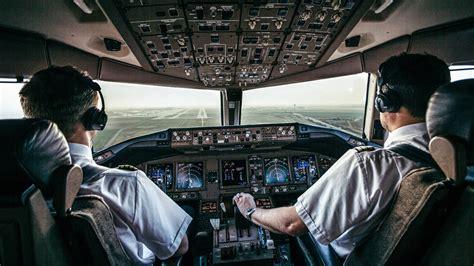
A new aircraft does not need to leave the gate before pilots begin evaluating its design. The moment they settle into their seats, they start assessing how effectively the cockpit supports their work.
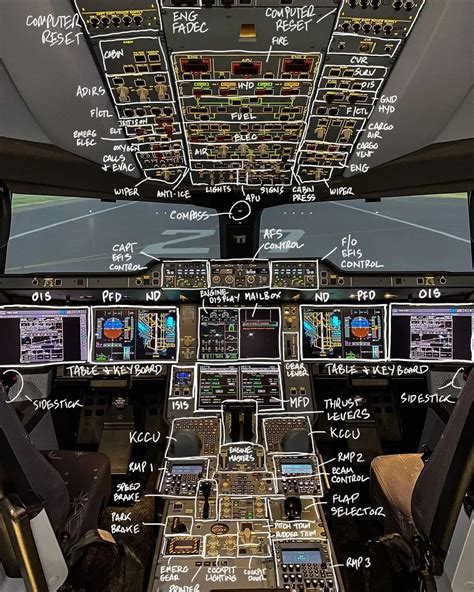
Modern flight decks contain an immense amount of information. Navigation data, engine parameters, weather radar, traffic awareness systems, terrain alerts, flight management functions, and aircraft health monitoring systems all compete for attention. The challenge for aircraft designers is ensuring that critical information remains accessible without overwhelming the crew.
Pilots quickly notice whether displays are intuitive or confusing. They assess how easily they can locate vital information during high-workload phases such as takeoff, approach, and landing. A well-designed cockpit minimizes unnecessary head movement, reduces visual clutter, and allows pilots to process information rapidly under pressure.
The differences between manufacturers become obvious almost immediately. Airbus aircraft utilize side-stick controllers that eliminate the traditional control column. This creates additional space in front of pilots and contributes to a cleaner cockpit environment. Boeing has largely retained the central control yoke, believing that visible control movements provide valuable cues between crew members.
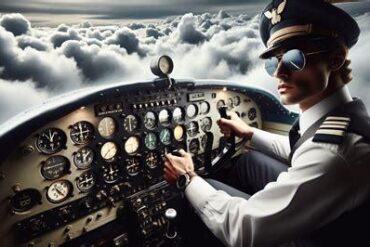
Beyond the control philosophy, digital technology has transformed cockpit ergonomics. Older aircraft relied on dozens of individual analog instruments spread throughout the flight deck. Pilots constantly scanned gauges to build a mental picture of the aircraft’s status. Today’s glass cockpits consolidate vast amounts of information onto a handful of large digital displays.
This evolution significantly enhances situational awareness. Navigation routes, weather systems, traffic information, engine performance, and aircraft systems can all be viewed through integrated interfaces. However, it also requires pilots to think differently. Instead of interpreting isolated instruments, they interact with sophisticated information-management systems.
The first flight often reveals whether this interaction feels natural or requires additional adaptation.
Engine Response Creates Immediate First Impressions
Few sensations are as memorable as advancing the thrust levers for takeoff in an unfamiliar aircraft. Regardless of training experience, pilots quickly recognize differences in how engines deliver power and how the aircraft responds.
Engine behavior influences nearly every phase of flight. During takeoff, pilots assess acceleration characteristics and thrust delivery. During climb, they evaluate how smoothly power translates into performance. During descent and landing, they learn how rapidly the aircraft responds to thrust adjustments.
Modern aircraft engines vary considerably despite sharing similar objectives. General aviation aircraft equipped with piston engines provide relatively immediate throttle response. Turboprop aircraft deliver strong low-speed performance and exceptional efficiency on regional routes. Large commercial jets rely on high-bypass turbofan engines that prioritize fuel economy, reliability, and noise reduction.
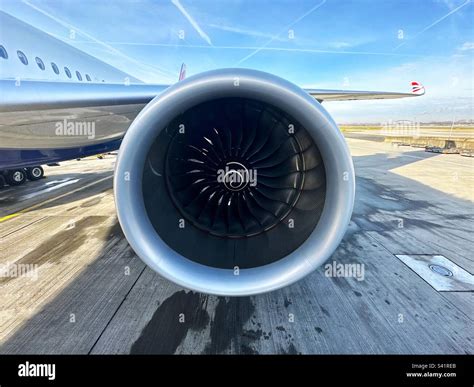
High-bypass turbofan technology has transformed commercial aviation. Rather than generating thrust primarily through the engine core, these engines accelerate massive volumes of air around the core using large front fans. This design dramatically improves efficiency while reducing fuel consumption and noise.
Pilots often notice that modern high-bypass engines respond differently from earlier generations. While they produce enormous thrust, spool-up characteristics can feel more gradual than older engines. Understanding these nuances becomes particularly important during approach and landing, where precise power management directly affects aircraft performance.
Engine count also influences handling characteristics. Pilots transitioning from single-engine aircraft to twins immediately recognize increased redundancy and different control considerations. Similarly, moving between twin-engine and four-engine aircraft introduces noticeable changes in performance planning and engine management philosophy.
The relationship between pilot inputs and engine response becomes one of the defining characteristics of any new aircraft type.
Ground Handling Often Reveals More Than Flight Performance
Many pilots argue that an aircraft begins revealing its true character long before takeoff. Taxiing around an airport provides a surprisingly accurate introduction to how the aircraft behaves.
Ground handling combines numerous factors, including steering responsiveness, brake effectiveness, cockpit visibility, turning radius, and overall maneuverability. These characteristics become particularly important at congested airports where precision is essential.
Pilots quickly notice how much anticipation is required during taxi operations. Smaller aircraft generally react immediately to steering inputs and can navigate tight spaces with relative ease. Larger aircraft demand more planning due to greater momentum, wider turning circles, and longer stopping distances.
The relationship between aircraft size and ground behavior becomes especially noticeable in modern widebody aircraft. Despite weighing hundreds of tons, some newer designs exhibit remarkably refined handling characteristics thanks to advanced steering systems and improved cockpit visibility.
Braking performance also leaves a strong first impression. Earlier generations of aircraft relied on relatively simple braking systems. Modern aircraft employ sophisticated technologies including anti-skid protection, automatic braking modes, electronic brake controls, and real-time brake temperature monitoring.
These systems contribute significantly to safety, but they also create unique handling sensations. Pilots learn how aggressively brakes respond, how smoothly deceleration occurs, and how effectively automated systems manage stopping performance.
The first landing often serves as the ultimate test. It provides immediate feedback on brake feel, directional control, and overall aircraft behavior during one of the most demanding phases of flight.
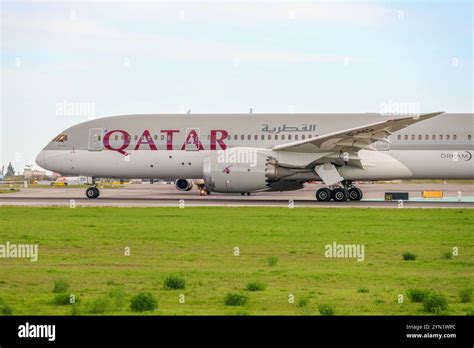
Automation Logic Determines How the Aircraft Thinks
Perhaps the most significant difference pilots encounter in modern aircraft is not physical at all. Instead, it lies within the aircraft’s digital brain.
Today’s commercial aircraft function as highly integrated information systems. Flight-management computers, autopilot systems, autothrust functions, navigation databases, and monitoring systems continuously process enormous quantities of data. Understanding these systems often presents a greater challenge than learning the physical controls.
Pilots frequently describe automation as the aircraft’s thought process. The challenge is understanding not only what the aircraft is doing but why it has chosen a particular action.
Different manufacturers approach this challenge in unique ways. Some systems assume a highly active role in managing aircraft performance and operational limits. Others are designed to keep pilots more directly involved in decision-making processes.
These philosophical differences become apparent during routine operations. Entering a route modification, adjusting speed targets, changing altitude constraints, or managing descent profiles can produce different outcomes depending on the aircraft’s automation architecture.
The Airbus A320 family played a pivotal role in establishing highly integrated automation as an industry standard. Subsequent generations of aircraft expanded these capabilities even further, introducing increasingly sophisticated flight-management and monitoring functions.
Meanwhile, Boeing adopted a more gradual transition strategy. Aircraft such as the 777 and 787 introduced advanced fly-by-wire technology while maintaining certain operational philosophies familiar to long-time Boeing pilots.
For pilots experiencing a new aircraft for the first time, mastering automation often becomes the defining challenge. Modern aircraft are remarkably capable, but they demand a deep understanding of system logic. The most successful pilots learn not only how to operate the aircraft but how to anticipate its decisions.
Why First Impressions Matter More Than Specifications
Technical specifications remain important. Airlines care about fuel efficiency, manufacturers focus on performance advantages, and passengers appreciate improvements in comfort and reliability. Yet from a pilot’s perspective, the true character of an aircraft emerges through experience rather than numbers.
Flight-control feel, cockpit ergonomics, engine response, ground handling, and automation logic combine to create a unique operational identity. These factors influence workload, situational awareness, confidence, and ultimately safety.
A brand-new aircraft may boast industry-leading performance figures, but pilots form their strongest impressions through direct interaction. The first takeoff, the first turn, the first landing, and the first encounter with the aircraft’s automation systems reveal qualities that no brochure can adequately describe.
As aviation continues evolving toward increasingly advanced digital technologies, these first impressions become even more significant. Modern aircraft are no longer simply machines that pilots fly. They are intelligent systems that pilots collaborate with, making the understanding of their behavior more important than ever before.
For every pilot stepping into a new cockpit, that first flight remains a fascinating blend of discovery, adaptation, and professional curiosity—an opportunity to learn how an entirely new aircraft thinks, feels, and performs in the skies.