Flying on a private jet has long represented the highest tier of luxury travel, a privilege associated with billionaires, celebrities, corporate executives, and royalty. Yet an unexpected shift is unfolding across Europe’s busiest business aviation corridors. On one of the continent’s most heavily traveled routes—Paris to London—chartering an entire private aircraft can now cost less than purchasing a single commercial first class ticket to New York.
At first glance, the comparison seems absurd. One journey covers barely an hour in the air while the other crosses the Atlantic Ocean. However, today’s private aviation market operates under very different economic dynamics than commercial airlines. Digital charter platforms, increased aircraft availability, operational efficiencies, and fierce competition among brokers have significantly reduced prices on short European sectors.
The result is a remarkable pricing anomaly that has transformed how affluent travelers evaluate premium travel. Instead of comparing business class with first class, many are now comparing commercial first class against an entire private aircraft.
For travelers flying in groups, the mathematics have become even more compelling.
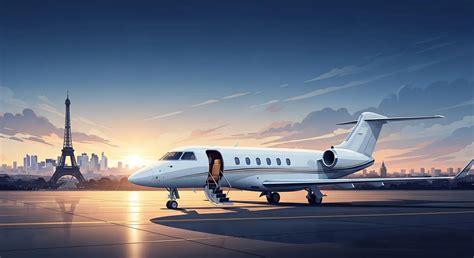
Why Short European Private Flights Have Become Surprisingly Affordable
Private aviation has not suddenly become inexpensive. Instead, specific market conditions have pushed down prices on short-haul European routes while leaving long-haul charter costs largely untouched.
The Paris–London market is among Europe’s busiest business aviation sectors. Every day, aircraft reposition between airports serving corporate clients, financial institutions, diplomatic missions, luxury tourism, and entertainment industries. Rather than flying empty during repositioning legs, charter operators increasingly sell those available flights through digital marketplaces that match aircraft with last-minute travelers.
Competition has intensified as online brokerage platforms provide instant pricing across hundreds of certified operators. Instead of relying on traditional charter brokers working through lengthy quotation processes, customers can now compare aircraft availability within minutes.
This greater transparency has placed downward pressure on pricing, especially for smaller aircraft where demand is highly competitive.
For passengers willing to remain flexible regarding departure times or airport selection, the savings can be substantial.
Current Charter Prices Between Paris And London
According to recent private aviation pricing estimates, charter costs now vary primarily according to aircraft size rather than route popularity.
Typical pricing includes:
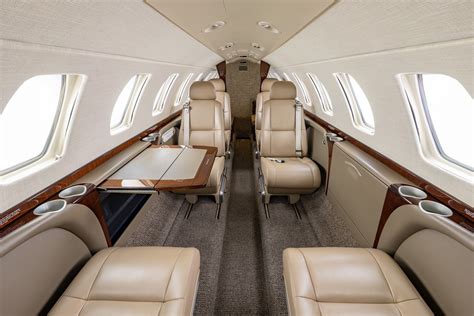
- Light jets: approximately €4,500 ($5,265) carrying four to seven passengers.
- Midsize jets: around €7,500 ($8,775) for seven to nine passengers.
- Heavy jets: roughly €12,000 ($14,040) accommodating ten to sixteen travelers.
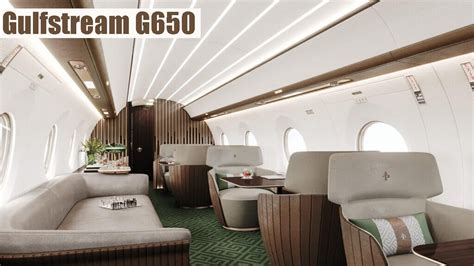
- Ultra-long-range aircraft: approximately €20,000 ($23,400) for twelve to nineteen passengers.
Aircraft commonly operating these categories include the Citation CJ3, Phenom 300, Learjet 45, Citation XLS, Hawker 800, Bombardier Challenger 605, Gulfstream G450, Legacy 650, Gulfstream G650, Global 7500, and Falcon 8X.
While these figures initially appear expensive, dividing the charter cost among multiple passengers changes the equation dramatically.
A €4,500 light jet carrying six passengers effectively costs about €750 per traveler, placing private aviation within reach of travelers who might otherwise purchase flexible business class tickets.
Why Commercial First Class Can Cost Even More
Meanwhile, commercial airline first class has become increasingly exclusive.
Several major airlines have eliminated first class entirely, replacing it with enhanced business class cabins. Those that continue offering genuine first class products position them as flagship luxury experiences rather than premium transportation.
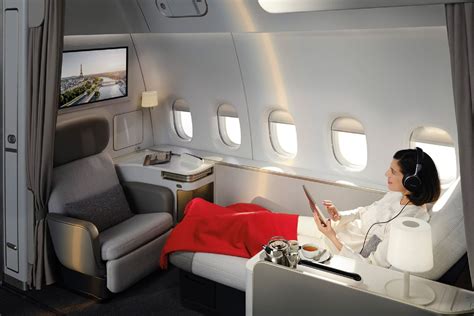
Air France’s La Première, British Airways First, and Lufthansa First continue attracting travelers seeking privacy, fine dining, chauffeur services, exclusive lounges, and dedicated airport handling.
These experiences come at a considerable price.
Fully flexible first class fares between Paris and New York frequently range between $10,000 and $20,000, depending on travel dates and availability.
Those figures place a single first class ticket well above the cost of chartering many smaller private jets for short European sectors.
This comparison highlights how commercial airline pricing reflects far more than flight distance. Airlines charge for exclusivity, premium branding, limited seat availability, and high-end ground services.
The Economics Behind Lower Charter Prices
Private aviation pricing differs fundamentally from airline ticket pricing.
Commercial airlines maximize revenue through sophisticated yield management systems, selling thousands of seats while adjusting prices according to demand forecasts.
Private charter operators instead focus on maximizing aircraft utilization.
An aircraft sitting idle generates no revenue while continuing to incur financing, maintenance, insurance, and staffing costs.
Consequently, operators often prefer accepting lower charter rates rather than allowing aircraft to remain parked.
Several factors significantly influence pricing:
- Aircraft positioning requirements.
- Airport landing charges.
- Seasonal demand.
- Crew scheduling.
- Fuel prices.
- Aircraft availability.
- Charter duration.
- Parking fees.
- International handling charges.
Unlike airline tickets, every charter quotation reflects operational realities unique to each individual trip.
Airport Choice Can Dramatically Affect Pricing
Another important contributor to lower charter costs involves airport selection.
Business aviation rarely uses Europe’s largest commercial terminals unless necessary.
Instead, private travelers frequently depart from airports designed specifically for executive aviation.
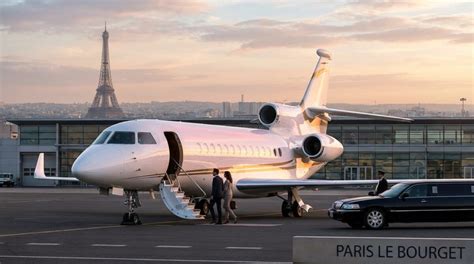
Around Paris, Le Bourget Airport remains Europe’s premier business aviation hub. Its lower congestion and specialized infrastructure make it considerably more efficient for private operations than Charles de Gaulle Airport.
Likewise, London’s private aviation market is served by airports including Farnborough, Biggin Hill, Luton, and London City, each offering varying operational costs and convenience.
Selecting a less expensive airport can reduce charter quotations without affecting flight time significantly.
These operational savings frequently pass directly to customers.
What A Private Jet Charter Actually Includes
Many first-time charter customers assume the quoted price covers only aircraft rental.
In reality, most quotations include considerably more.
Standard charter pricing generally incorporates:
- Professional flight crew.
- Aircraft fuel.
- Insurance.
- Landing fees.
- Handling services.
- Parking costs.
- Basic onboard refreshments.
- Flight planning.
- Operational permits.
Optional extras remain available for customers seeking enhanced experiences.
Premium catering, luxury ground transportation, special security arrangements, overnight crew accommodation, de-icing procedures during winter operations, and concierge services may all incur additional charges.
For flights lasting barely one hour between Paris and London, however, elaborate catering often adds little value.
Passengers generally prioritize speed and convenience instead.
Flexibility Is The Biggest Cost Advantage
Perhaps the greatest driver of lower charter pricing is passenger flexibility.
Travelers booking weeks in advance typically gain access to the largest aircraft selection.
Those able to depart slightly earlier or later than planned often unlock even better pricing.
Round-trip bookings can further reduce average costs because operators avoid repositioning empty aircraft between destinations.
Conversely, last-minute requests during peak periods—including events such as the Cannes Film Festival, Monaco Grand Prix, Paris Fashion Week, or major sporting competitions—can increase prices by 20 to 40 percent.
Demand spikes rapidly whenever Europe’s luxury travel calendar becomes particularly busy.
Why Long-Haul Private Flying Remains Extremely Expensive
The affordability seen on Paris–London simply does not extend across the Atlantic.
Flying privately between London and New York requires aircraft with significantly greater range, payload capability, fuel capacity, and operational complexity.
Aircraft such as the Citation Longitude, Gulfstream G280, Bombardier Challenger, Global series, and Gulfstream G650 are specifically designed for these missions.
Typical charter pricing remains substantial:
- Super-midsize aircraft: $85,000–$120,000
- Heavy jets: up to $180,000
- Ultra-long-range aircraft: $250,000 or more
Even among wealthy travelers, these costs typically make sense only when several passengers share the aircraft or when flexibility outweighs financial considerations.
Unlike short European flights, there is little evidence that transatlantic charter pricing is undergoing a similar correction.
Private Jet Ownership Is A Completely Different Financial Commitment
Chartering may appear expensive, but ownership operates on another financial level altogether.
Purchasing even a modest light jet generally requires an investment between £3.5 million and £5 million, while midsize aircraft often exceed £6 million to £9 million.
Modern flagship aircraft such as the Gulfstream G650 regularly cost more than $45 million before entering service.
Ownership expenses continue long after acquisition.
Annual costs typically include:
- Maintenance inspections.
- Insurance.
- Hangar rental.
- Crew salaries.
- Aircraft management.
- Navigation fees.
- Software subscriptions.
- Regulatory compliance.
- Engine reserves.
- Component overhauls.
Operating expenses alone frequently range between £1,000 and £2,500 per flight hour, while routine maintenance can reach hundreds of thousands of pounds annually.
Unless owners fly extensively throughout the year, chartering remains substantially more economical.
Why First Class And Private Aviation Serve Different Travelers
Although pricing occasionally overlaps, first class and private aviation deliver fundamentally different experiences.
Commercial first class emphasizes luxury within an airline ecosystem.
Passengers enjoy premium lounges, gourmet dining, spacious suites, attentive cabin crews, and exceptional onboard service while following scheduled departures.
Private aviation eliminates nearly every traditional airport inconvenience.
Passengers often arrive minutes before departure, avoid lengthy security queues, select their own schedule, choose preferred airports, travel directly to waiting aircraft, and land closer to final destinations.
For business executives whose time carries significant financial value, these efficiencies frequently justify higher costs.
For leisure travelers flying alone, however, first class often remains the more sensible option.
When Does A Private Jet Actually Make Financial Sense?
Contrary to popular belief, private aviation is not always reserved exclusively for billionaires.
Certain travel scenarios significantly improve its value proposition.
Private charters become particularly attractive when:
- Several travelers split total charter costs.
- Multiple business meetings require flexible scheduling.
- Remote regional airports reduce lengthy ground transfers.
- Privacy is essential.
- Time savings outweigh ticket costs.
- Travelers need customized departure times.
A family, executive team, or group of friends may discover that chartering a light jet costs little more than purchasing several last-minute premium airline tickets.
That calculation becomes even stronger during peak holiday periods when commercial fares rise sharply.
Europe’s Private Aviation Market Is Becoming More Competitive
The transformation underway in European business aviation reflects broader digital disruption across luxury travel.
Technology platforms have simplified aircraft sourcing, expanded pricing transparency, increased competition, and connected operators with customers more efficiently than ever before.
Rather than negotiating individually with brokers, travelers increasingly receive near-instant quotations from multiple providers.
Greater competition encourages operators to keep aircraft flying while offering increasingly attractive prices for shorter sectors.
The result is a market where private aviation remains luxurious but has become noticeably more accessible for certain routes.
The Bottom Line
The idea that an entire private jet charter from Paris to London can cost less than a single first class ticket to New York illustrates how dramatically aviation pricing has evolved. Rather than reflecting a collapse in private aviation costs, the difference stems from two markets moving in opposite directions. European short-haul charters have benefited from digital booking platforms, increased aircraft utilization, and intense competition, while commercial first class has become an increasingly rare luxury product commanding premium fares.
For travelers flying with several companions, today’s charter pricing can produce surprisingly competitive per-person costs while delivering unmatched convenience, privacy, and flexibility. Yet this affordability remains largely confined to short European routes. Once flights extend across the Atlantic, the economics change entirely, with charter prices quickly climbing into six-figure territory. The contrast highlights an important reality in modern aviation: on the right route, with the right aircraft, and the right number of passengers, flying private is no longer always the extravagant option many assume it to be.