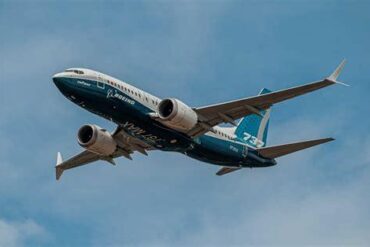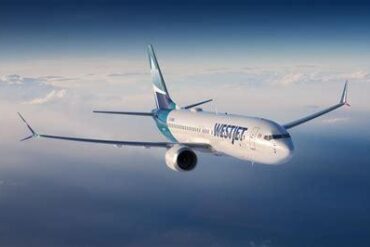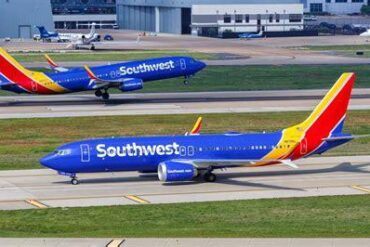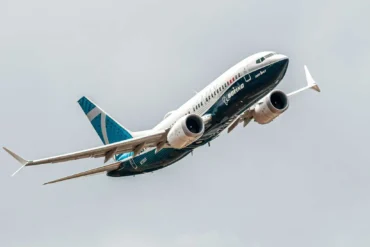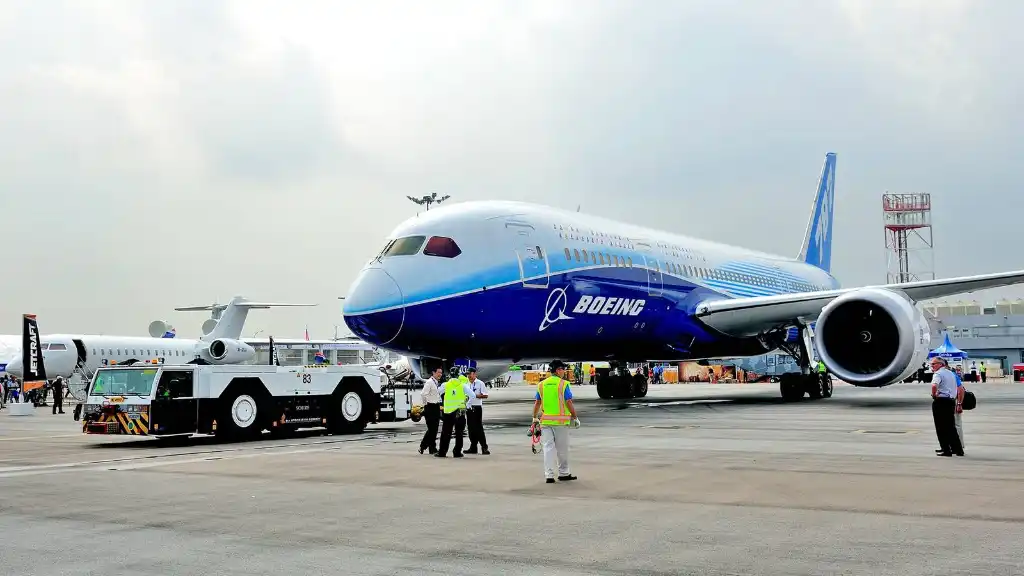
The Federal Aviation Administration (FAA) has restored Boeing’s ability to issue its own airworthiness certificates for newly built Boeing 737 MAX and Boeing 787 Dreamliner aircraft, marking a major milestone in the manufacturer’s long recovery from years of safety and production challenges. The decision returns a responsibility that was removed in the aftermath of the 737 MAX crashes and places Boeing back in control of a critical step in the aircraft delivery process.
The FAA’s decision follows an eight-month evaluation period in which regulators closely monitored Boeing’s certification performance. During this period, the FAA alternated oversight responsibilities with Boeing, reviewing aircraft documentation, production quality findings, and certification results before allowing deliveries to proceed. The regulator concluded that Boeing’s internal certification findings were consistently aligned with FAA standards, supporting the return of delegated authority.
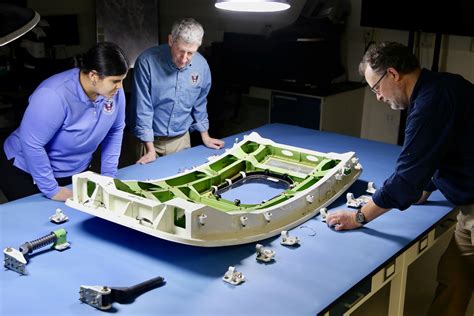
Boeing Regains Control Over Aircraft Airworthiness Certification
Beginning on July 20, Boeing will once again be able to independently issue airworthiness certificates for eligible 737 MAX and 787 aircraft before delivery to airline customers. Previously, the company operated under a shared system where Boeing and the FAA divided certification responsibilities on alternating weeks while regulators reviewed Boeing’s processes.
The restoration does not remove FAA oversight. Boeing will continue operating under strict regulatory supervision, with the FAA maintaining the ability to inspect aircraft, review production practices, and intervene whenever safety concerns emerge. The decision reflects confidence that Boeing’s internal quality systems are now producing results comparable to those achieved through direct FAA certification.
The FAA stated that Boeing’s certification findings during the evaluation period matched the results achieved when government inspectors directly handled the process. This consistency was the key factor behind the decision to return certification authority to the aircraft manufacturer.
A Major Step After the Boeing 737 MAX Safety Crisis
The return of certification authority carries significant importance because Boeing’s previous delegation privileges were suspended after two fatal 737 MAX accidents exposed serious flaws in the aircraft’s development and certification process.
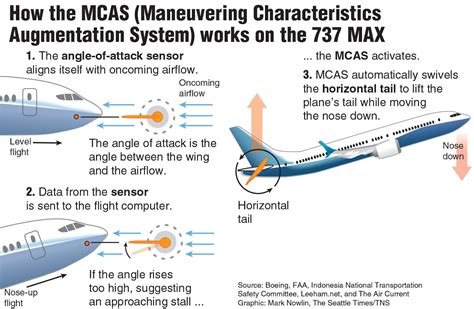
Lion Air Flight 610 crashed on October 29, 2018, shortly after departing Jakarta, Indonesia, killing all 189 people aboard. Several months later, Ethiopian Airlines Flight 302 crashed on March 10, 2019, killing all 157 occupants. Investigations identified problems with the aircraft’s Maneuvering Characteristics Augmentation System (MCAS), an automated flight-control system that repeatedly pushed the aircraft’s nose downward under certain conditions.
Following these accidents, the worldwide 737 MAX fleet was grounded, and Boeing faced extensive scrutiny over engineering decisions, safety procedures, and the relationship between aircraft manufacturers and regulators. The crisis resulted in major software updates, additional pilot training requirements, and a broad review of Boeing’s certification practices.
Boeing 787 Certification Challenges Also Led to FAA Intervention
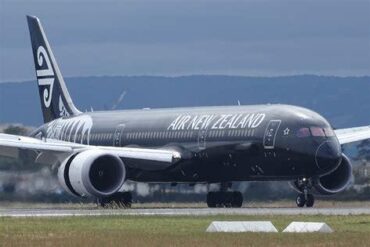
While the 737 MAX crisis was the most visible challenge, Boeing’s 787 Dreamliner program also faced certification concerns. In 2022, the FAA removed Boeing’s authority to self-certify certain 787 aircraft after recurring manufacturing issues involving components such as the aircraft’s tail structure and horizontal stabilizer.
The FAA stepped in to directly oversee certification activities to ensure that every delivered aircraft met strict airworthiness requirements. These additional inspections increased delivery timelines and added pressure on Boeing’s production system as the company worked to improve manufacturing quality.
The latest decision indicates that Boeing has made measurable progress in addressing these concerns. By demonstrating that its internal certification processes can consistently meet federal standards, the company has regained an important level of operational independence.
Impact on Boeing Aircraft Deliveries and Production Recovery
Restoring certification authority is expected to provide Boeing with greater efficiency as it works through a large commercial aircraft backlog. The ability to issue airworthiness certificates internally should help reduce delivery delays and allow completed aircraft to reach airline customers more quickly.
The move is particularly important for Boeing’s financial recovery because aircraft deliveries represent a major source of revenue. Faster certification processes can improve production flow, support airline fleet expansion plans, and strengthen confidence among customers and investors.
However, Boeing will continue facing restrictions, including the FAA-imposed production cap of 47 737 MAX aircraft per month. The limit remains part of the regulator’s effort to ensure that production growth does not come at the expense of quality improvements.
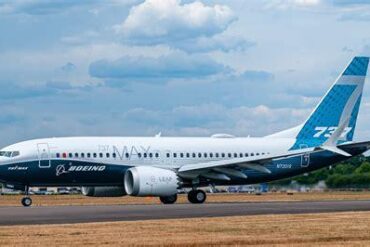
The restored authority currently applies to existing certified aircraft programs, including the 737 MAX and 787 families. It does not include the 737 MAX 7 and 737 MAX 10, which are still awaiting final certification.
Boeing’s Long Road Toward Rebuilding Trust
The FAA’s decision represents a significant vote of confidence in Boeing’s improvements, but it also highlights the responsibility that comes with renewed authority. The company must continue proving that its manufacturing standards, inspection processes, and safety culture meet the expectations of regulators, airlines, and passengers worldwide.
For Boeing, regaining certification responsibility is more than an operational change. It is a symbol of progress after years of intense scrutiny and a critical step toward rebuilding trust in one of the world’s largest aircraft manufacturers.