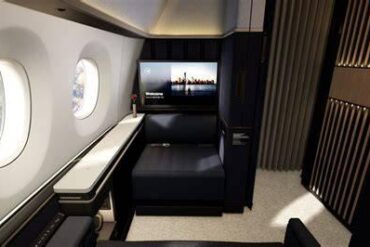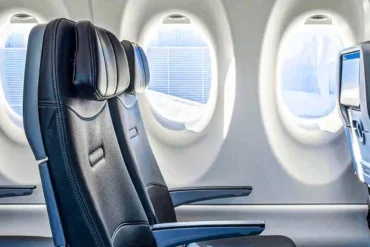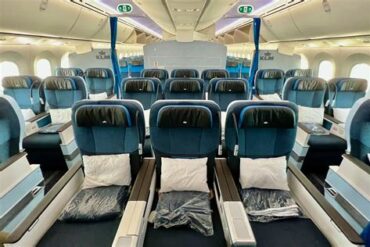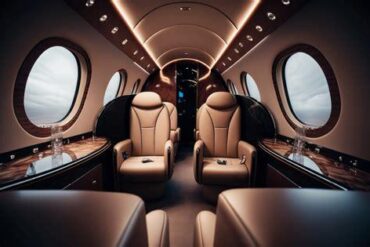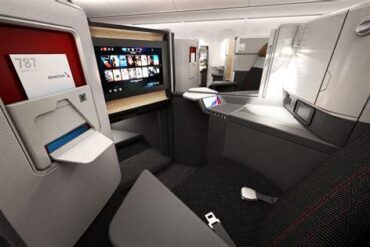
Modern business class cabins have entered a new era. A decade ago, premium passengers mainly expected a wider seat, better meals, and extra legroom. Today, the world’s leading airlines are transforming business class into something much more sophisticated: a private workspace, a quiet bedroom, and a personal sanctuary thousands of feet above the ground.
The competition among global carriers has pushed cabin designers to rethink every element of the passenger experience. High walls, sliding doors, customized lighting, advanced entertainment systems, and residential-style materials have become common features in the newest premium cabins. These innovations were once exclusive to first class, but they are now redefining what travelers can expect from a business class ticket.
The following five business class seats represent some of the most private and advanced designs currently available. Each one demonstrates how airlines are using smart engineering and thoughtful design to make passengers feel disconnected from the busy aircraft environment and surrounded by personal comfort.
Air France Business Class Suite: French Elegance Above The Clouds
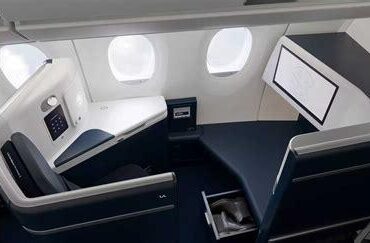
Air France has taken a distinctly French approach to modern premium travel by combining privacy, refined materials, and elegant simplicity. The airline’s latest business class suite, introduced on selected Airbus A350-900 and Boeing 777-300ER aircraft, represents a major step forward from traditional open-plan business seating.
Developed with seating manufacturer Stelia Aerospace, the cabin focuses on three essential principles: full-flat comfort, direct aisle access, and personal privacy. The one-two-one configuration ensures that every passenger can move freely without climbing over another traveler, creating a much more relaxed environment during long-haul flights.
The defining feature is the addition of a sliding privacy door. Once closed, the suite creates a personal space separated from the aisle and neighboring passengers. While it does not completely transform into a first-class apartment, the feeling of separation is significant, especially during overnight flights when travelers want uninterrupted rest.
Inside the suite, Air France uses materials that reflect its national identity. Soft leather, brushed metal surfaces, and carefully selected fabrics create an atmosphere closer to a luxury hotel than a traditional aircraft cabin. The curved design elements reduce the visual harshness often associated with airplane interiors, producing a warmer and more welcoming environment.
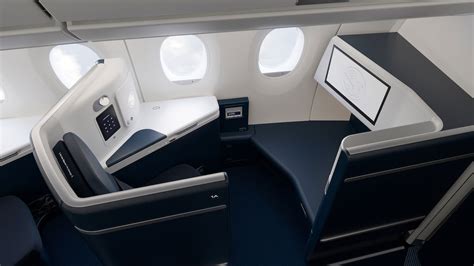
The seat itself converts into a 79-inch (200-centimeter) fully flat bed, allowing passengers to sleep comfortably on long international routes. A 17-inch entertainment screen provides high-definition viewing, while personal storage areas allow travelers to keep laptops, documents, and personal items within easy reach.
The front-row suites provide an even more impressive experience. Because they benefit from additional cabin space, these seats offer larger footwells, extra storage, and more room around the sleeping area. For travelers who want the closest possible experience to first class without purchasing a first-class ticket, these bulkhead positions are among the most desirable options.
Air France’s approach is not about creating the largest business class seat in the world. Instead, it focuses on creating a sophisticated environment where every detail contributes to a sense of calm and refinement.
Cathay Pacific Aria Suite: A Residential Retreat In The Sky
Cathay Pacific has long been recognized for its premium service, and its Aria Suite represents a new chapter in the airline’s long-haul business class experience. Designed for the carrier’s modernized Boeing 777-300ER fleet, the suite introduces a warmer and more residential design philosophy.
Unlike older business class seats that often relied on functional but sterile materials, the Aria Suite feels inspired by luxury apartments and boutique hotels. Soft textures, natural finishes, and carefully selected colors create an environment designed around relaxation rather than simply transportation.
The most noticeable improvement is the large privacy door that surrounds each passenger. When closed, the suite blocks much of the movement and activity in the aisle, allowing travelers to focus on work, entertainment, or sleep without constant distractions.
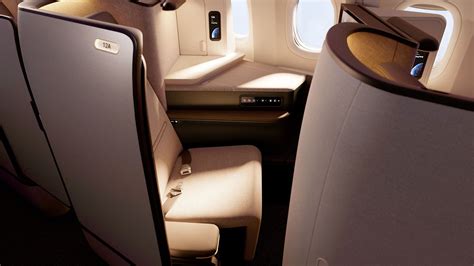
The cabin design also recognizes the reality of modern travel. Passengers now carry multiple electronic devices, from smartphones and tablets to laptops and headphones. The Aria Suite integrates wireless charging, USB connections, and convenient power outlets directly into the personal workspace.
Lighting has also become an important part of the experience. Instead of relying only on general cabin lighting, passengers can adjust their own environment with targeted illumination. This allows someone to work on a laptop without disturbing a sleeping neighbor or create a softer atmosphere during overnight rest.
One of the standout features is the large 24-inch high-definition entertainment screen, which provides one of the biggest displays available in business class. Whether watching movies, following flight information, or enjoying digital content, the large screen enhances the feeling of having a personal entertainment room.
Cathay Pacific has also introduced thoughtful digital features, including improved cabin information systems. These small improvements reduce unnecessary movement around the aircraft and help preserve the quiet atmosphere inside the premium cabin.
The Aria Suite demonstrates that privacy is not created only through walls and doors. It comes from combining physical separation, technology, comfort, and thoughtful passenger-focused details.
Japan Airlines Safran Unity Suite: Japanese Precision Meets Aviation Innovation
Japan Airlines has created one of the most technologically advanced business class products with its Safran Unity Suite aboard the Airbus A350-1000. The airline’s latest premium cabin combines Japanese hospitality principles with innovative aviation design.
The suite immediately stands out because of its carefully engineered layout. Instead of placing passengers directly opposite each other or creating open sightlines across the cabin, the staggered configuration angles each seat away from neighboring travelers.
This design creates natural privacy even before the door is closed. Once the sliding door is deployed, passengers are almost completely hidden from aisle traffic, creating a remarkably secluded environment.
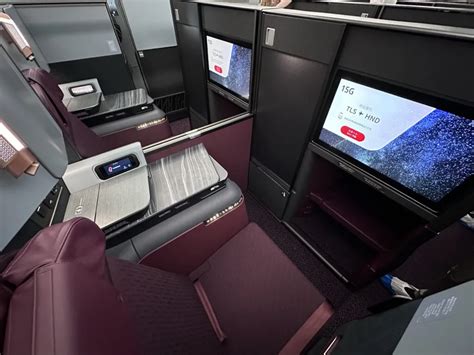
The suite features some of the tallest privacy walls currently found in international business class. Standing approximately 52 inches (132 centimeters) high, these partitions dramatically reduce visual distractions and create a cocoon-like atmosphere.
Inside, passengers find generous storage compartments, personal controls, and a carefully organized workspace. Every element has been designed around efficiency and simplicity, reflecting the Japanese approach of combining beauty with practical function.
One of the most impressive innovations is the integrated speaker system built into the headrest. Instead of requiring passengers to wear headphones for entertainment, the technology creates localized audio directly around the seat. Travelers can enjoy movies or music while avoiding discomfort caused by wearing headphones for many hours.
This feature is especially valuable on ultra-long-haul routes, where small comfort improvements become increasingly important. Reducing pressure on ears and eliminating cables creates a more natural and relaxing experience.
Japan Airlines has successfully combined advanced engineering with traditional hospitality values. The result is a business class seat that feels carefully designed around the individual passenger rather than simply fitted into an aircraft.
All Nippon Airways The Room: The Business Class Sofa In The Sky
All Nippon Airways changed expectations of business class when it introduced The Room on selected Boeing 777-300ER aircraft. Rather than making a typical business seat slightly wider, ANA completely reimagined the concept of personal space.
The Room does not feel like a conventional aircraft seat. It feels closer to a private living area installed inside a wide-body aircraft. The design philosophy focuses on creating maximum usable space rather than simply adding luxury finishes.
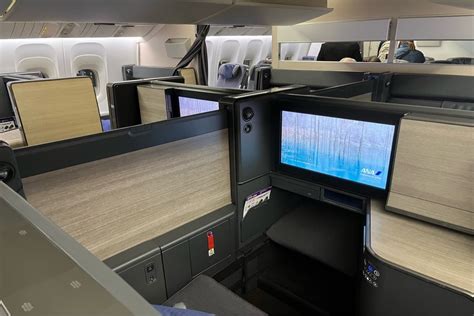
The secret behind this remarkable design is the staggered seating arrangement. By alternating forward-facing and rear-facing seats, ANA creates a much larger personal footprint while maintaining direct aisle access for every passenger.
The result is an enormous 38-inch (97-centimeter) seat width, making The Room one of the widest business class products in commercial aviation. The extra space allows travelers to sit naturally, stretch comfortably, and move around without feeling restricted.
When the double sliding doors close, the experience changes completely. The passenger is surrounded by high walls and separated from the rest of the cabin, creating a private environment suitable for sleeping, working, or relaxing.
The suite also includes a large 24-inch 4K entertainment display, offering a cinematic experience during long flights. Combined with the spacious seating area, the screen helps create the feeling of having a personal entertainment room rather than an airplane seat.
ANA’s design succeeds because it focuses on emotional comfort as much as physical comfort. Passengers do not simply receive more space; they experience a different relationship with the aircraft environment.
Qatar Airways Qsuite: The Global Standard For Private Business Class
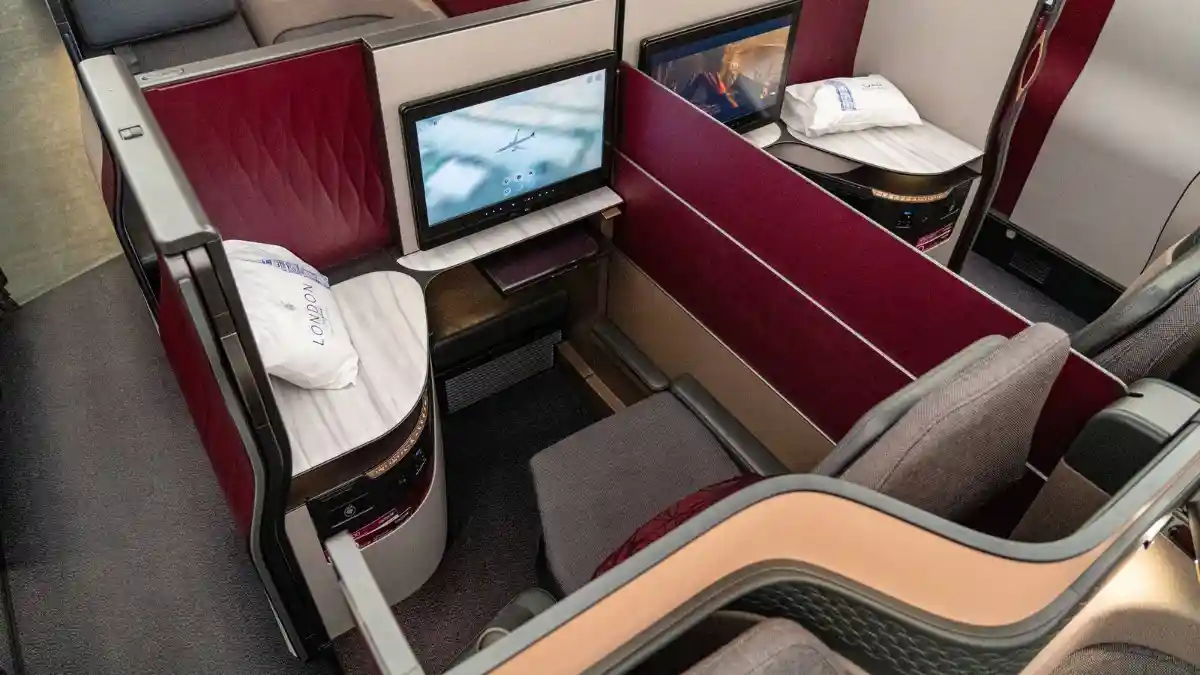
Qatar Airways Qsuite remains one of the most influential business class products ever introduced. When it entered service, it changed global expectations by proving that business class could deliver a level of privacy previously associated only with first class.
Unlike many competitors that added doors to existing seat designs, Qatar Airways developed the Qsuite concept around privacy from the beginning. The result is a fully integrated private suite with a strong focus on flexibility.
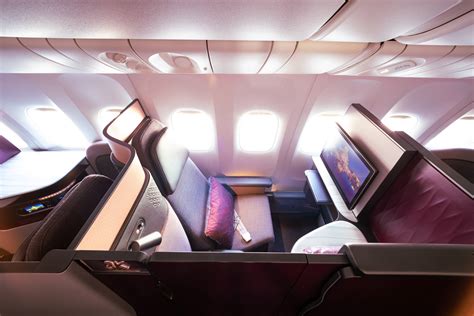
The cabin uses a one-two-one arrangement, ensuring every passenger has direct aisle access. Each suite includes a full-height sliding door that creates a personal enclosed space when closed.
Inside, passengers experience premium finishes, comfortable seating, and a 79-inch (200-centimeter) fully flat bed. Soft bedding, pillows, and carefully designed storage areas help transform the seat into a comfortable sleeping environment.
The Qsuite’s most unique feature is its ability to transform for groups. Center seats can be combined into a larger private area, creating a shared space for families, colleagues, or friends traveling together.
This flexibility makes Qsuite different from many other premium cabins. It can function as an individual private suite one moment and a social dining space the next.
Once passengers close the doors again, the outside world disappears. The sounds of the cabin, movement of passengers, and activity of the aircraft become distant, allowing travelers to enjoy a rare sense of personal control during flight.
The Future Of Business Class Is Personal Space
The evolution of business class demonstrates a major shift in aviation. Airlines are no longer competing only through better meals or larger seats. They are competing by creating environments where passengers can control their own space, privacy, and comfort.
From Air France’s elegant French suite to ANA’s apartment-style The Room, these cabins show how far premium aviation has advanced. Sliding doors, smart technology, residential materials, and flexible layouts have transformed the long-haul journey into something far more personal.
For many travelers, the greatest luxury is not simply having a comfortable seat. It is the ability to close a door, create a quiet environment, and briefly forget that they are thousands of feet above the Earth inside a commercial aircraft.
The best business class seats today do exactly that. They turn a place of transportation into a private sanctuary in the sky.