Premium Economy Legroom Has Become The New Measure Of Long-Haul Comfort
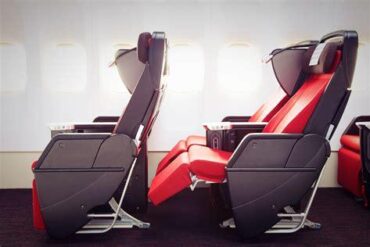
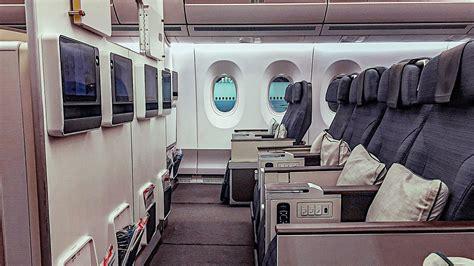
Premium Economy has transformed from a simple upgrade over economy class into one of the most competitive cabin categories in commercial aviation. In 2026, airlines are no longer competing only through upgraded meals, larger entertainment screens, or priority services. For many travelers, the deciding factor is much more practical: how much space they have to stretch out during a long flight.
Seat comfort is largely determined by seat pitch, which measures the distance between a point on one seat and the same point on the seat directly ahead. Although seat pitch does not reveal every detail about a cabin experience, it remains one of the most important indicators of personal space. On flights lasting eight, twelve, or even more than twenty hours, additional legroom can dramatically improve comfort by reducing stiffness, improving circulation, and allowing passengers to change sitting positions more naturally.
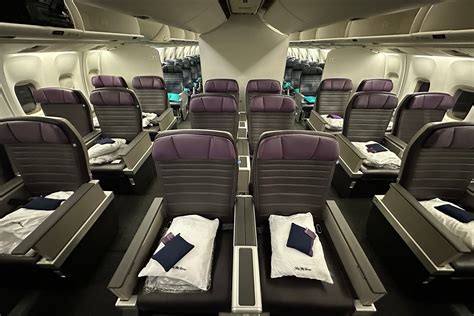
The modern Premium Economy passenger expects more than just extra inches. A successful premium cabin combines generous space with ergonomic design, improved dining, enhanced service, and a quieter atmosphere compared with standard economy. However, not every airline delivers the same level of comfort. Some carriers offer only a modest increase in pitch, while others have created cabins where the extra room becomes the central feature of the entire experience.
In 2026, several airlines stand above the competition by offering some of the world’s longest Premium Economy seat pitches. From Asian carriers known for meticulous cabin design to newer airlines focusing almost entirely on passenger space, these five airlines represent the leading choices for travelers seeking maximum legroom without paying business-class prices.
Cathay Pacific Premium Economy: A Balanced Combination Of Space And Refinement
Cathay Pacific has built a reputation around combining elegant service with modern aircraft interiors, and its Premium Economy cabin remains one of the most balanced products available in 2026. With seat pitch reaching approximately 40 inches on selected aircraft, including Airbus A350 configurations, Cathay provides a noticeable improvement over traditional economy seating.
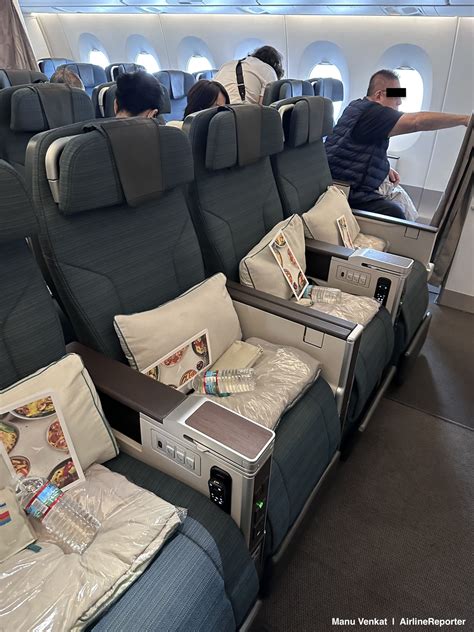
The airline’s approach is not simply about adding maximum distance between rows. Instead, Cathay focuses on creating an environment where every element works together. The wider seats, dedicated cabin area, fixed armrests, and carefully designed seating layout create a more private atmosphere that feels separated from the busier economy cabin behind.
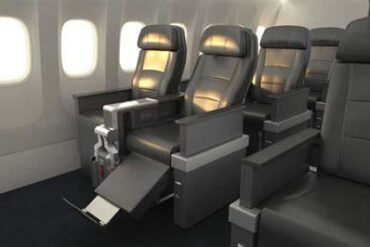
Passengers benefit from thoughtful comfort features including adjustable footrests, calf supports, improved cushioning, and larger personal entertainment displays. These details become increasingly valuable during long-haul flights, where small improvements in posture and support can make a major difference after several hours in the air.
Cathay Pacific’s strength lies in consistency. While some airlines may offer slightly more dramatic seat dimensions, Cathay delivers a complete Premium Economy experience with upgraded meals, priority services, additional baggage benefits, and refined cabin presentation. For travelers who want a dependable combination of comfort, service, and modern design, Cathay remains one of the strongest options in 2026.
Air New Zealand Premium Economy: Built For The World’s Longest Flights
Few airlines understand ultra-long-haul travel better than Air New Zealand. Because many of its international routes connect New Zealand with North America, Asia, and Europe, the airline has designed its Premium Economy cabin around endurance rather than short-term comfort.
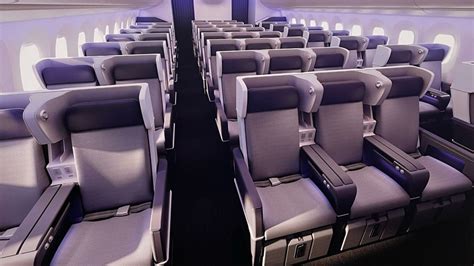
With approximately 41 inches of seat pitch, Air New Zealand offers significantly more room than many competitors. The additional space allows passengers to extend their legs more freely, adjust their sitting position, and avoid the cramped feeling that often develops during long overnight flights.
One of the airline’s most notable design choices is its fixed-shell seating concept. This allows passengers to recline without dramatically reducing the personal space of the traveler behind them. Combined with a dedicated footrest and leg support system, the seat encourages a more natural posture and reduces pressure on the lower back and legs.
The value of Air New Zealand’s Premium Economy becomes especially clear on flights lasting more than twelve hours. When passengers spend half a day or longer inside an aircraft, small ergonomic advantages become major improvements. The cabin’s generous spacing, practical design, and thoughtful features make it one of the most comfortable options for travelers facing some of the world’s longest journeys.
EVA Air Premium Economy: The Pioneer Of Modern Premium Economy Comfort
EVA Air holds a special place in aviation history because it helped establish Premium Economy as a legitimate cabin category. The airline introduced its Evergreen Deluxe Class in 1992, creating one of the earliest examples of a dedicated space between economy and business class.
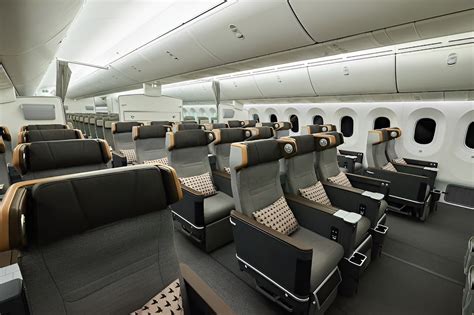
Today, EVA Air continues that tradition with one of the most impressive Premium Economy products in the world. On aircraft such as the Boeing 787-9, seat pitch reaches approximately 42 inches, placing the airline among the global leaders for passenger space.
The cabin experience extends beyond measurements. EVA Air equips its seats with features designed for long-distance comfort, including enhanced headrests, generous calf rests, wide armrests, and large entertainment screens. These additions transform extra legroom from a simple statistic into a meaningful improvement in how passengers experience a long flight.
Another major advantage is EVA Air’s attention to service. Premium Economy passengers receive upgraded meals presented with greater attention to detail, improved tableware, and a higher level of cabin service compared with economy class. This combination of physical comfort and premium hospitality allows EVA Air to deliver an experience that approaches business-class quality without the same price level.
For travelers flying between Asia, Europe, and North America, EVA Air’s Premium Economy remains one of the most complete products available in 2026.
Japan Airlines Premium Economy: Precision Engineering Meets Passenger Space
Japan Airlines has long been recognized for its careful approach to aircraft interiors, and its Premium Economy cabin reflects the airline’s philosophy of simplicity, efficiency, and passenger-focused design.
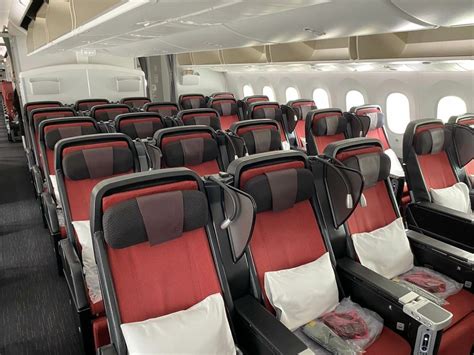
With seat pitch reaching around 42 inches on many long-haul aircraft, Japan Airlines provides one of the most generous Premium Economy seating arrangements among major international carriers. However, the airline’s advantage is not only the amount of available space but how effectively that space is used.
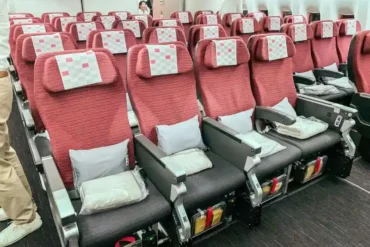
JAL focuses heavily on ergonomics. Instead of relying on excessive seat recline, the airline incorporates thoughtful seat mechanisms designed to support natural posture. Adjustable footrests, extended leg supports, and carefully positioned tray tables allow passengers to take advantage of the additional pitch without creating awkward limitations.
The result is a cabin environment that feels calm and organized. The extra space allows passengers to move more easily, stretch during long flights, and maintain a more comfortable seating position for extended periods.
On routes connecting Japan with Europe and North America, where flight times can exceed ten hours, these design choices become particularly valuable. Japan Airlines demonstrates that premium comfort does not require unnecessary complexity; sometimes the best improvement is simply giving passengers enough room to relax.
Norse Atlantic Airways Premium Economy: The Ultimate Legroom Champion
Norse Atlantic Airways has created one of the most distinctive Premium Economy-style products in the world by focusing almost entirely on one priority: space.
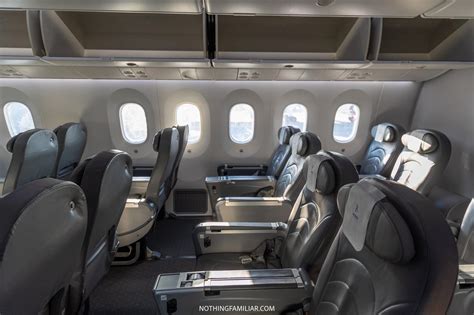
Operating a fleet of Boeing 787 Dreamliners, Norse offers seat pitch ranging from approximately 43 inches to an extraordinary 46 inches, depending on aircraft configuration. This places the airline at the top of the global rankings for Premium Economy legroom in 2026.
For tall travelers, the difference is immediately noticeable. Passengers can stretch their legs more naturally, avoid constant contact with the seat ahead, and enjoy significantly greater freedom of movement throughout transatlantic flights.
Unlike traditional premium carriers, Norse Atlantic does not attempt to compete through luxury dining, airport lounges, or extensive business-class-style services. Instead, it has created a space-first premium experience. The airline focuses its resources on providing one of the most physically comfortable seats available in its category.
This strategy creates a clear trade-off. Travelers seeking premium service details may prefer legacy airlines, but passengers whose top priority is personal space will find Norse extremely appealing. On seven-to-ten-hour transatlantic routes, the additional legroom can completely change the travel experience.
The Future Of Premium Economy Is Defined By Space
In 2026, the best Premium Economy cabins prove that comfort is not only about luxury features. The ability to stretch, move, and maintain a natural posture throughout a long flight has become one of the most valuable upgrades an airline can provide.
While each airline approaches the concept differently, Norse Atlantic Airways leads in pure legroom, while EVA Air, Japan Airlines, Air New Zealand, and Cathay Pacific demonstrate how space can be combined with service, design, and reliability.
As aircraft continue flying longer routes and passengers increasingly demand better value between economy and business class, Premium Economy will continue evolving. The airlines that prioritize meaningful personal space are likely to define the future of long-haul travel comfort.