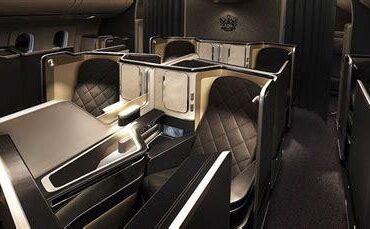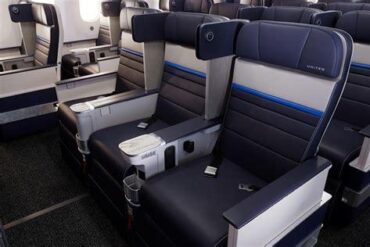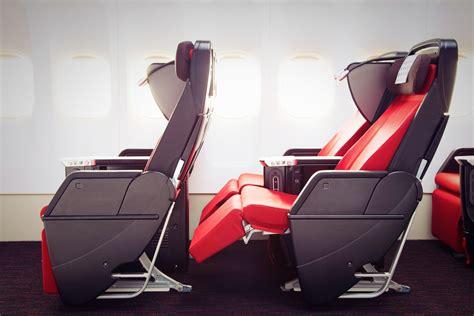
Flying has evolved dramatically over the decades, but one element continues to define comfort for travelers across all classes: seat space. While airlines have often focused on efficiency and cost, discerning passengers are increasingly demanding roomier, more comfortable seating. Whether your priority is legroom or seat width, selecting the right airline can vastly transform your in-flight experience. In this detailed guide, we examine the U.S. airlines offering the biggest seats in both economy and business class, backed by verified data from SeatGuru and Upgraded Points.
Flying shoulder-to-shoulder or knee-to-seatback can be more than uncomfortable — it can be intolerable, especially on flights that stretch across multiple hours. For tall passengers, legroom, measured by seat pitch, is paramount. Meanwhile, those concerned with personal space often prioritize seat width, which defines how physically expansive a seat feels.
Understanding Seat Pitch and Width: Defining Spaciousness
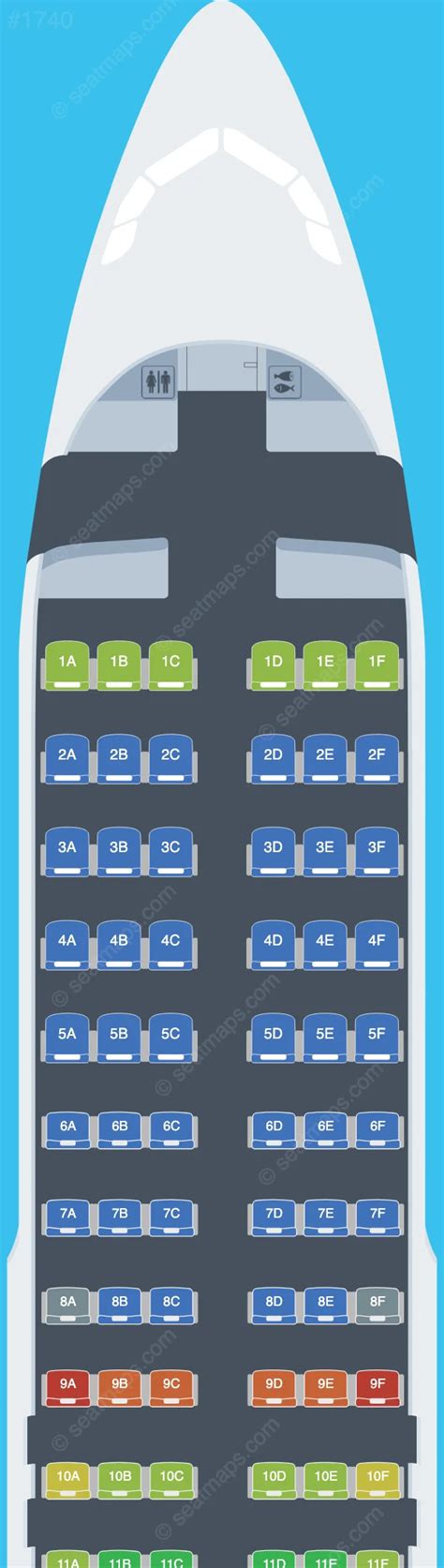
Seat pitch — the distance between a point on one seat and the same point on the seat in front — serves as the industry-standard measurement for legroom. It’s not synonymous with actual leg space, but it’s the closest practical metric. Meanwhile, seat width determines how wide the seat is from armrest to armrest, which is critical for passengers who prefer more lateral space.
It’s important to differentiate between these two factors, as one doesn’t always imply the other. Some airlines may offer generous legroom while sacrificing width, and vice versa. The best airlines strike a balance, optimizing for both measurements.
The Best Airlines for Legroom in Economy Class
In the economy cabin, especially on domestic U.S. routes, comfort can vary drastically depending on the aircraft and carrier. A comprehensive analysis by Upgraded Points, examining the ten busiest domestic routes for each airline, reveals these average seat pitch figures:
- JetBlue: 32.3 inches – Leading the pack, JetBlue’s generous seat pitch is matched by consistent comfort across its fleet.
- Southwest Airlines: 32 inches – Known for its open seating policy, Southwest delivers strong legroom across its Boeing 737s.
- Alaska Airlines and Delta Air Lines (tie): 31.8 inches – Both carriers balance capacity with comfort, making them favorable choices.
- American Airlines: 31 inches – Offers competitive space, though slightly tighter on certain aircraft.
- United Airlines: 30.2 inches – Lags behind others in coach legroom, particularly on older aircraft.
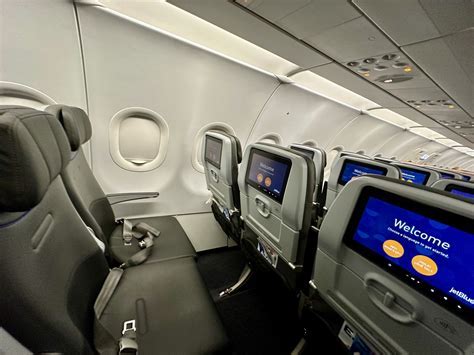
JetBlue’s dominance in this category reflects its brand commitment to comfort, particularly through its Airbus A320 and A321 fleets. Their consistent 32+ inch pitch across aircraft ensures that even taller passengers won’t feel constricted.
Widest Seats in Economy Class: A Game of Inches
While legroom defines comfort for tall travelers, seat width matters just as much for those who value personal space. SeatGuru’s analysis across short-haul domestic aircraft yields the following rankings:
- JetBlue: 18.1 inches – Once again, JetBlue offers the widest average coach seats in the U.S.
- Delta Air Lines: 17.64 inches – Delta’s modern fleet includes aircraft like the Airbus A321, where width has been prioritized.
- Alaska Airlines: 17.53 inches – Just fractions behind Delta, Alaska’s consistent cabin layouts are a plus.
- Hawaiian Airlines: 17.5 inches – Compact but comfortable, particularly strong on Boeing 717s.
- Southwest Airlines: 17.4 inches – While generous on legroom, width remains just above average.
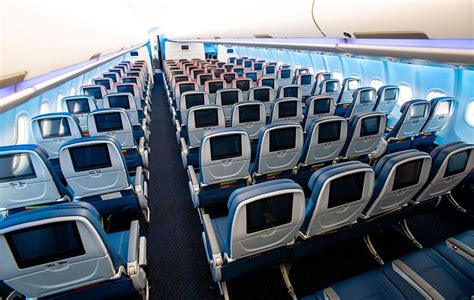
JetBlue once again earns top marks, making it an undisputed leader in economy class comfort. Its use of Airbus aircraft, which typically offer slightly more seat width than Boeing models, gives it a natural advantage.
Business Class Seats with the Most Legroom
While business class often evokes thoughts of lie-flat beds, on most domestic routes under six hours, business or first class typically features reclining, non-flat seats. Here’s how the top airlines rank based on average seat pitch:
- Alaska Airlines: 40.3 inches – A commanding lead, offering more than ample space for longer domestic flights.
- Hawaiian Airlines: 37 inches – Prioritizing comfort for inter-island and West Coast routes.
- American Airlines: 36.8 inches – Their flagship first-class seats on A321s and 737s deliver.
- Delta Air Lines: 36.7 inches – Narrowly trails American, but still offers a premium recliner experience.
- United Airlines: 35.6 inches – Reliable, but generally smaller pitch compared to top performers.
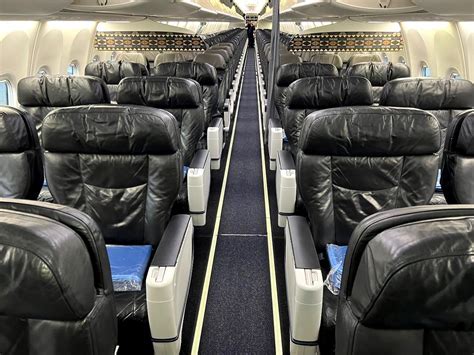
Alaska Airlines clearly leads in business class seat pitch, providing a near-luxury experience for domestic flyers. The spacious seats allow passengers to work, relax, or dine without constraint.
Widest Seats in Domestic Business Class
Width in business class becomes even more important, especially for those seeking enhanced armrest space, comfort for longer durations, or more freedom to work in-seat. Here’s how U.S. airlines measure up:
- Alaska Airlines: 21 inches – Topping the charts with unmatched seat width.
- Delta Air Lines: 20.54 inches – Offers competitive comfort across its Boeing and Airbus fleets.
- American Airlines: 20 inches – Narrower than Alaska but consistent across different aircraft.
- United Airlines: 19.5 inches – Slightly tighter than competitors but still acceptable for domestic premium class.
- Hawaiian Airlines: 18.5 inches – Seats are wide but reflect the airline’s regional and leisure focus.
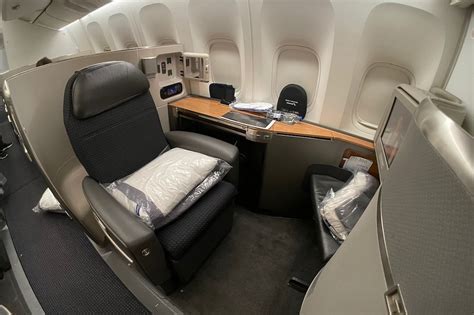
Once again, Alaska Airlines outperforms, maintaining the widest business class seats across its fleet. Passengers looking for both lateral and vertical space will find Alaska’s premium cabin experience unmatched on domestic U.S. routes.
Why Aircraft Type Matters
While airline averages offer guidance, individual aircraft models play a significant role. For instance, Airbus A320 family aircraft generally feature wider fuselages, allowing slightly broader seat layouts. In contrast, Boeing 737s—widely used by Southwest, United, and Alaska—typically have marginally narrower seat widths.
Embraer regional jets, often used on shorter routes, offer some of the most comfortable layouts in economy and business. For example, the Embraer ERJ-175 used by American Airlines often provides up to 19.3 inches in width in some configurations — a rarity in modern economy cabins.
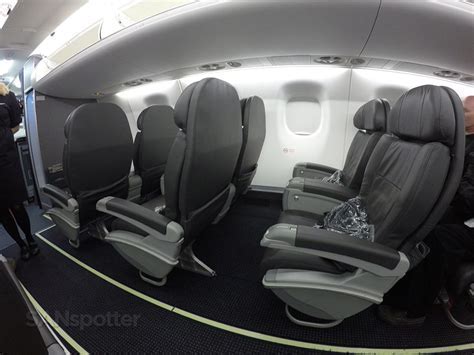
Passengers should therefore not only consider the airline, but also cross-check the aircraft type when booking. Tools like SeatGuru and ExpertFlyer allow travelers to view specific seat configurations before purchasing.
Final Verdict: The Leaders in Comfort
Two airlines rise unmistakably to the top: JetBlue and Alaska Airlines. JetBlue sets the benchmark for economy class comfort, offering the best combination of legroom and seat width. Alaska Airlines, on the other hand, dominates in business class, with the most spacious seats in both dimensions. These airlines are redefining domestic comfort, providing travelers with a better way to fly without compromising space or convenience.
For those seeking the most space in the sky, understanding how airlines configure their cabins is essential. Seat pitch and width are more than just numbers — they are central to in-flight quality of life. Whether you’re booking a quick hop or a cross-country haul, choosing the right airline can turn a cramped journey into a spacious escape.