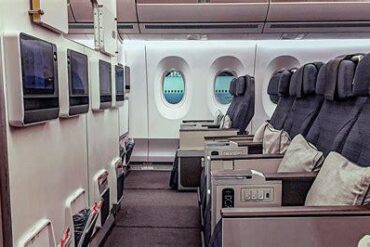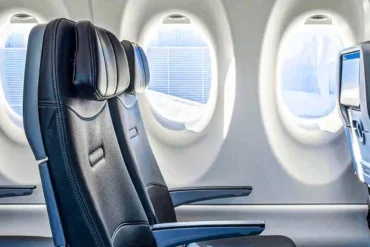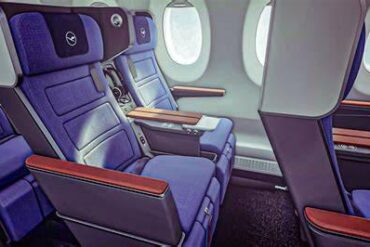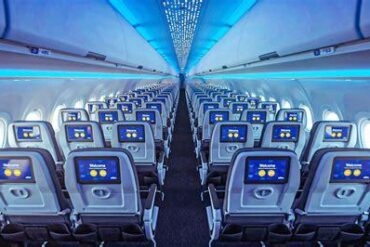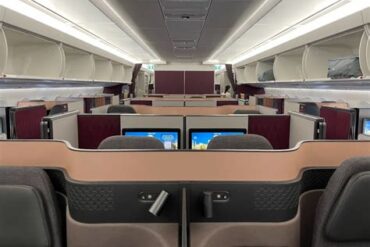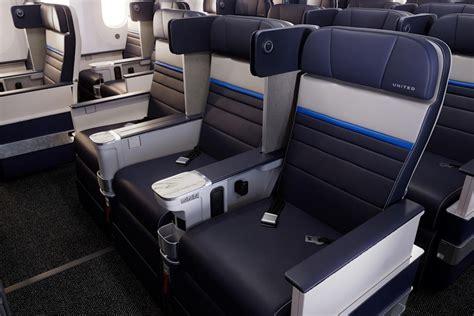
Air travel in 2026 looks very different from the cramped flying experience many passengers remember from decades past. As aircraft cabins become more efficient and airlines compete for higher-yield travelers, premium economy seating has evolved into one of the most strategically important products in aviation. It sits between standard economy and business class, delivering meaningful improvements in comfort while remaining accessible to a much larger group of passengers.
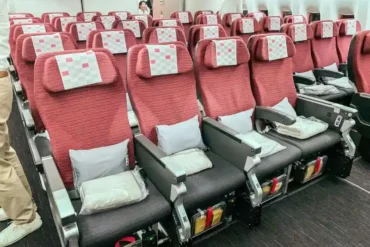
For long-haul travelers, the difference between arriving rested or exhausted often comes down to three physical seat measurements: pitch, width, and recline. Seat pitch refers to the distance between a point on one seat and the same point on the seat in front of it. Seat width determines shoulder room, while recline and leg rests shape overall comfort during long flights. A few extra inches in these dimensions can dramatically change the experience on flights lasting eight to twelve hours.
Across the United States airline industry, several carriers have invested heavily in premium economy or enhanced seating cabins designed to provide that extra breathing room. Legacy airlines such as Delta Air Lines, American Airlines, and United Airlines operate dedicated premium economy cabins on international routes, while airlines like JetBlue, Alaska Airlines, and Hawaiian Airlines offer creative alternatives that deliver impressive legroom even without a traditional premium economy product.
The following guide explores the US airlines offering the most spacious premium economy seats in 2026, examining seat dimensions, cabin layouts, and the real-world passenger experience on long-haul and domestic routes.
Delta Air Lines Premium Select: A Carefully Engineered Balance of Space and Comfort
Delta Air Lines has spent years refining its premium seating strategy, and the result is Delta Premium Select, a cabin designed specifically for long-haul international flights. Installed primarily on aircraft such as the Airbus A350-900 and Airbus A330-900neo, Premium Select provides a noticeable upgrade from the standard main cabin.
Passengers flying in this cabin typically enjoy 38 inches of seat pitch and roughly 18.5 to 19 inches of seat width. Compared with Delta’s standard economy seating, which ranges from 30 to 32 inches of pitch, the additional legroom can feel transformative on flights lasting more than eight hours.
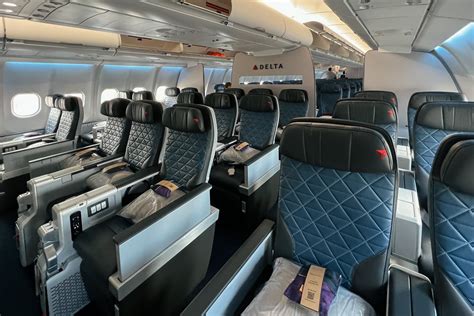
The sense of spaciousness is amplified by the 2-4-2 seating configuration used on widebody aircraft like the Airbus A350. Standard economy on the same aircraft often uses a 3-3-3 layout, which packs more passengers into each row. By reducing the number of seats across, Delta creates wider aisles and fewer middle seats, which contributes to a calmer and more comfortable cabin environment.
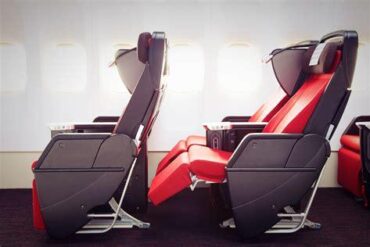
Delta also pays attention to ergonomic details. Premium Select seats include adjustable leg rests, foot bars, deeper recline mechanisms, and larger tray tables designed for laptop use during long flights. Combined with upgraded dining service and enhanced in-flight entertainment screens, the cabin feels like a significant step up from economy without approaching the cost of Delta One business class.
Strategically, Delta has expanded premium cabins across much of its international fleet. The airline increasingly allocates more aircraft space to higher-yield seating products, reflecting a broader industry shift toward premium revenue streams. In this ecosystem, Premium Select serves as the ideal middle ground, offering travelers a strong combination of space, comfort, and affordability.
American Airlines Premium Economy: Consistency Across a Global Network
American Airlines was among the earliest US carriers to fully commit to premium economy, rolling out a dedicated Premium Economy cabin across most of its long-haul fleet. This early investment means the product is widely available on aircraft such as the Boeing 777-300ER and Boeing 787 Dreamliner, giving passengers consistent access across the airline’s international network.
The seat dimensions place American’s product firmly at the top of the US premium economy segment. Travelers can expect around 38 inches of seat pitch and approximately 19 inches of width, providing substantial personal space compared with the 30 to 31 inches of pitch found in standard economy.
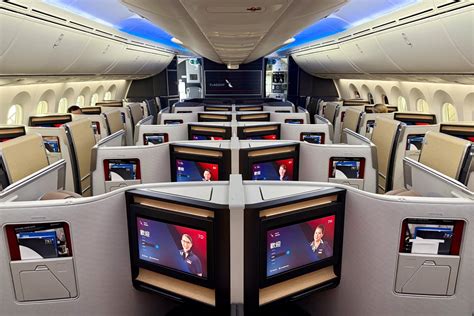
On flights between cities like New York and London, Dallas and Tokyo, or Miami and São Paulo, these extra inches translate into meaningful comfort improvements. Long-haul flights frequently exceed eight hours, and the additional legroom helps passengers stretch, shift positions, and relax more easily.
American’s greatest strength, however, lies in standardization. Because the airline installed Premium Economy across the majority of its widebody fleet, travelers are far more likely to encounter the product regardless of route. This predictability matters in aviation, where aircraft swaps can sometimes lead to unexpected changes in onboard experience.
Beyond the seat itself, Premium Economy passengers benefit from larger entertainment screens, enhanced meal service, upgraded amenity kits, and priority airport services such as earlier boarding. The result is a cabin that bridges the gap between economy and business class while maintaining a sense of consistency across American’s global route network.
For travelers who value both seat space and product reliability, American Airlines’ Premium Economy remains one of the most accessible and dependable options in the United States aviation market.
United Airlines Premium Plus: A Competitive Mid-Tier Cabin
United Airlines designed Premium Plus to compete directly with the premium economy offerings of Delta and American. Installed on aircraft such as the Boeing 787-8, 787-9, and select Boeing 777 variants, the cabin provides a similar level of comfort and spatial improvement.
Seat dimensions typically include 38 inches of pitch and roughly 18.5 to 19 inches of width, closely mirroring the measurements found on competing airlines. These numbers may look modest on paper, but in aviation ergonomics, even a few extra inches can transform a long flight.
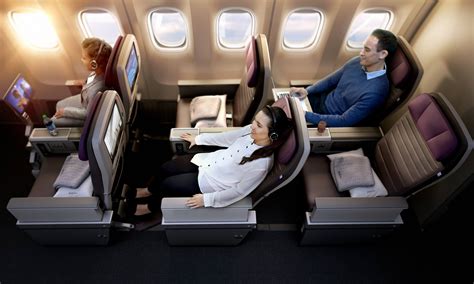
Premium Plus seats feature dedicated recline mechanisms, adjustable leg rests, and foot support systems designed for extended flights across the Atlantic or Pacific. Larger tray tables and upgraded seatback screens further improve the onboard experience, allowing passengers to work, dine, or watch entertainment comfortably.
Because United operates a diverse widebody fleet, the exact experience can vary slightly depending on aircraft type. Some older Boeing 777 configurations may have slightly tighter dimensions, while newer Dreamliner aircraft feature updated cabin interiors with modern lighting and improved seat technology.
In recent years, United has increased the number of Premium Plus seats across its fleet. The airline’s strategy mirrors broader industry trends: airlines are dedicating more cabin space to premium products that generate higher revenue per passenger.
For passengers seeking a balanced upgrade that provides extra room, upgraded amenities, and improved cabin design, United’s Premium Plus cabin represents a strong competitor within the US premium economy landscape.
JetBlue Even More Space: A Different Path to Extra Legroom
JetBlue Airways takes a different approach to passenger comfort. Instead of building a traditional premium economy cabin for most of its network, the airline offers Even More Space (EMS) seating within the main cabin while reserving its premium offering for Mint business-class suites.
Even More Space seats provide 37 to 41 inches of pitch, which in many cases rivals or exceeds the legroom offered in traditional premium economy cabins on other US airlines. This makes EMS one of the most generous extra-legroom products available on domestic routes.
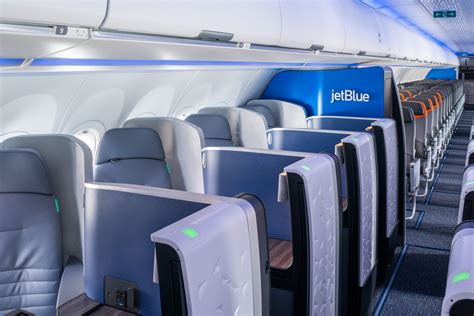
Seat width in EMS remains similar to standard economy, typically between 17.8 and 18.4 inches, but the dramatic increase in legroom changes the experience significantly. Passengers on longer domestic flights—especially cross-country routes—benefit from the ability to stretch out and move freely.
JetBlue complements EMS with its Mint cabin, which offers lie-flat suites on select transcontinental and international routes. Mint represents a full business-class experience, complete with privacy doors and upscale dining.
By combining these two products, JetBlue effectively addresses different traveler needs. Passengers who want affordable extra legroom can choose Even More Space, while those seeking a premium long-haul experience can opt for Mint.
This hybrid strategy allows JetBlue to compete with legacy airlines on comfort while maintaining its identity as a customer-focused airline known for generous seating policies.
Alaska Airlines Premium Class: Domestic Comfort with Extra Room
Alaska Airlines operates primarily within North America, which means its seating strategy focuses on improving comfort on medium-haul flights rather than long intercontinental journeys. The airline’s answer to premium economy is Premium Class, an enhanced seating section located at the front of the main cabin.
Premium Class seats typically offer 35 to 38 inches of pitch, a substantial increase compared with the roughly 31 inches found in standard economy seating.
Although the seat width remains similar to standard economy—generally 17 to 18 inches—the additional legroom creates a noticeably more comfortable environment on flights lasting four to six hours.
Passengers also receive several convenience upgrades, including priority boarding and complimentary alcoholic beverages. These small perks enhance the travel experience while maintaining the simplicity of Alaska’s cabin layout.
For travelers flying within the United States or between the US and Canada or Mexico, Premium Class offers one of the most spacious economy-adjacent seating options among non-legacy carriers.
Hawaiian Airlines Extra Comfort and Premium Cabin
Hawaiian Airlines occupies a unique position in the US aviation landscape because many of its routes involve long overwater flights across the Pacific Ocean. Even trips between Hawaii and the US mainland can last five to eleven hours, making seat comfort especially important.
To address this, the airline offers Extra Comfort seating within the main cabin as well as a separate Premium Cabin on select widebody aircraft.
Extra Comfort seats typically provide 34 to 36 inches of pitch, compared with approximately 31 inches in standard economy, while maintaining similar seat width.
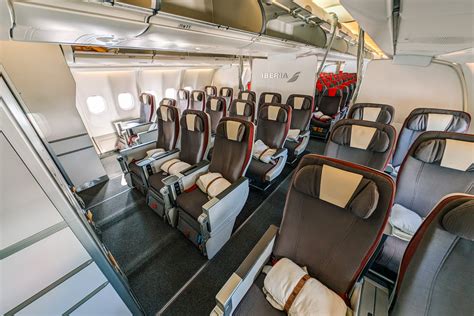
Passengers in Extra Comfort also benefit from priority boarding, earlier access to overhead bins, and complimentary beverages, which help streamline the travel experience on busy island routes.
On Airbus A330 aircraft used for long-haul flights, Hawaiian offers a more substantial upgrade in the form of its Premium Cabin, arranged in a 2-2-2 configuration. These recliner-style seats provide far greater space and comfort than economy seating and resemble domestic first class on mainland US carriers.
Given the distances involved in Pacific travel, this additional room can make a dramatic difference. Flights between cities like Honolulu and New York or Boston rank among the longest domestic routes in the world, and passengers benefit significantly from wider seats and deeper recline.
Why Premium Economy Space Matters More Than Ever
The growing popularity of premium economy seating reflects a fundamental shift in how people travel. Business-class fares remain expensive, while standard economy seats have gradually become more compact as airlines maximize efficiency. Premium economy fills the gap by offering meaningful comfort improvements without the extreme cost of business class.
For airlines, the cabin also represents a powerful revenue opportunity. Premium economy tickets often sell for two to three times the price of standard economy, yet they occupy far less cabin space than business-class suites. This balance makes the product attractive both to travelers and to airline executives managing aircraft economics.
Across the US aviation market in 2026, several airlines stand out for offering particularly spacious seating. Delta, American, and United deliver the most traditional premium economy cabins with 38-inch pitch and wider seats, while JetBlue, Alaska, and Hawaiian provide creative alternatives focused primarily on legroom.
For passengers planning long journeys, the lesson is straightforward: a few extra inches of space can completely change the flying experience. When measured across thousands of miles and many hours in the air, those inches translate into better sleep, less fatigue, and a far more enjoyable trip.