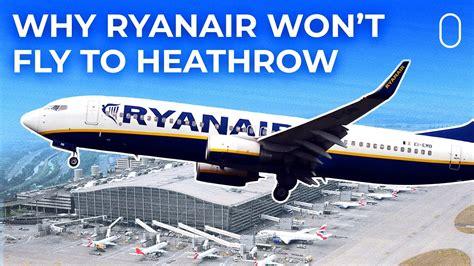
From its humble beginnings in the 1980s, Ryanair has grown into one of Europe’s most dominant low-cost airlines by adhering to a single-minded strategy: high-frequency short-haul operations, low fares, and ruthless cost control. While its competitors have flirted with or failed in long-haul low-cost flying, Ryanair has repeatedly dismissed the idea of flying to the United States. This strategic choice isn’t a lack of ambition—it’s a deliberate move rooted in preserving the airline’s highly optimized business model.
Ryanair’s Model Relies on Speed, Simplicity, and Low-Cost Hubs
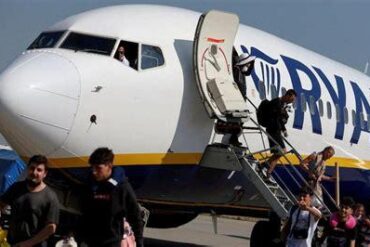
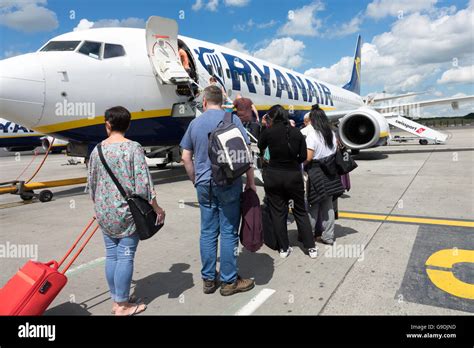
At the core of Ryanair’s success is its rapid aircraft turnaround model, which allows it to operate more flights per day than many of its peers. The airline routinely turns an aircraft in under 30 minutes, a feat made possible by flying into and out of secondary airports where congestion is low and fees are minimal. These quick turns are a linchpin of the model—it maximizes daily aircraft utilization and revenue per plane, while keeping labor and ground handling costs low.
Introducing transatlantic flights would upend this system. A single round trip to the United States would monopolize an aircraft for 8 to 12 hours or more, severely limiting daily rotations. Moreover, long-haul flying introduces greater operational complexity, including customs, potential delays at congested US hubs, and higher exposure to weather disruptions. Ryanair’s current structure isn’t built to withstand those inefficiencies.
The $14 Fare Dream That Never Took Flight
More than a decade ago, Ryanair floated plans to launch transatlantic flights with fares starting at just $14. At the time, executives revealed a vision of linking up to 14 European cities—including London, Dublin, and Berlin—with major US destinations like New York, Boston, Chicago, and Miami.
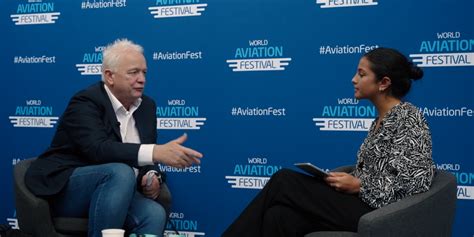
But beyond the initial media buzz, the proposal never advanced. No aircraft were ordered, and the plan quietly disappeared. CEO Eddie Wilson later acknowledged that low-cost long-haul ventures typically rely on premium cabin revenues and cargo to subsidize cheap economy seats—two things Ryanair has neither the infrastructure nor the intention to pursue. “What really pays for transatlantic are the 24 people up front and the cargo,” Wilson noted. “We’re not set up for that.”
High Operating Costs and Airport Congestion Make It Unfeasible
Another major obstacle is the sheer cost of operating in the United States, especially at large international airports. Landing fees, gate charges, and ground services at major US hubs like JFK or LAX are drastically more expensive than Ryanair’s typical low-cost deals in Europe. Securing coveted slots in those congested airports is both difficult and costly.
Even if Ryanair opted to use secondary US airports—such as Stewart International Airport in New York or TF Green in Rhode Island—it would still face significant challenges. These smaller airports attract fewer business travelers, reducing yield potential and jeopardizing profitability. This was a critical misstep for former players like Norwegian Air, who relied on such outposts to cut costs but failed to sustain long-term operations.
The Low-Cost Long-Haul Model Has a History of Failure
The airline industry is littered with the carcasses of low-cost long-haul ventures that failed. From Zoom Airlines and Skytrain in the 1980s to WOW Air, Primera Air, and even Norwegian, the story is strikingly similar: initial excitement, rapid expansion, and ultimate financial collapse.
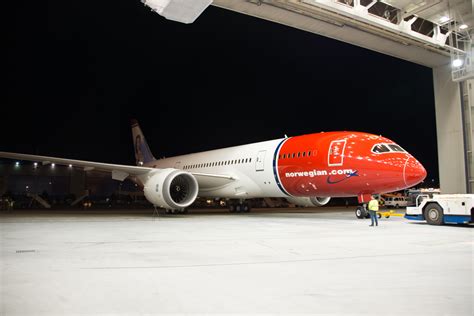
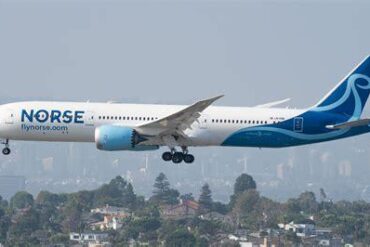
Norwegian’s case is particularly instructive. The airline launched long-haul transatlantic services in 2013 with extremely competitive fares. But within just a few years, it was posting mounting losses. Despite a surge in passenger numbers, it failed to generate sustainable profits. By early 2021, Norwegian officially ended its long-haul operations and refocused on its European network.
Even major airline groups struggled to make discount long-haul subsidiaries work. Lufthansa’s Eurowings and IAG’s LEVEL both attempted variations of the model, only to retreat or scale down significantly. Across the board, the challenges of high fuel costs, infrastructure fees, and weak premium revenue made the economics unworkable.
Ryanair’s Fleet Is Optimized for Short-Haul Operations
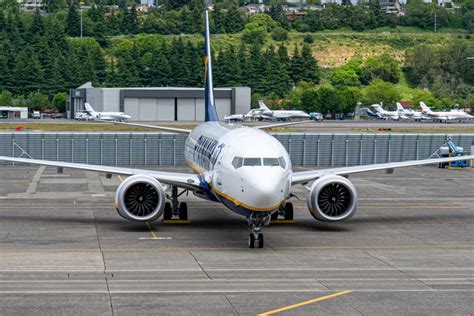
The choice of aircraft plays a vital role in Ryanair’s strategy. The airline exclusively operates Boeing 737 series jets, which are ideal for short- and medium-haul flying across Europe. Unlike larger widebody aircraft needed for transatlantic routes—such as the Boeing 787 or Airbus A330—the 737s offer unmatched efficiency for quick, point-to-point hops between European cities.
In 2023, Ryanair placed an order for up to 300 Boeing 737 MAX 10 aircraft, further reinforcing its short-haul ambitions. These aircraft will enter service between 2027 and 2033 and are designed to increase seating capacity and improve fuel efficiency, allowing the airline to continue expanding its European network without altering its operational DNA.
Cargo and Premium Services: Gaps Ryanair Doesn’t Want to Fill
Transatlantic flying is not just about selling cheap seats. It’s about maximizing revenue per flight, especially through premium cabins and belly cargo. Ryanair, by design, does not operate business class, nor does it carry cargo on a meaningful scale. These limitations are not temporary—they are intrinsic to Ryanair’s no-frills identity.
The absence of these high-margin revenue streams puts the airline at a disadvantage when competing in long-haul markets where such features are vital to financial viability. Even if Ryanair decided to pivot, the reconfiguration required—fleet overhaul, cabin redesign, staff retraining, and ground logistics—would contradict the simplicity and consistency that define its entire operational ethos.
A Relentless Focus on Europe Pays Off
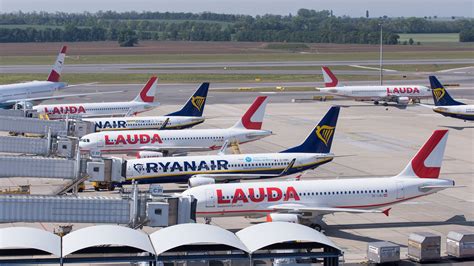
Instead of branching into long-haul markets, Ryanair has opted to double down on Europe. The airline continues to dominate intra-European travel through subsidiaries such as Lauda Europe and Malta Air, maintaining its tight grip on market share while remaining profitable.
Its routes are built around point-to-point travel, avoiding the complexity of hub-and-spoke models. This focus allows Ryanair to quickly adapt to market changes, reposition aircraft where demand is rising, and negotiate competitive deals with airports hungry for increased traffic.
Moreover, Ryanair’s digital infrastructure and cost efficiencies are tailored to a single flying style, allowing it to standardize crew operations, maintenance, marketing, and training. The result? An airline that consistently delivers low fares and high profits without the distraction of risky ventures.
The US Remains Off Limits—By Design
Ultimately, Ryanair’s refusal to enter the transatlantic market is not a failure of ambition, but a disciplined refusal to compromise a highly effective business model. The dream of $14 fares to New York grabbed headlines, but for an airline obsessed with standardization, predictability, and scale, such a move was always unlikely to materialize.
CEO Eddie Wilson summarized it best: “With the Ryanair model, you do the same thing every day, every seat, every flight.” That consistency has been the airline’s competitive advantage for more than three decades.
There is little indication that Ryanair will revisit the idea of long-haul flying in the foreseeable future. The economics don’t add up. The infrastructure isn’t there. And most importantly, the airline doesn’t need it. By mastering the short-haul game, Ryanair has built an empire on predictability, efficiency, and staying in its lane.