The Atlantic Ocean, wide and unpredictable, has long symbolized both opportunity and peril. In the 1700s, when wooden ships powered only by wind tried to master its vast expanse, the journey between Europe and the American colonies was no less than a test of human resilience, nautical skill, and luck. Without the technologies of today—no steam power, accurate clocks, or reliable charts—crossing the Atlantic during this era was an expedition that blended calculated risk with uncertain fortune.
Navigation in the 18th century depended on celestial observations using a sextant, dead reckoning, and the magnetic pull of a compass. But these methods were far from precise. Mariners contended with outdated maps, no reliable longitude measurement until the mid-century, and weather patterns that could change without warning. Their route decisions were as much intuition as they were science.
The Mechanics of 1700s Atlantic Crossings: Vessel Design and Travel Time
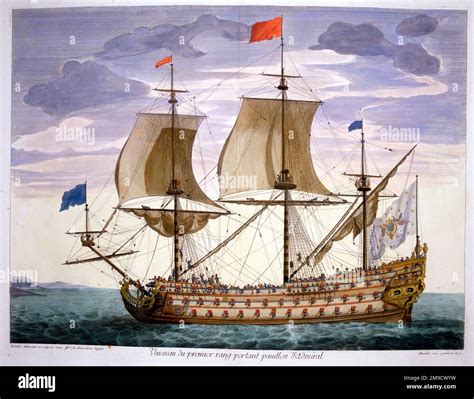
The design of a vessel significantly influenced its speed across the Atlantic. Although larger and seemingly more cumbersome, the well-engineered ships-of-the-line—naval warships used by European powers—were often faster than the lighter but less optimized galleons or merchant ships. A ship’s weight-to-hull ratio, the distribution of cargo, passenger count, and even the experience of its crew could add or subtract days from a journey.
A well-built frigate could maintain speeds of 4.5 to 6 knots per hour under favorable wind. That translates to a daily range of roughly 100 to 144 nautical miles. Given that the Atlantic crossing from ports such as London or Amsterdam to New York or Charleston spanned about 3,000 nautical miles, ships could make the journey in as little as 20 to 28 days under optimal conditions. However, this was rare.
Typical voyage durations varied dramatically:
- Eastbound trips (America to Europe): Around 30 to 40 days, thanks to the prevailing westerlies.
- Westbound trips (Europe to America): Often 50 to 70 days, due to variable conditions and more indirect routes.
Yet these averages hid the real story. Voyages could stretch to three months or longer due to storms, calms, or navigational errors. In dire cases, ships disappeared altogether, swallowed by the ocean without a trace.
Wind Patterns: The Invisible Currents That Determined Success or Failure
The defining factor in 18th-century transatlantic travel was the wind system. Mariners learned to depend on the northeast trade winds—reliable, steady gusts blowing from Africa’s northwest coast toward the Caribbean. These winds made westbound voyages (from Europe to America) faster and more predictable.
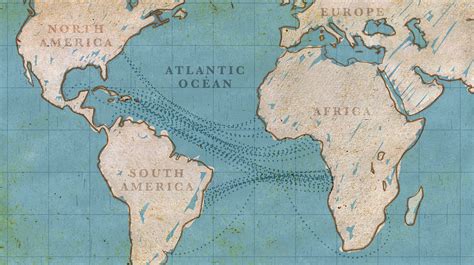
On the return trip, ships used the mid-latitude westerlies—stronger but more erratic winds found further north. Sailing home from Philadelphia or Charleston often meant enduring rougher seas, colder temperatures, and denser fog, especially as ships approached the English Channel or Bay of Biscay.
The skilled captains knew how to tack—zig-zagging against the wind to maintain speed—or drift in calm zones known ominously as the Doldrums. In such areas, a vessel might sit motionless for days, burning through supplies and morale.
Navigation Without Clocks: A Dangerous Guessing Game
The absence of a reliable marine chronometer until 1761 meant ships had no precise way of measuring longitude. Sailors could determine latitude (their north-south position) by measuring the sun’s height at noon, but east-west positioning was a speculative art.
Without longitude, navigation relied on dead reckoning—estimating distance traveled based on speed, time, and direction. But with varying wind speeds, shifting currents, and the Earth’s curvature, the guesswork was often wildly inaccurate. Ships might miss their destination by hundreds of miles.
This lack of precision not only slowed progress but added real danger. Vessels that misjudged their approach risked wrecking on unseen shoals, crashing into icebergs, or sailing blindly into enemy-controlled waters during wartime.
Life Onboard: Hunger, Sickness, and Social Hierarchy
Time wasn’t the only hardship. Life aboard a transatlantic vessel in the 1700s was grueling. Food consisted mostly of hardtack biscuits, salt pork, dried beans, and whatever could be preserved for weeks. Fresh water was stored in wooden barrels and often went foul.
Poor nutrition and cramped, unhygienic conditions led to frequent outbreaks of scurvy, dysentery, and typhus. Passengers—whether colonists, indentured servants, or soldiers—suffered in silence, often packed tightly below deck. Hierarchies were rigid, with officers and wealthy travelers enjoying relative comfort while the lower classes endured hardship.
Storms could cause injuries or death. Fires were rare but catastrophic. And with little understanding of mental health, many succumbed to depression, delirium, or even suicide during prolonged voyages.
Military Ships and Colonial Ambitions
Military strategy played a significant role in refining Atlantic crossings. European powers like Britain, France, and Spain needed fast and reliable crossings to support colonies, supply forts, and defend trade routes.
Naval frigates—sleek, fast, and heavily armed—often made the passage in record time. They had priority access to military ports, trained navigators, and superior shipbuilding techniques. The Royal Navy, in particular, became a leader in transatlantic logistics, establishing regular schedules for dispatches, reinforcements, and troop deployments.
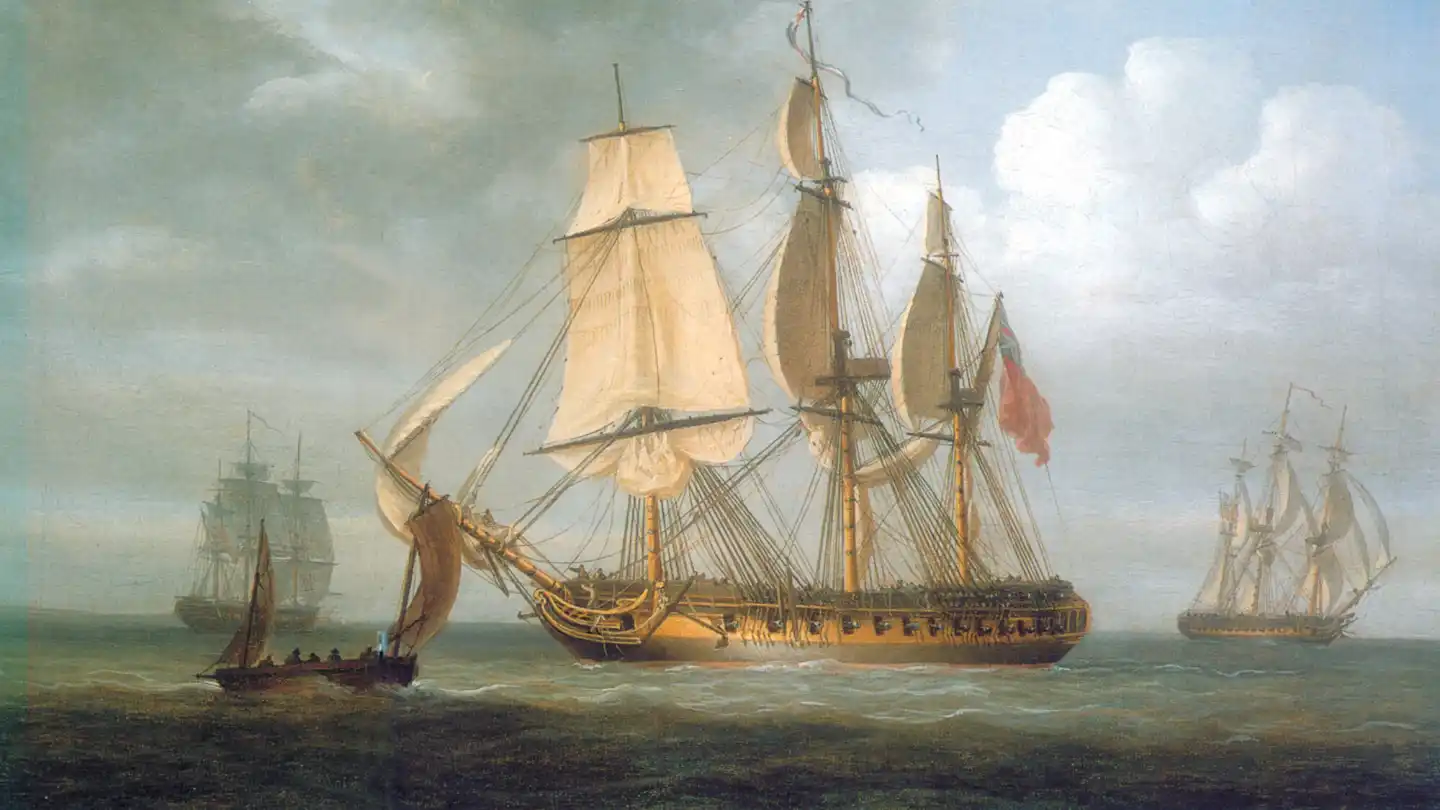
These ships laid the groundwork for early Atlantic trade networks and military strategy, influencing the outcome of wars such as the Seven Years’ War and American Revolution.
Fastest Known Voyages and Maritime Records
Though exact logs from the 1700s are scarce, historical documents and maritime archives indicate a few exceptional voyages. Some armed frigates and merchant clippers—under ideal conditions—made it from Europe to the Americas in under three weeks. These voyages were the exception, not the rule, and depended on perfect wind, minimal cargo, and an experienced crew.
One standout example is a Royal Navy courier mission from Plymouth to Boston in 1768 that allegedly took 23 days. Another merchant vessel carrying critical supplies during the War of Jenkins’ Ear is believed to have crossed in 21 days, though documentation is disputed.
These records illustrate what was possible at the limits of 18th-century naval technology—but also underline how rare such performances were in a world dominated by chance and chaos.
Atlantic Crossings Before Steam Power: A Gamble With Time and Nature
To modern eyes, a journey taking 30 to 70 days may seem agonizingly slow. But in the 1700s, it was the norm, and the measure of success wasn’t just arrival time—but arrival itself. Each voyage was a gamble: Will the wind hold? Will provisions last? Will we even survive?
The age of steamships, beginning in the early 19th century, eventually shrank this timeline to just 10–15 days, then to a few hours by air in the 20th century. But the daring sailors of the 1700s crossed the Atlantic with nothing but canvas sails, wooden hulls, and stars to steer by.
Their stories echo in the creaking timbers of history—reminding us of a time when every ocean voyage was both a leap into the unknown and a triumph over one of nature’s greatest barriers.