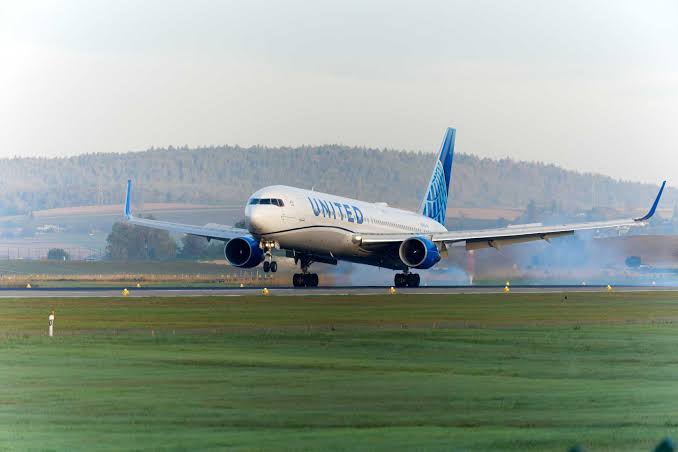
The Boeing 767 occupies an odd corner of the pilot pay map because it is rarely discussed as a single aircraft. Depending on the variant and the operator, it is treated as a midsize jet, a true widebody, or a premium cargo machine, and those classifications translate into radically different paychecks. In 2026, a 767 captain at United or Delta can clear roughly $405,000 to $483,000 on base hourly rates alone, while a first officer on the same type can earn anywhere from $276,000 to $330,000 depending on whether the tail carries a stretch designation. The numbers are even more sensitive at the cargo giants, where a twelve-year FedEx 767 captain earns around $300,000 and a comparable UPS captain closer to $387,000. Understanding why those figures diverge requires following the aircraft from its birth as a “narrow widebody” through the collective bargaining agreements that still govern how carriers classify it today.
Why the Boeing 767 Is Effectively an American Pay Story
The 767 is one of the few commercial airliners whose salary conversation is almost entirely domestic. It was designed as a narrower widebody, seating seven abreast in a 2-3-2 economy layout, roughly one extra seat row per cross-section compared with the Boeing 757 it was meant to complement. That positioning placed it above the long 757 and below larger widebodies like the Boeing 777, a middle ground that explains both its commercial longevity and its current peculiar standing. The type found its greatest success in the United States, and today the overwhelming majority of 767s, whether configured as passenger airliners, freighters such as the 767-300F, or military tankers through the KC-46A Pegasus, are registered and flown by American crews earning American wages. Japan remains the most notable exception, with Japan Airlines and All Nippon Airways operating their own fleets, but those operations sit outside the US seniority and pay systems that drive the figures in this discussion. Any comparison of international 767 salaries against US rates must therefore account for currency, tax structures, and benefit packages before the numbers become meaningful.
Production has also shaped the pay outlook. Boeing ceased passenger 767 deliveries in 2014, replacing the type in scheduled long-haul service with the 787 Dreamliner, and the civilian line is winding down after completing its final freighter backlog for UPS by the end of 2027. Only the KC-46A assembly line is expected to survive into the 2030s. Of the roughly 1,400 airframes delivered over the program’s lifetime, around 751 commercial 767s remain in service, and roughly 28 percent of those still fly passengers. The rest are freighters, and that split matters because cargo carriers pay the 767 very differently from passenger airlines.
The Two-Tier Pay Structure at United and Delta
Pilot compensation at major airlines is built on three pillars: seniority, aircraft type, and the contract language that assigns each type to a pay group. The 767 is where those pillars collide most visibly. Both United Airlines and Delta Air Lines split the family into two distinct tiers under their 2026 collective bargaining agreements. The 767-300ER is classified as a midsize aircraft, grouped alongside large narrowbodies such as the 757 and the Airbus A321neo, while the stretched 767-400ER is classified as a full widebody and paid at top-tier rates alongside the 777, 787, A330, and A350. A captain qualifies for those widebody rates only after bidding successfully into the aircraft, and widebody bids almost always reward seniority, so the pilots commanding a 767-400ER are typically the most experienced crews on the property.
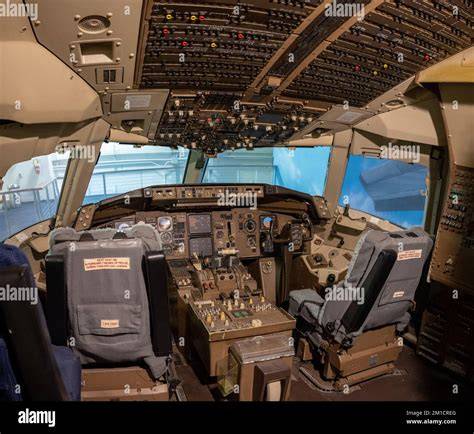
The earnings gap between the two tiers is substantial. A United captain with twelve years of experience flying the 767-400 can expect approximately $483,000 annually, while a pilot of identical seniority on the 767-300ER earns around $405,000. On the right seat, 767-400ER first officers collect roughly $330,000 in base pay, and 767-300ER first officers around $276,000. Delta’s contract mirrors this structure closely enough that comparable seniority produces similar totals, though slight differences in hourly rates and credit-hour assumptions can shift individual results by tens of thousands of dollars. Base hourly flight pay typically accounts for 70 to 80 percent of a senior pilot’s total compensation, which means the true figure rises considerably once per diem, profit sharing, and retirement contributions are layered on.
Boeing 767 First Officer and Captain Salary Ranges in 2026
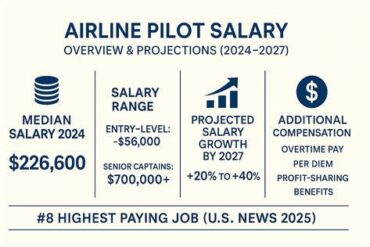
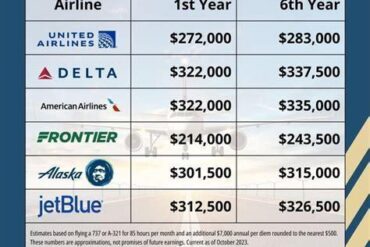
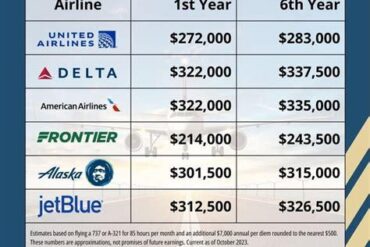
Context matters when placing the 767 against the wider industry. According to ATP Flight School data for 2026, major airline first officers generally earn about $98,680 to $130,000 in their first year, depending on carrier and monthly credit-hour guarantees, while year-twelve captains commonly sit in the $270,000 to $390,000+ range. Senior widebody captains can approach $450,000 when pay rates, guarantee hours, and per diem stack together. The 767 numbers at United and Delta therefore sit at the upper edge of that band for the stretch variant and comfortably mid-band for the 767-300ER, reflecting both the aircraft’s hybrid classification and the fact that these two carriers are among the best-paying in the industry.
A convenient 2026 reference point for the 767 family looks like this:
| Operator and Variant | Seat | Approximate Annual Base Pay |
|---|---|---|
| United 767-400ER | Captain (12 years) | $483,000 |
| United 767-300ER | Captain (12 years) | $405,000 |
| United 767-400ER | First Officer | $330,000 |
| United 767-300ER | First Officer | $276,000 |
| UPS 767-300F | Captain (12 years) | $387,000 |
| FedEx 767-300F | Captain (12 years) | $300,000 |
Delta’s equivalents track United’s within a narrow margin, and seniority progression on a fifteen-year longevity scale means the ceiling keeps climbing well past the twelve-year mark.
What Cargo Captains Earn Flying the 767 Freighter
At FedEx Express and UPS Airlines, the two-tier passenger logic disappears entirely. Neither carrier operates the 767-400ER, which exists only in passenger and VIP transport form, so every 767 in their fleets is a standard 767-300F or a converted passenger airframe. Both airlines place the type on their top-tier widebody pay scale, alongside the 777F, the MD-11, and the 747-8F, which effectively means every 767 freighter pilot earns premier equipment rates. The MD-11 component of that group is shrinking rapidly; following the fatal November 2025 crash of N259UP, UPS retired its entire MD-11 fleet, leaving FedEx as the primary operator of the trijet while it works toward its own retirement.
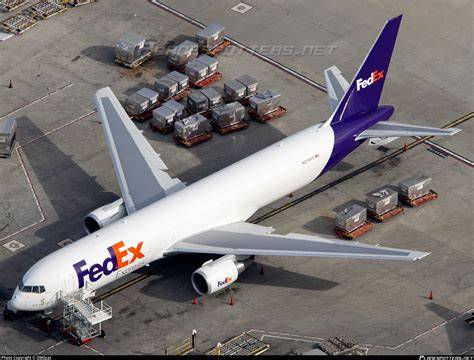
Both carriers work from a fifteen-year longevity scale and typically guarantee 75 to 81 credit hours per 28-day bid period, which produces predictable base earnings that vary less month to month than passenger flying. According to American Flyers, a FedEx captain with twelve years of experience earns around $300,000 annually, while a UPS captain at the same seniority can expect approximately $387,000. The interesting quirk is that UPS pays less than FedEx early in a pilot’s career while the top-end rates converge, so the airline with the better long-run outcome depends heavily on bonuses, schedule preference, and how long the pilot intends to stay. Cargo flying also carries its own rhythm, with night departures and hub turns that some pilots find preferable and others avoid.
How Seniority, Bonuses and Profit Sharing Change the Final Number
Base rate tables tell only part of the story. Senior pilots bid for the aircraft and routes they want, and widebody assignments at United and Delta are traditionally secured by the most senior crew members, which is why a 767-400ER captain seat is rarely held by a junior pilot. Beyond schedules, total compensation includes a long list of additional items: per diem for time away from base, profit sharing that at the largest carriers has produced annual payouts worth a meaningful fraction of base salary, defined-contribution retirement contributions that can reach double-digit percentages, and bonuses tied to contract ratification or operational performance. The difference between a published hourly rate and take-home earnings can therefore run into six figures over a career. It is also why two pilots flying the same aircraft type at the same airline can report dramatically different annual incomes despite identical seniority dates.
The Boeing 767-300ER’s Replacement Path and Its Effect on Careers
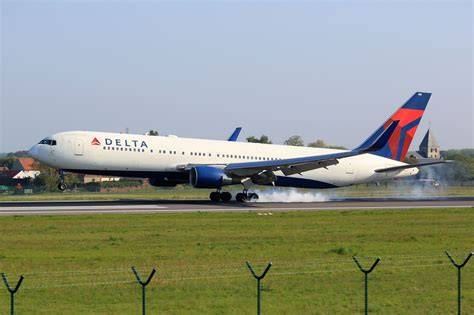
The 767-300ER is being progressively retired, and that transition has direct implications for anyone weighing a career on the type. Delta has committed to a fleet of 787-10s to phase out its 767-300ERs, while United may deploy Airbus A321XLRs on lower-demand transatlantic routes that the 767 currently serves. At the higher end, A350-900s and A330-900neos absorb some long-haul missions. The 767-300ER’s original competitor was the A330-200, and most of that capacity is now migrating to the 787-9, 787-10, and A330-900. The fleet remains substantial in the near term, with 37 767-300ERs still flying at both Delta and United, but the direction of travel is unmistakable. For senior captains approaching retirement, the type’s twilight years may simply mean serving out their final schedules on a familiar airframe; for junior first officers, bidding onto the 767 now means planning for a future transition to newer equipment.
The 767-400ER presents a stranger case. It sold poorly, was one of Boeing’s least popular modern variants, and exists at only two commercial operators, Delta with 21 airframes and United with 16, all still in passenger service. Neither airline has announced a replacement plan, and the aircraft’s closest modern equivalents, the 787-8 and A330-900neo, cannot match its specific capacity and range profile without a larger commitment. Its niche may therefore protect it for years, which is good news for the well-paid captains who fly it.
Is Flying the 767 Still Worth It in 2026?
For a pilot already senior at United or Delta, the 767 remains one of the most financially attractive assignments available, particularly in its stretch form, where widebody rates apply to a relatively modest airframe. For a new hire, the calculus is different. The first officer pay on a 767-300ER sits below what the same pilot might earn moving quickly into a newer widebody or upgrading to captain on large narrowbodies, and the type’s retirement horizon adds uncertainty. Freighter pilots at FedEx and UPS face a simpler picture: every 767 they fly commands top-tier rates, guaranteed credit hours are generous, and the fleet is heavily utilized across the FedEx and UPS networks, including Amazon’s branded airlift operated by contractors such as Atlas Air and Air Transport International. Whether the 767 is a career peak or an intermediate step depends on seniority date, cargo or passenger preference, and a pilot’s tolerance for bidding ambition.
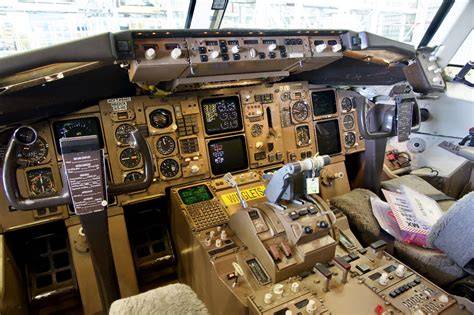
The aircraft has always been a middle ground, smaller than the 777 but larger than the 757, and its pay follows that same logic. Classified two different ways at the two largest passenger carriers, treated as premium equipment in the cargo world, and fading from scheduled passenger service while remaining indispensable in freight, the Boeing 767 produces a salary range in 2026 that runs from roughly $276,000 for a junior-equipment first officer to nearly $483,000 for a senior widebody captain, with total compensation climbing higher still once bonuses, profit sharing, and retirement contributions are counted. For pilots who understand how their airline’s contract classifies the variant they fly, that ambiguity is not a flaw. It is leverage.