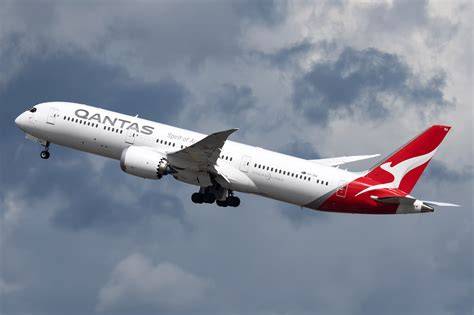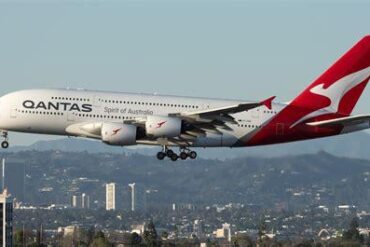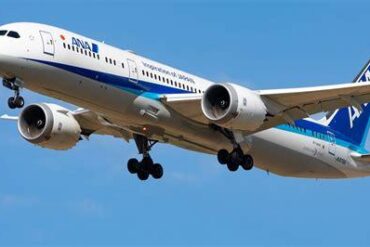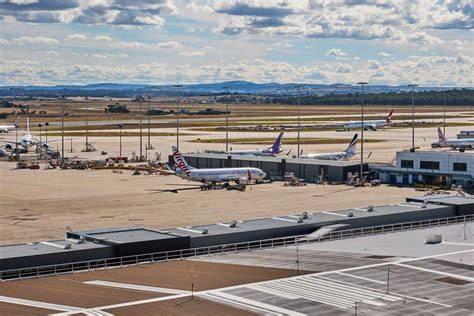
A Qantas Boeing 787-9 bound for Dallas/Fort Worth International Airport (DFW) turned a routine Saturday departure from Melbourne Airport (MEL) into a gruelling eight-and-a-half-hour flight to nowhere, after an airside safety vehicle spotted debris on the runway moments after the Dreamliner lifted off. Flight QF21, the nonstop Melbourne–Dallas service, had climbed to 35,000 feet and was cruising toward the United States when airport officials linked the fragments to the aircraft, triggering an in-flight emergency and an order to return to Australia.
Melbourne Departure, Fiji Turnaround: How QF21 Became an Emergency
QF21 pushed back on schedule at 12:00 PM AEDT with the aircraft tracking toward Texas on one of Qantas’ longest transpacific city pairs. The turning point came when the airside safety vehicle located debris on the departure runway, prompting airport officials to review CCTV footage to establish which aircraft had shed the material. That footage confirmed the debris had come from Qantas flight 21. The flight was contacted and advised of the finding while it was in the vicinity of Fiji, and the crew declared an emergency.
The decision, made with the aircraft already deep into the Pacific and hours from Dallas, was to bring the 787 home. The jet reversed course and flew the long return leg, touching down back at Melbourne at 8:54 PM AEDT that evening. In total, the Dreamliner spent roughly eight and a half hours aloft without delivering a single passenger to their destination, and the service was ultimately cancelled.
Qantas Spokesperson Cites Mechanical Issue Behind QF21 Return
Qantas framed the return through its engineering protocol rather than the debris sighting itself. A spokesperson said the aircraft returned to Melbourne “for engineering support due to a mechanical issue,” adding that the flight was unable to continue as scheduled and resulted in an overnight stay in Melbourne. Passengers were provided accommodation, transport and meal vouchers, and were rebooked onto a replacement flight the following day. “We thank them for their patience and understanding,” the spokesperson added.
VH-ZNI ‘Kookaburra’ Grounded as Replacement Flight Steps In
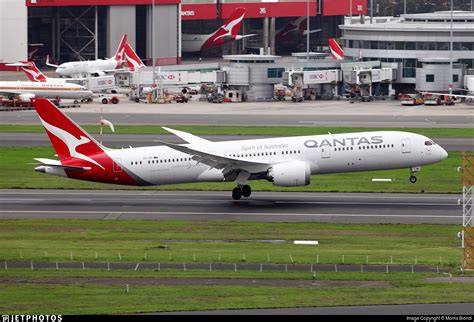
The aircraft at the centre of the incident was VH-ZNI, a Boeing 787-9 delivered to Qantas on October 15, 2019, and nicknamed “Kookaburra.” It carries 42 business class seats, 28 in premium economy and 166 in economy, a 236-seat configuration typical of the carrier’s long-haul Dreamliners. The jet has remained grounded since the incident, and Qantas has not indicated when it will return to service.
For the stranded travellers, a replacement service ran on Sunday, November 29, flying as QF7021 under the registration VH-ZNE — another 787-9. The substitute aircraft pushed back from Melbourne at 12:47 AEDT and was expected into Dallas/Fort Worth at 11:45 AM local time, restoring the connection less than a day behind schedule.
Inside Qantas’ Melbourne–Dallas Dreamliner Network
The disrupted flight sits within a dense transpacific schedule. Qantas operates multiple weekly services between Melbourne and Dallas/Fort Worth, complementing daily flights to DFW from its largest hub at Sydney Kingsford Smith Airport (SYD). With 14 Dreamliners in the fleet, the airline relies on the 787-9’s range and efficiency to sustain these ultra-long-haul routes, which makes every unscheduled grounding a strain on capacity and crew rosters.
What Happens When Debris Is Found on a Runway?
The fragments on the Melbourne runway fall under foreign object debris (FOD) protocols, which treat any loose material on a movement area as an immediate hazard. When FOD is detected, air traffic control and airport operations pause runway movements until the surface is cleared, preventing tyre blowouts, debris ingestion into engines or structural damage to other aircraft.
Detection relies on runway surveillance radar, optical sensors and visual inspections, with operators alerting the tower so arriving or departing aircraft can be redirected. Airside response teams — often called runway rovers — are then deployed to locate the exact spot, photograph the debris and gather evidence before removing it. Complex cleanups may require sweepers or other equipment, and only once the surface is confirmed clear does ground crew notify air traffic control that normal operations can resume.
Why an 8.5-Hour Return Beats a Pacific Diversion
Turning back over Fiji was a costly but defensible call. The South Pacific offers few diversion airfields capable of handling a 787-9 with full passenger loads, maintenance support and onward rebooking capability, and Melbourne provided Qantas with its own engineering base. The result was a textbook example of conservative airmanship: a long, fuel-burning return that prioritised a controlled landing with company support over pressing on toward Dallas with an unresolved defect.