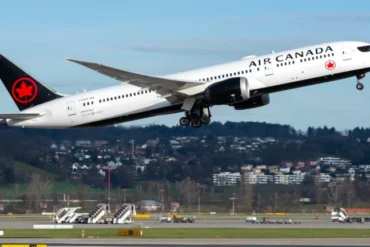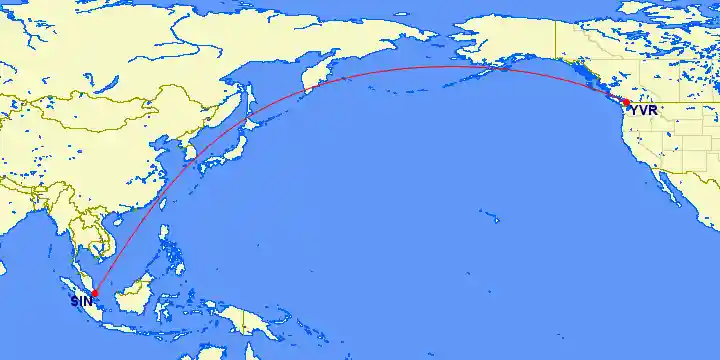
Air Canada is preparing to end one of its longest international services, cutting its nonstop route between Vancouver International Airport (YVR) and Singapore Changi Airport (SIN) in early 2027. The airline’s final departure from Vancouver is scheduled for January 24, 2027, bringing the latest chapter of its Singapore service to a close less than three years after the route was relaunched.
The decision removes a strategically important link between Air Canada’s Pacific hub and Southeast Asia. The YVR–SIN route can take up to 16 hours and 45 minutes, making it the carrier’s longest nonstop operation in the upcoming northern winter schedule. Its cancellation will therefore change not only Air Canada’s Singapore network but also the ranking of its longest flights.
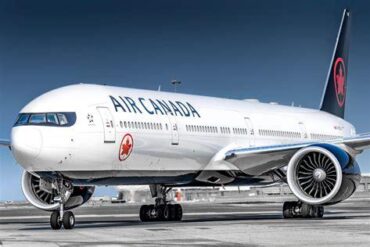
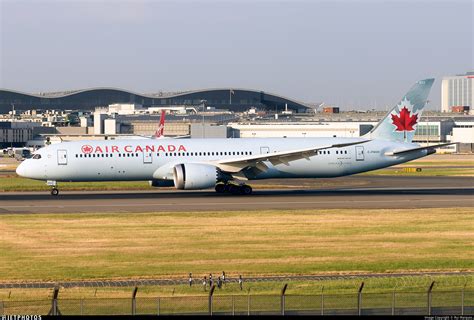
Air Canada originally served Singapore for many years before ending the service in 1991. According to OAG data, the airline returned to the market on April 3, 2024, taking advantage of an opening created after Singapore Airlines withdrew its own Vancouver–Singapore service in September 2023. Air Canada subsequently operated the route five times per week with the 298-seat Boeing 787-9, using Vancouver as its gateway between Canada and the Asia-Pacific region.
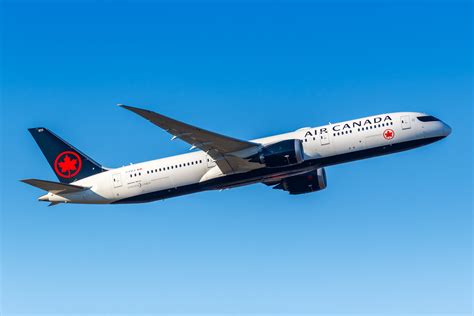
Air Canada Singapore Flights Will End in January 2027
The final schedule shows that Air Canada will continue operating the route five times weekly until the service ends. The outbound flight, AC19, is scheduled to leave Vancouver at 11:15 p.m. and arrive in Singapore at 7:00 a.m. two days later, reflecting the enormous distance and time-zone difference involved.
The return service, AC20, is scheduled to depart Singapore at 8:40 a.m. and arrive in Vancouver at 7:45 a.m. the same calendar day. The unusual timing is closely connected to Air Canada’s broader Pacific hub strategy. Late-evening departures from Vancouver allow passengers arriving from other parts of North America to connect into the Asia-Pacific departure bank, while the morning Singapore arrival provides opportunities for onward connections across the region.
The route is therefore more than a simple Vancouver–Singapore city pair. Its value depends heavily on connecting passengers, and that network role appears to have been an important part of Air Canada’s original decision to restore the service.
YVR–Singapore Is Air Canada’s Longest Nonstop Route
With a maximum scheduled block time of 16 hours and 45 minutes, Vancouver–Singapore currently holds the distinction of being Air Canada’s longest nonstop service in the upcoming northern winter season. That title will change after the Singapore route disappears.
Air Canada’s Delhi–Toronto service will then become the longest nonstop operation in the network, with flights scheduled for as much as 16 hours and 25 minutes. The exceptionally long flying time is partly associated with the need to avoid Russian, Ukrainian, and Iranian airspace, producing a significantly longer routing than the geographical distance alone might suggest.
For Air Canada’s Vancouver hub, Bangkok will become the longest nonstop destination. Flights between Vancouver and Bangkok can reach approximately 16 hours and 15 minutes. Air Canada launched the Bangkok route in 2022, and available winter 2026/2027 capacity indicates that the service has continued to expand, with seats for sale reaching record levels.
What Air Canada’s Singapore Passengers Were Using the Route For
The traffic data helps explain why a route can carry a large number of passengers while still become vulnerable to cancellation. During the 12 months through July 2026, Air Canada offered approximately 134,008 round-trip seats between Vancouver and Singapore. The estimated load factor was about 88%, a substantial proportion of seats filled.
However, passenger volume alone does not reveal whether an ultra-long-haul route generates sufficient financial returns or provides the best possible use of an aircraft. The traffic data indicates that only 24% of passengers traveled exclusively between Vancouver and Singapore without connecting elsewhere.
Another 11% began or ended their journey in Vancouver and connected onward in Singapore, with Vancouver–Singapore–Delhi identified as the leading connecting market. Meanwhile, 25% of passengers connected at both ends, with Winnipeg–Vancouver–Singapore–Manila the leading itinerary in that category.
The largest group, accounting for approximately 40% of passengers, originated or ended in Singapore while connecting through Vancouver to or from other North American destinations. Toronto–Vancouver–Singapore was the biggest market, followed by Calgary, Montreal, Edmonton, and Ottawa-related traffic.
What the Route Cancellation Means for Air Canada’s Asia Network
The cancellation does not mean Air Canada is abandoning Asia-Pacific. After Singapore ends, the airline is expected to serve 15 destinations in Asia-Pacific from Canada, or 17 when the Middle East is included. The carrier is also preparing to launch service to Sapporo in December, while flights to Guangzhou are scheduled to begin the following May.
That makes the Singapore decision particularly notable. Air Canada is still adding destinations in the broader region while removing one of its most demanding ultra-long-haul routes. The change suggests that aircraft utilization, connecting traffic, route economics, and network contribution can matter just as much as headline passenger demand.
For travelers, the final Air Canada Vancouver–Singapore flight on January 24, 2027, will mark the end of a route that returned to the network with considerable strategic significance. Singapore will remain accessible through connecting itineraries, but the direct Air Canada link from Vancouver will disappear after less than three years of renewed service.