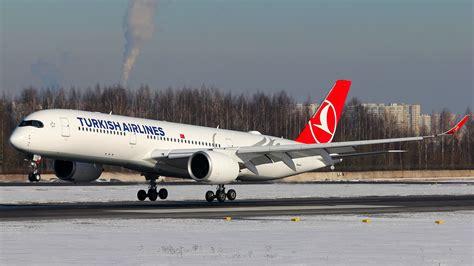
A Turkish Airlines Airbus A350-900 entered an active runway at Newark Liberty International Airport (EWR) without receiving clearance to do so, after an ambiguous air traffic control instruction was apparently interpreted by the crew as permission to proceed onto the runway. The incident occurred on Tuesday, September 15, as Turkish Airlines Flight TK30 prepared to depart Newark for Istanbul Airport (IST).
The aircraft had been taxiing toward Runway 4L when the Newark tower controller told the crew they were next for departure. However, the instruction did not actually authorize the A350 to enter or line up on the runway. Instead, the pilots were told to continue toward the runway and confirm that they were ready.
The distinction was critical. In busy airport operations, being told to proceed toward a runway is not the same as receiving clearance to enter it. Yet the subsequent exchange suggests the wording used by the controller may have created enough ambiguity for the Turkish Airlines crew to believe they had been authorized to continue onto the runway.
Turkish Airlines A350 Proceeds Onto Newark Runway
The incident was captured in air traffic control audio shared by You Can See ATC, providing a detailed look at how the misunderstanding developed. According to a transcription published by One Mile at a Time, the aircraft initially stopped before reaching the runway’s Hold Short Line.
At that point, the Newark controller asked, “Turkish 4YT Heavy, are you able to continue for the runway?” The crew confirmed that they could continue. The controller then responded, “Okay, continue for the runway,” and the Turkish Airlines pilot repeated the instruction: “Continue for runway, Turkish 4YT.”
The wording became particularly important because the aircraft subsequently crossed onto Runway 4L. The controller then contacted the A350 and pointed out that it was on the runway. The pilots acknowledged the transmission but did not appear to indicate that they had recognized they had entered the runway without the required clearance.
The situation was brought under control quickly. The controller instructed the aircraft to taxi off the runway and stand by. The pilots complied, moving the A350 away from the active runway while the tower addressed the apparent deviation.
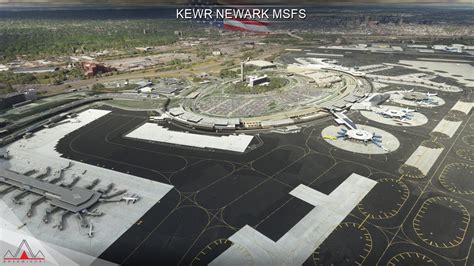
“You Were Not Cleared Onto Runway 4L”
The most consequential exchange came after the aircraft had left the runway. The controller told the Turkish Airlines crew that they would need to copy a telephone number because they had not been cleared onto Runway 4L.
The wording used by the controller was direct: “Okay, I’m gonna have to give you a phone number here because you were not cleared onto runway 4L.”
The call was not simply a routine correction. Being instructed to contact airport or air traffic control management after an unauthorized runway entry indicates that the event was being treated as a potential pilot deviation.
The aircraft nevertheless continued its journey to Istanbul. The available account does not indicate that another aircraft was forced to take evasive action or that a collision occurred. The significance of the event instead lies in the runway-entry error itself and in the communication breakdown that preceded it.
Why the ATC Wording Mattered
The incident highlights one of the most important principles in aviation communication: critical instructions must leave as little room for interpretation as possible.
The phrase “continue for the runway” can reasonably be understood in different ways outside the highly standardized language of aviation. In this case, the pilots apparently understood it as authorization to proceed onto the runway and line up. However, the tower’s apparent intention was for the aircraft to continue taxiing toward the runway while remaining clear of it.
A clearer instruction could have explicitly told the crew to continue taxiing and hold short of Runway 4L. That distinction would have made the aircraft’s stopping point unambiguous.

At the same time, runway-entry procedures place a significant responsibility on flight crews. A pilot should not assume that an ambiguous instruction constitutes authorization for a critical runway movement, particularly when no explicit runway-entry or takeoff clearance has been received.
The pilots had already been told they were next for departure, but that did not itself constitute takeoff clearance. Even if the controller’s wording contributed to the misunderstanding, the crew could have requested confirmation before entering the runway.
Turkish Airlines Flight TK30 Was Bound For Istanbul
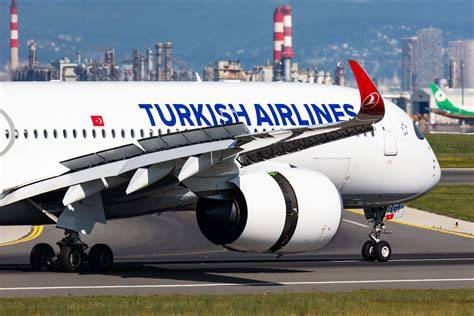
The aircraft involved was operating Turkish Airlines Flight TK30 from Newark to Istanbul. The Airbus A350-900 is one of Turkish Airlines’ long-haul widebody aircraft and regularly operates international services from the carrier’s extensive network.
The incident occurred during the departure phase, before the aircraft began its takeoff roll. At one point after entering the runway, the pilots reportedly told the tower they needed approximately 30 seconds before beginning the takeoff. That exchange further illustrates why the runway-entry distinction was operationally important: the aircraft had already reached a position from which a takeoff could potentially follow even though formal takeoff clearance had not been issued.
The tower intervened before that happened and instructed the aircraft to leave the runway.
What Happens After A Pilot Deviation?
After the A350 was clear of the runway, the pilots were given a telephone number to contact the relevant Newark ATC management personnel after completing their flight. Such a conversation can lead to a review of the circumstances surrounding an apparent pilot deviation.
Depending on the findings, the matter can remain an operational or professional review, or it can be referred to the Federal Aviation Administration (FAA) for further investigation.
Pilots may also submit an account through the NASA Aviation Safety Reporting System (ASRS). Under applicable conditions, an ASRS report can provide protections from certain FAA enforcement actions, although those protections have specific limitations and do not apply to every circumstance.
The Newark incident therefore remains a useful example of how a seemingly small difference in phraseology can become significant around an active runway. The Turkish Airlines A350 did not receive takeoff clearance, yet the aircraft entered Runway 4L after the crew interpreted the controller’s instruction differently from its apparent intent. At an airport as busy as Newark, that distinction is fundamental: approaching a runway, entering a runway, lining up, and taking off are separate operational steps, and each requires unmistakable communication.