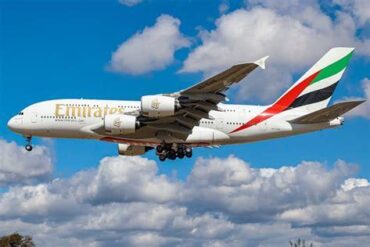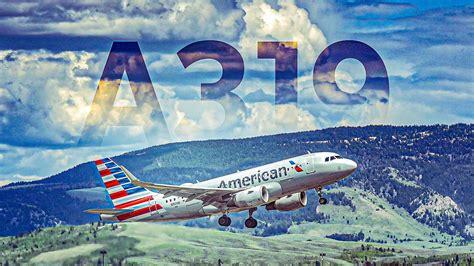
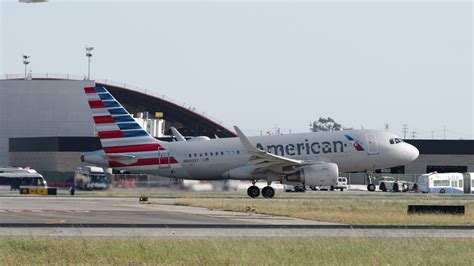
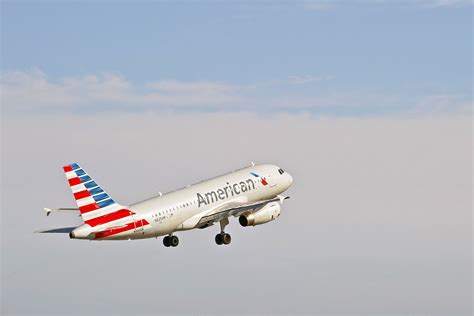
An American Airlines Airbus A319 crew and air traffic control exchanged sharp words at Hartsfield-Jackson Atlanta International Airport after the pilots asked for additional takeoff separation behind a Boeing 757.
American Airlines Flight AA1428 was scheduled to depart Atlanta for Philadelphia International Airport at 7:35 a.m. local time on Sunday, September 13. The A319 had been cleared for takeoff after the 757 ahead of it, but once lined up, the crew asked for “a little bit more time for that separation.” The request centered on wake turbulence, an invisible hazard that can become especially important when a smaller aircraft follows a larger one. The timing mattered during a managed morning departure sequence.
The controller accommodated the request, but the exchange did not end there. Because the takeoff clearance had been canceled, the A319 had to exit and subsequently re-enter the runway sequence. ATC then told the crew that if they needed more than standard separation, they should have communicated that requirement before taking the runway. The episode therefore was not simply an argument about who was right on the radio. It exposed the practical difficulty of applying standardized separation rules while allowing pilots to account for conditions they believe deserve additional caution. In a dense airport environment, that distinction can matter within seconds.
American Airlines Pilot Challenges Atlanta ATC Over Wake Turbulence Separation
The pilot responded that flight crews do not carry ATC separation manuals on the flight deck and questioned whether the clearance behind the 757 represented appropriate wake-turbulence protection under the prevailing conditions. The pilot pointed to the calm winds and argued that the crew had been cleared to depart before requesting additional spacing.
The controller viewed the matter differently. Controllers must sequence departures according to established separation requirements while managing an extraordinarily busy runway environment. A request for additional spacing can be accommodated, but communicating that need early allows the controller to build it into the sequence rather than alter it at the last moment. For passengers, the dispute was largely invisible, but for aviation professionals it illustrates how quickly a routine clearance can become a safety discussion when aircraft size, wake turbulence and runway sequencing intersect.
The disagreement became more heated when the pilot told ATC to “let us fly the airplane” and suggested that the controllers should “do your job.” ATC responded by threatening to report the pilot. Flight-tracking data indicated that AA1428 ultimately arrived in Philadelphia 14 minutes ahead of schedule, showing that the radio dispute did not create a significant delay for passengers.
Why Takeoff Separation Matters at Hartsfield-Jackson Atlanta
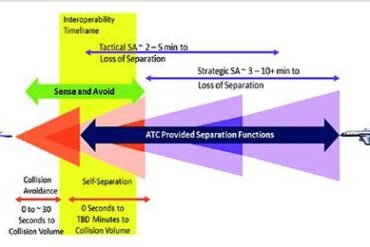
Wake turbulence separation exists because aircraft generate powerful rotating air currents behind their wings. If the following aircraft encounters strong wake at the wrong moment, it can experience abrupt changes in roll, pitch or altitude.
The A319 and 757 involved in this departure are not identical in size or operational category. According to the reference reporting, the Airbus A319 is classified as category F while the Boeing 757 is category E, placing them only one category apart in the relevant system.
Pilots nevertheless retain an important safety responsibility. Even when a controller issues a legal clearance, a flight crew does not have to accept a takeoff it believes is unsafe. ATC manages traffic separation, while pilots remain responsible for the safe operation of their aircraft. The challenge is ensuring that both sides communicate clearly enough that a concern is identified before the aircraft reaches a point where the departure sequence must be changed.
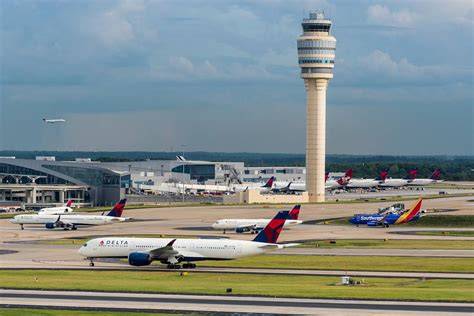
Atlanta’s Heavy Traffic Makes Precise Sequencing Essential
The setting makes the confrontation notable. Hartsfield-Jackson Atlanta is one of the world’s busiest airports and the principal hub of Delta Air Lines. Its runways handle a continuous flow of narrowbody and widebody aircraft, making precise sequencing essential.
The Atlanta-Philadelphia market is heavily contested. Current scheduling data cited in the reference material shows multiple daily departures by American Airlines, Delta Air Lines and Frontier Airlines. Delta is scheduled to operate roughly seven to nine flights each way on the route during the month, while American typically operates five or six daily rotations. Frontier adds several more departures.
That environment helps explain why the controller objected to the timing of the pilot’s request. Safety margins and operational efficiency have to coexist, and controllers balance aircraft performance, runway occupancy, wake considerations and departures waiting behind a flight. Making the request before entering the runway allows ATC to account for it without disrupting the sequence.
A Reminder That Cockpit and ATC Responsibilities Overlap
The Atlanta incident highlights a recurring tension in aviation: pilots and controllers perform different jobs, but safe departures depend on both sides understanding where those responsibilities intersect. Controllers provide clearances and maintain prescribed separation, while pilots evaluate whether the clearance can be safely executed in the actual conditions they observe.
History demonstrates why wake turbulence deserves respect. In 1972, a Delta DC-9 crashed while landing at Greater Southwest International Airport in Texas after encountering wake turbulence generated by a larger American DC-10. All four crew members were killed. Modern separation standards and procedures have evolved substantially since then, but the physical phenomenon remains.
For AA1428, the disagreement ended without an accident and apparently without a meaningful schedule disruption. Yet the exchange is a useful reminder that professional communication is itself a safety tool. A request made early, a clear explanation from ATC, and a measured response from the cockpit can prevent a routine separation question from becoming a confrontation on one of aviation’s busiest frequencies.