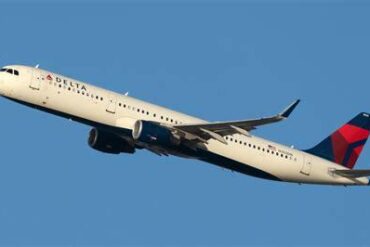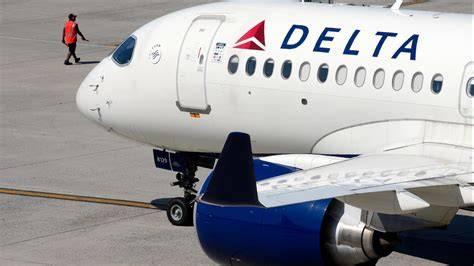
Multiple Delta Air Lines passengers required medical treatment after fumes were reported inside an Airbus A321neo flying from Maui to Seattle, forcing the crew to divert the aircraft to Honolulu. Delta Flight 394 had departed Kahului Airport (OGG) on Saturday night carrying 189 passengers when the crew encountered the unexplained cabin-fume issue while flying over the Pacific.
Rather than continue on the approximately long overwater journey to Seattle-Tacoma International Airport (SEA), the pilots followed established procedures and redirected the aircraft toward Daniel K. Inouye International Airport (HNL) in Honolulu. The aircraft landed safely, but the incident developed into a medical response after passengers reported symptoms including headaches and nausea.
The precise nature of the fumes remains unknown. Delta has not identified the substance involved or confirmed what caused it to enter the passenger cabin. Determining the source will depend on a detailed technical inspection of the A321neo, along with any additional investigation conducted by aviation authorities. The available information therefore establishes the diversion and subsequent medical response, but does not establish a specific mechanical failure.
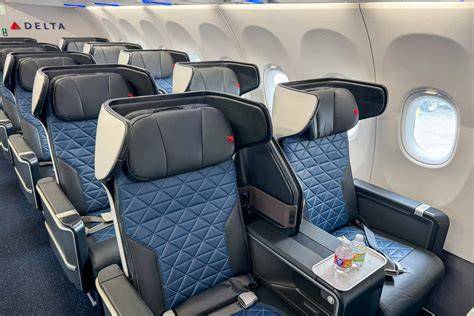
Delta Flight 394 Diverted From Maui to Honolulu
According to Delta, fumes were observed shortly after Flight 394 departed Kahului Airport while the aircraft was heading toward Seattle. Because the aircraft was operating over the Pacific, continuing the flight would have meant remaining airborne for a significant period while the source and potential effects of the fumes remained unresolved.
The crew instead diverted to Honolulu, providing access to airport facilities, emergency responders and maintenance personnel. The Delta A321neo landed safely and passengers subsequently left the aircraft using air stairs before being transported away from the airplane by bus.
The situation also presented a separate technical observation after landing. Crews saw fuel discharging from the aircraft, creating another issue for maintenance teams to examine. It has not been established whether the fuel discharge was connected to the reported fumes or represented an unrelated aircraft condition.
Passengers Taken to Emergency Room After Fume Exposure
Honolulu Emergency Medical Services responded to the airport at approximately 11 PM after passengers reported headaches and nausea associated with inhaling fumes inside the cabin. Three women, aged 42, 27 and 31, were treated at the scene and transported to an emergency room in stable condition.
The Federal Fire Department also treated and transported another patient, who was likewise reported to be stable. Delta separately stated that one flight attendant sought medical attention following the incident.
There was no indication in the available information that any of the patients suffered life-threatening injuries. Nevertheless, the fact that several people experienced symptoms made the diversion particularly important. An unexplained cabin-air event can create uncertainty for both passengers and crew, especially when the aircraft is operating far from its intended destination.
Why Cabin Fumes Can Trigger an Immediate Diversion
An aircraft can remain fully controllable during a cabin-fume event, but that does not necessarily make continuing the flight appropriate. The crew must consider the possibility that exposure could worsen, that additional occupants could become symptomatic, or that the source could involve an unresolved technical problem.
For Flight 394, Honolulu offered a practical diversion point. Once on the ground, medical personnel could assess affected passengers while maintenance crews could examine the aircraft. The decision also allowed Delta to remove the original A321neo from the scheduled operation rather than continue its journey while the circumstances remained unexplained.
The combination of reported cabin fumes, passenger symptoms and a subsequent technical inspection means the aircraft’s condition will be an important part of the investigation. Maintenance personnel will need to determine what caused the fumes and whether the observed fuel discharge was connected to the event.
Delta Arranged Another Aircraft for Seattle Passengers
The diversion meant passengers could not immediately continue their journey aboard the original aircraft. Delta said the travelers would continue to Seattle on another aircraft scheduled to depart Honolulu the following morning.
The airline also said it was issuing refunds and contacting passengers directly to apologize for the disruption. For travelers who had expected a direct overnight journey from Maui to Seattle, the diversion added a significant delay and required an overnight stay in Honolulu.
The operational impact also extends beyond the passengers. The A321neo must remain available for inspection until maintenance personnel determine whether it can safely return to service. Depending on the findings, the airline may need to perform repairs, additional testing or other maintenance actions before releasing the aircraft.
Investigation Will Focus on the Source of the Fumes
At this stage, the most important unanswered question is what caused the fumes inside the Delta A321neo. Delta has said technicians will inspect the aircraft and that the airline is reviewing the circumstances with aviation authorities.
The reported symptoms make that inspection especially significant. Investigators will need to establish the source of the cabin contamination and determine whether it originated from an aircraft system, an external source or another condition. They will also need to establish whether the fuel discharge observed after landing had any relationship to the fumes.
Until those questions are answered, the incident remains an unexplained cabin-fume event that resulted in a precautionary diversion, a substantial passenger disruption and several medical evaluations. The safe landing in Honolulu allowed responders to assist affected passengers and gave Delta the opportunity to take the aircraft out of service while its condition is assessed.