Three passengers aboard an American Airlines flight from Dallas/Fort Worth to Newark intervened after a 67-year-old traveler allegedly became violent, launched a racist and homophobic tirade, assaulted fellow passengers, and attacked a flight attendant. The confrontation escalated to the point that passengers used zip ties and duct tape to restrain the man in his seat, allowing the aircraft to continue flying safely before diverting to Baltimore.
The extraordinary incident occurred on Thursday, September 3, roughly two hours into American Airlines Flight 618, which was operating from Dallas/Fort Worth International Airport (DFW) to Newark Liberty International Airport (EWR). According to reports cited by CBS, the passenger was identified as Arthur Lundeen, 67, of Arizona.
The situation reportedly began when Lundeen started shouting and became physically aggressive toward the passenger seated beside him in the Domestic First Class cabin. What initially appeared to be a confrontation between travelers soon developed into a much more serious in-flight security incident, requiring intervention from both passengers and cabin crew.
Passengers Step In During American Airlines Flight 618 Incident
Richard Olenick and Juan Mejia, a retired New Jersey police officer, were seated approximately two rows ahead when they became aware of the escalating confrontation. Lundeen allegedly directed racial slurs toward a flight attendant and then struck a female passenger who attempted to intervene.
At that point, Olenick and Mejia, together with a third passenger, moved to restrain him. A flight attendant reportedly supplied the passengers with zip ties, which they used to secure Lundeen’s wrists. The intervention illustrates one of the difficult realities of dealing with violent behavior aboard a commercial aircraft: there is limited space, little opportunity to separate people, and no immediate access to police officers until the aircraft reaches the ground.
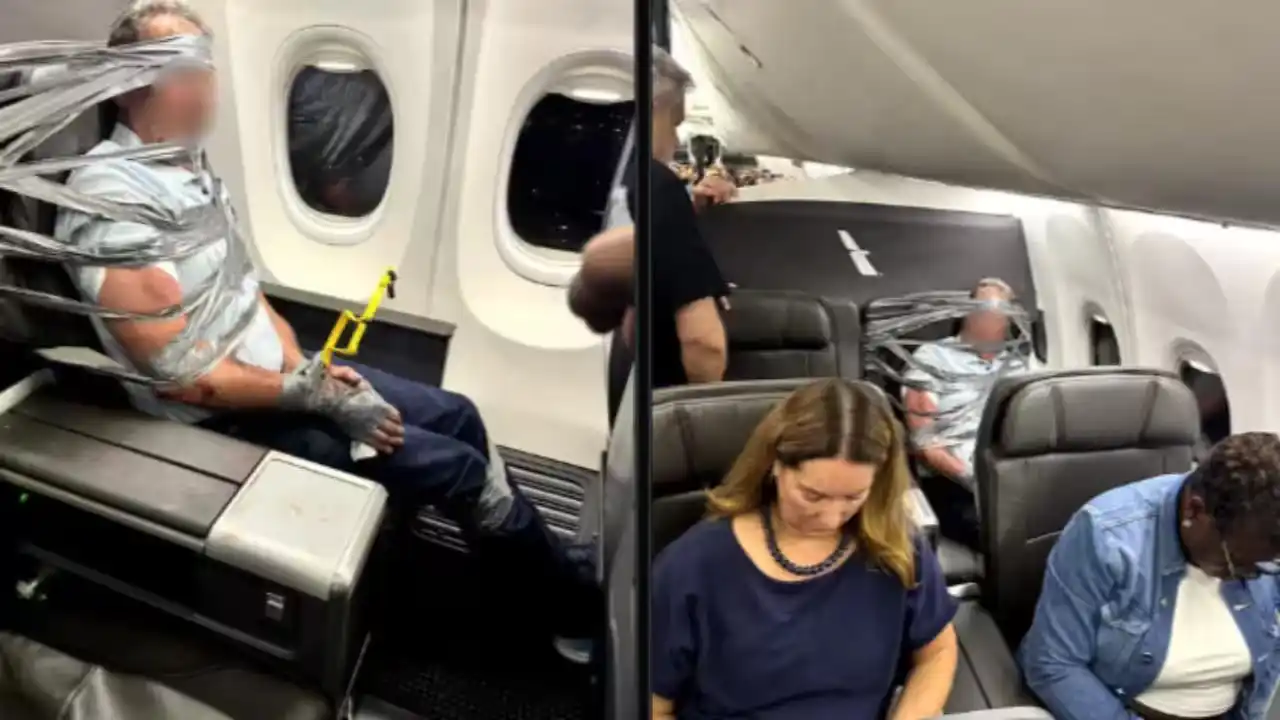
The situation became more dangerous when Lundeen allegedly bit Mejia’s hand while the passengers were attempting to restrain him. He also reportedly tried to bite Olenick. With the initial restraint no longer considered sufficient, the passengers turned to duct tape to prevent further attacks.
Why Duct Tape Was Used To Restrain the Passenger
Photographs from the aftermath showed Lundeen extensively restrained with duct tape, including several layers across his forehead that helped prevent him from moving his head toward nearby passengers. Importantly, Mejia advised leaving Lundeen’s mouth uncovered so that his breathing would not be obstructed.
The method may look extreme, but the circumstances were equally unusual. A passenger who is physically attacking people at cruising altitude can pose an immediate safety threat, while flight attendants have limited options for physically controlling someone without assistance. In this case, three passengers effectively helped create a temporary restraint system until law enforcement could take over.
The use of restraints on commercial aircraft is not unprecedented. Duct tape and other restraint equipment can be carried aboard U.S. commercial aircraft, and cabin crews receive training for dealing with passengers whose behavior presents a physical danger. Passenger assistance can also become critical, particularly when a situation develops faster than a crew can safely contain it.
American Airlines Flight Diverts To Baltimore
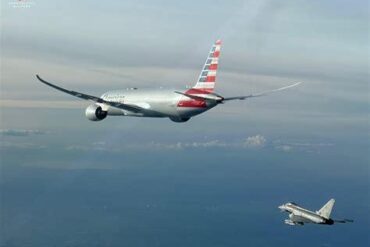
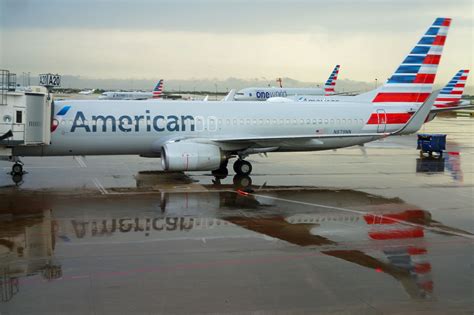
Rather than continuing directly to Newark, Flight 618 diverted to Baltimore/Washington International Thurgood Marshall Airport (BWI). The Boeing 737-800 landed safely, where Baltimore police were waiting to meet the aircraft.
Lundeen was removed from the aircraft and arrested, while the remaining passengers were eventually able to continue to Newark. American Airlines confirmed that the diversion was caused by a disruptive customer and said law enforcement assisted with removing the passenger before the flight resumed its journey.
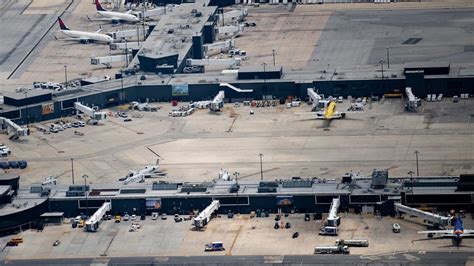
The diversion highlights how quickly a disruptive passenger can create consequences far beyond the individual confrontation. An airline must consider the safety of passengers and crew first, but a diversion can also involve additional fuel consumption, airport fees, operational disruptions, and potential delays to passengers and crew.
Unruly Passenger Incidents Remain A Serious Aviation Problem
The American Airlines incident is part of a wider pattern of unruly passenger behavior in U.S. aviation. Federal Aviation Administration data cited in the reference material recorded more than 1,160 unruly passenger reports in 2026 so far, representing several reported incidents on an average day.
While most disruptive passengers never become violent enough to require physical restraint, the more serious cases demonstrate why airlines and regulators continue to focus on onboard security. A verbal dispute can escalate rapidly when passengers are confined inside a narrow cabin thousands of feet above the ground.
The financial consequences can also be substantial. Diversions may require additional fuel, landing and handling services, and operational adjustments. If a flight crew reaches its legal duty limits, the airline may also have to arrange replacement crews or accommodation, creating further disruption.
For passengers, however, the most important issue is more immediate: maintaining safety until the aircraft can land. The events aboard Flight 618 demonstrate how cabin crew and passengers may have to work together when a traveler becomes physically dangerous.
The incident also underscores why restraint is intended as a last-resort safety measure rather than a form of punishment. In this case, the passengers reportedly restrained Lundeen only after allegations of assault and biting had escalated the threat. Leaving his mouth unobstructed while securing his head and body was another indication that the passengers were attempting to control the situation without creating an additional medical emergency.
Ultimately, American Airlines Flight 618 reached the ground safely, and law enforcement removed the disruptive passenger in Baltimore. What began as abusive behavior inside the First Class cabin ultimately forced a major change to the flight’s route, illustrating just how disruptive—and potentially dangerous—one unruly passenger can become in the confined environment of a commercial aircraft.