The F-35 Lightning II is already one of the most technologically sophisticated fighter aircraft in the United States military, but its growing collection of sensors, avionics, and mission systems is creating another engineering challenge: heat. Honeywell Aerospace believes it has a solution. Its new 40-kilowatt Power and Thermal Management System (P40) could give America’s F-35 fleet substantially greater cooling capacity without requiring a major physical redesign of the aircraft.
The company announced the P40 development on September 22, 2026, describing it as an upgrade designed specifically for the current F-35 fleet. The system increases available cooling capacity from the existing 32-kilowatt limit to 40 kilowatts, allowing the aircraft to remove more excess heat generated by increasingly demanding onboard equipment. Honeywell says the improvement combines software changes with highly targeted enhancements to the aircraft’s liquid-cooling system rather than requiring an extensive reconstruction of existing jets.
That approach could be particularly important for a fleet as large and complex as America’s F-35 force. A major hardware modification across hundreds of aircraft would require significant downtime, maintenance resources, and installation costs. Honeywell instead expects the P40 upgrade could begin reaching operational aircraft around 2029 or 2030, assuming development and adoption proceed as planned.
Why the F-35 Needs More Cooling Capacity
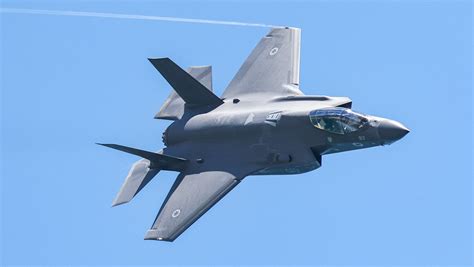
The cooling challenge comes from the same technological sophistication that gives the F-35 much of its combat capability. Modern fighter aircraft rely on powerful computers, sensors, electronic systems, communications equipment, and other energy-intensive technologies, all of which generate heat. As these systems become more capable, the aircraft’s thermal-management requirements increase as well.
Honeywell argues that the existing cooling capacity has not kept pace with the growing demand. In particular, additional heat loads inside the F-35 cockpit and mission systems can place greater pressure on thermal-management equipment. If the aircraft cannot remove heat quickly enough, individual systems may face overheating problems or potentially shut down during flight.
The proposed P40 system is therefore about more than simply making an aircraft cooler. Honeywell says increased cooling capacity could reduce the risk of overheating-related shutdowns, improve system reliability, and potentially reduce maintenance demands associated with returning affected aircraft to operational status.
P40 Could Create Room for Future F-35 Upgrades
Another important aspect of the Honeywell proposal is its potential to provide additional thermal headroom for future technology. The company sees 40 kilowatts as an intermediate step, with future development potentially pushing F-35 cooling capacity toward 62 kilowatts or beyond.
That additional capacity could become increasingly valuable as new electronics and mission technologies are introduced. Instead of repeatedly redesigning the thermal-management architecture whenever onboard systems become more demanding, a larger cooling margin could give the aircraft greater flexibility for future upgrades.
The relatively limited physical changes envisioned for P40 could also make fleet-wide implementation more practical. If the system can deliver the promised improvement without extensive modification, the U.S. military could potentially upgrade existing aircraft while minimizing disruption to fleet availability.
For now, however, the P40 remains a proposed future enhancement rather than an operational capability. Honeywell’s performance claims will need to be demonstrated through further development, testing, and eventual fleet integration. If those claims hold up, the F-35’s cooling system could become an important enabler for the fighter’s next generation of technology, helping the aircraft manage the heat generated by an increasingly sophisticated combat architecture.