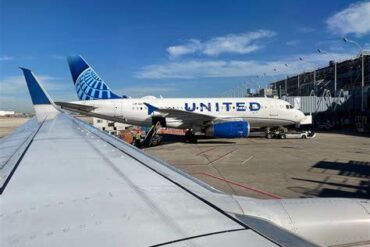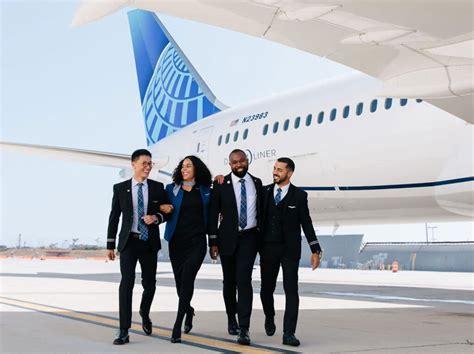
United Airlines has reportedly terminated several senior flight attendants following an internal investigation into allegations that they accepted payments from junior colleagues in exchange for highly desirable flight assignments. The case has attracted attention across the aviation industry because it involves the misuse of a system designed to provide scheduling flexibility, not personal financial gain.
Trip trading is a common and important part of airline operations. Flight attendants at major carriers regularly exchange assignments through approved scheduling platforms to manage personal commitments, improve work-life balance, or adjust their monthly rosters. However, United’s policies prohibit employees from turning those schedule changes into a private business arrangement by accepting money for desirable trips.
The reported disciplinary action highlights how valuable certain flight assignments have become as airlines expand international operations. Senior crew members typically have greater access to premium schedules because airlines use seniority-based bidding systems that reward experienced employees with more choices.
Why United Airlines Fired Senior Flight Attendants Over Trip Trading
According to reports, several veteran United flight attendants allegedly used their seniority status to secure attractive international pairings before transferring those assignments to junior employees in exchange for compensation. While the exact number of employees involved has not been publicly confirmed, the airline’s response demonstrates the seriousness with which it views violations of scheduling rules.
At United, seniority plays a major role in determining which employees can select premium routes. Long-haul international flights often provide higher trip credits, longer overseas layovers, and opportunities to visit destinations that are especially desirable among cabin crew members.
The airline’s Inflight Policies and Procedures Manual reportedly makes clear that employees may exchange trips through authorized channels but cannot receive payment or other financial benefits from those transactions. Violations of these rules can result in significant discipline, including termination.
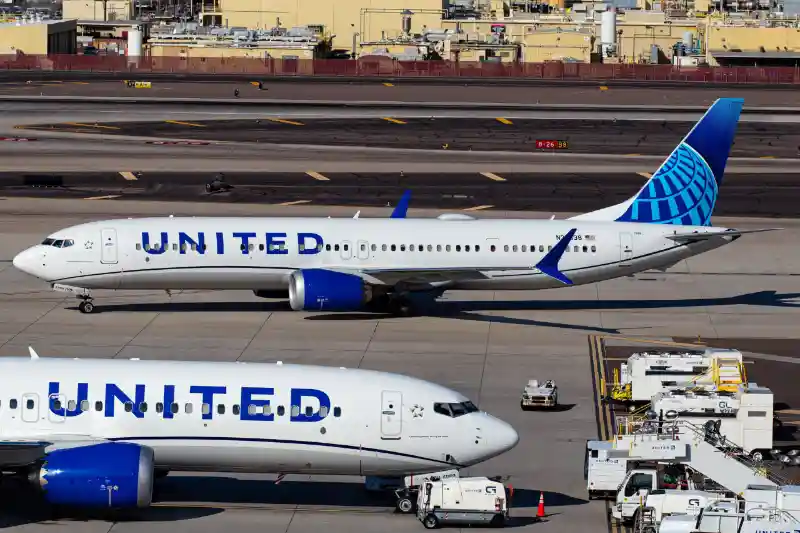
The controversy comes at a time when United continues strengthening its global network. The carrier has expanded service across Europe, Asia, the Middle East, and the Pacific, creating strong demand for international pairings that many flight attendants consider among the most valuable assignments available.
How Flight Attendant Trip Trading Works Across Major Airlines
Crew scheduling is one of the most complex operational systems in commercial aviation. After monthly schedules are published, flight attendants may use airline-approved platforms to trade trips with other qualified employees. These systems automatically check important requirements, including staffing levels, rest periods, and regulatory limits.
The purpose of trip trading is to give employees flexibility without disrupting airline operations. A flight attendant who needs time away for personal reasons can exchange a trip, while another employee can voluntarily accept an assignment that fits their preferences.
However, the system depends heavily on trust and fairness. If employees with higher seniority begin controlling desirable schedules and selling access to those trips, junior employees may lose equal opportunities to participate in the bidding process.
International flights are especially attractive because they often involve multi-day rotations. A European, Asian, or South Pacific pairing may provide more credited flying hours and extended layovers compared with shorter domestic routes. These factors can make certain assignments significantly more competitive.
The reported investigation also brings attention to similar scheduling concerns that have appeared throughout the airline industry. Practices such as “trip parking,” where employees hold desirable assignments for others, have previously been challenged because they can undermine seniority systems and collectively negotiated workplace rules.
Flight Attendant Union Responds To United Investigation
The Association of Flight Attendants (AFA) acknowledged the situation and called for a fair investigation process before disciplinary decisions are finalized. The union emphasized that allegations must be supported by facts and that employees should receive appropriate due process.
Labor organizations representing airline employees often focus on ensuring that company investigations follow established procedures. At the same time, unions and airlines generally recognize that maintaining the integrity of scheduling systems is essential for workplace fairness.
The issue is particularly significant because United flight attendants recently approved a major new labor agreement covering more than 28,000 cabin crew members. The contract included substantial pay increases, improved scheduling provisions, and other quality-of-life enhancements after years of negotiations.
Despite those improvements, the agreement did not change the airline’s longstanding rule against receiving personal compensation for trip exchanges. The distinction remains clear: employees can trade schedules, but they cannot sell access to assignments.
What The Investigation Means For United’s Future Operations
The reported terminations come as United continues one of the most aggressive international growth strategies among US airlines. The carrier operates thousands of flights daily and relies on complex crew scheduling systems to keep global operations running smoothly.
With more than 4,500 daily flights during peak periods, United must coordinate thousands of pilots and flight attendants while meeting strict safety and regulatory requirements. Maintaining confidence in scheduling procedures is therefore critical for both employees and management.
Premium international routes are likely to remain highly competitive as United expands its worldwide network. As demand for long-haul travel grows, desirable assignments will continue carrying significant value among flight crews.
The case serves as a reminder that airline scheduling systems depend on fairness, transparency, and employee trust. While trip trading remains an important benefit for flight attendants, turning those exchanges into private financial transactions can threaten the balance that allows seniority-based systems to function effectively.
For United Airlines, the investigation reinforces a broader message: flexibility within crew scheduling is encouraged, but protecting the integrity of the system remains a top operational priority.